Banana Cake with Cream Cheese Frosting (Easy & Super Moist)
🎁 FREE E-BOOK: 12 Sweet Favorites — reader-loved desserts in one beautiful recipe book.
Banana cake with cream cheese frosting brings together a soft, buttery crumb and a smooth, gently tangy finish. Very ripe bananas give the cake its rounded sweetness and little natural flecks, while shallow swirls of ivory frosting make each square feel generous without needing any extra decoration.

A few very ripe bananas on the counter can be the beginning of a lovely afternoon bake. This banana cake is for the simple pleasure of cutting a square, putting the kettle on, and setting out another plate for someone who wants a slice.
The details worth keeping are the measured banana, the visible batter cues, and the time allowed for the center to cool before frosting. Together, they give you something more useful than a baking time alone: clear places to pause and check the banana cake as it comes together.
Banana Cake at a Glance
This banana cake bakes as one rectangular layer in a light-colored metal 9 x 13 x 2 inch pan and makes 12 generous frosted pieces. Allow about 3 hours 10 minutes from ready-to-mix ingredients to a finished cake, including the cooling time that protects the cream cheese topping.
| Detail | What to plan for |
|---|---|
| Recipe type | Single-layer banana cake with cream cheese frosting; dessert. |
| Method | Creamed-butter batter, conventional oven baking and a separately mixed frosting spread over the cooled cake. |
| Difficulty | Moderate: basic mixer work, with attention to ingredient temperature, final mixing and complete cooling. No layering or piping. |
| Active prep time | About 35 minutes: 25 for the batter and 10 for making and spreading the frosting. |
| Bake time | About 35 minutes; allow 30–40 minutes and begin checking the center at 30 minutes. |
| Cooling time | Usually 2–3 hours in the pan; the center must no longer feel warm before frosting. |
| Total time | About 3 hours 10 minutes using a 35-minute bake and 2-hour cooling period. Actual elapsed time may be about 3 hours 5 minutes to 4 hours 15 minutes. |
| Yield | 12 generous frosted pieces, cut in a 3 x 4 grid. |
| Pan | One light-colored metal 9 x 13 x 2 inch pan, approximately 23 x 33 x 5 cm. |
| Oven | 350°F (175°C), conventional oven, center rack. |
| Texture and flavor | Moist, soft banana crumb with small fruit flecks, buttery vanilla flavor and a creamy, gently tangy top. |
| Make ahead | Bake one day ahead, cool completely and refrigerate covered. Frosting can be made separately up to 24 hours ahead and refrigerated. |
| Storage | Keep the frosted banana cake covered in the refrigerator at 40°F (4°C) or below for 3–4 days; best texture within 3 days. |
| Freezing | Freeze the cooled, unfrosted cake, well wrapped, for up to 2 months for quality. Thaw wrapped in the refrigerator overnight before frosting. |
If the cake ingredients start refrigerator-cold, allow another 30–60 minutes for them to reach the readiness described below. Optional chilling for firmer frosting or cleaner slices adds time, too.
The result is a soft banana cake served in frosted squares. If you want a loaf to slice for breakfast, Banana Bread offers that format with the same ripe-banana starting point.
Why This Banana Cake Recipe Works
The aim is a moist banana cake with a soft, sliceable crumb and a frosting layer that stays distinct on top. Measured fruit, an aerated butter base and a thick dairy batter support that result, while the cream cheese finish adds tang without covering up the banana flavor.
- Banana flavor with a controlled amount of moisture: 1 1/2 cups (340 g) mashed banana gives the fruit a defined place alongside 300 g flour. Measuring after mashing avoids the variation hidden in a banana count, where several unusually large fruits can add enough moisture to weigh down the center.
- Richness with some lift: butter and full-fat sour cream contribute a tender, rich crumb, while creaming the butter and sugar introduces air before the heavier fruit goes in. The combination supports a softly aerated banana cake; it avoids relying on extra banana alone to make the crumb feel moist.
- A batter that holds its fruit evenly: the sour cream makes a thick, scoopable mixture with fine banana flecks. Adding the dry ingredients in portions and finishing gently brings that mixture together without the prolonged final beating that can turn a tender banana cake tough.
- A creamy topping with enough body to spread: full-fat brick cream cheese, butter and the stated powdered sugar give the frosting its soft ridges. Spreadable tub cheese or a large sugar reduction can loosen that finish, so both the product choice and the amount matter to how the topping sits on a cut square.
- Two textures that remain distinct: complete cooling protects the boundary between the banana crumb and the cream cheese layer. Spreading the frosting over a warm center can flatten the swirls and let the topping sink into the cake; waiting preserves the contrast that makes this finish appealing.
Why You’ll Love This Frosted Banana Cake
Choose this banana cake when you want a frosted dessert to share without assembling a layer cake. It suits a relaxed baking day or advance preparation: the hands-on work is about 35 minutes, but the cake needs a generous cooling window before you can finish it.
- One pan from baking to serving: the banana cake cools, receives its frosting and is cut in the same rectangular pan. You do not need to turn out a delicate cake, trim layers or transfer a fully frosted dessert to a stand.
- A finish that needs no piping skills: an offset spatula or the back of a spoon makes the shallow cream cheese swirls. That keeps decorating approachable even if you enjoy baking more than detailed cake work.
- A useful size for sharing: twelve generous squares suit a family meal, a coffee gathering or a small celebration. The pan format also makes it simple to cut only the pieces you need and keep the rest covered in the refrigerator.
- A workable day-ahead option: you can bake the banana cake the day before serving, refrigerate it after cooling and finish it the next day. The frosting can also be made separately up to 24 hours ahead, giving you a choice about when to do the remaining mixer work.
- A use for very ripe fresh bananas: this banana cake suits the spotted, soft fruit already waiting on the counter. The shopping list calls for familiar baking ingredients, with full-fat sour cream and brick cream cheese as the two dairy products to check before starting.
- An unfrosted freezer option: if you want to bake further ahead, the cooled cake can be wrapped and frozen for up to two months for quality. Thaw it overnight in the refrigerator and add the cream cheese finish afterward, leaving the decorating for the day you plan to serve it.
The Science Behind a Tender Banana Crumb
A tender banana cake crumb depends on more than adding moisture. Air introduced before the flour, a controlled amount of fruit, and gentle final mixing help the batter rise and set; cooling then lets the frosting remain a distinct creamy layer.
Air Pockets from Creamed Butter
Creaming distributes small air pockets through the butter as the sugar is beaten in. Those pockets give the leavening gases places to expand during baking, which matters in a banana cake batter carrying mashed fruit and sour cream. Butter that is cool-soft can hold air while it is worked; partly melted butter is too fluid to do that well.
The useful change is a paler, lighter mixture with soft ridges. Some sugar grains can remain because creaming is not the same as dissolving all the sugar. Beating until every grain disappears can warm the butter without improving its ability to hold air, so the appearance of the mixture matters more than an extra minute on the mixer.
Why the Banana Weight Matters
Banana brings water and fruit solids into a batter whose flour and eggs must set around them. Adding more fruit increases that load without increasing the ingredients that support it. A softer raw batter is therefore not a reliable route to a more tender finished banana cake; excess fruit can leave a heavy, gummy middle.
The 1 1/2 cups (340 g) measurement controls that variable after the bananas have been peeled and mashed. Ripeness and banana size can still vary, but weighing the usable mash prevents a large extra banana from quietly changing the balance. Small fruit flecks are part of the intended crumb; large unmashed pieces are a different starting point.
Flour Mixing and Tenderness
When flour is moistened and mixed, its proteins begin forming gluten, which contributes structure. This banana cake needs enough structure to hold its fruit, but continued beating after the flour is incorporated can make the crumb tougher. The objective is even distribution of the flour, not a completely featureless batter.
Alternating the dry mixture with sour cream lets the ingredients combine in manageable portions. Finishing with a spatula also reaches flour caught at the bottom of the bowl without giving the whole batter more mixer time. Fine banana flecks can remain once the dry streaks have disappeared.
A Cool Surface for Cream Cheese Frosting
A banana cake loses heat from its exposed surfaces before the center has finished cooling. The top can feel ready while the middle still holds enough warmth to soften the butter and cream cheese in the frosting. That is why a cooling time alone, or a touch at the edge of the pan, cannot settle the decision.
Checking the central crumb with a clean metal skewer makes the hidden warmth easier to notice. The topping should meet a cake with no remaining warmth, so it stays as a distinct creamy layer. Briefly chilling a finished cake can firm its surface, but it cannot undo frosting that has already melted into warm crumb.
Ingredients for Banana Cake and Cream Cheese Frosting
The cake and frosting use separate amounts of butter, vanilla and salt, so measure each group on its own. Mash the bananas before measuring them, and choose full-fat sour cream for the cake and full-fat brick-style cream cheese for the finish.

Ingredient List
Use the amounts below for one 9 x 13 inch banana cake with frosting on top. The weights are especially helpful for mashed banana, flour and powdered sugar, where the way a measuring cup is filled can change the amount.
For the Banana Cake
- 1 1/2 cups (340 g) mashed very ripe banana, measured after peeling and mashing; usually 3 large or 4 medium bananas, but count is not the measure.
- 2 1/2 cups (300 g) all-purpose flour, spooned and leveled.
- 1 1/2 teaspoons (6 g) double-acting baking powder.
- 1/2 teaspoon (about 3 g) baking soda.
- 1/2 teaspoon (3 g) fine salt.
- 3/4 cup (170 g) unsalted butter, softened but still cool, approximately 65-68 F / 18-20 C.
- 1 1/4 cups (250 g) granulated sugar.
- 3 large eggs (about 150 g without shells), at cool room temperature.
- 2 teaspoons (10 ml) pure vanilla extract.
- 3/4 cup (170 g) full-fat sour cream, approximately 18-20% fat, at cool room temperature.
For the Cream Cheese Frosting
- 1/2 cup (113 g) unsalted butter, softened but not greasy.
- 8 ounces (227 g) full-fat brick-style cream cheese, softened just enough to blend smoothly.
- 3 cups (340 g) confectioners’ sugar, measured before sifting, then sifted if lumpy.
- 1 teaspoon (5 ml) pure vanilla extract.
- 1/8 teaspoon (about 0.75 g) fine salt.
Choosing and Measuring Ripe Bananas
For this banana cake, use fresh, very ripe bananas with well-spotted skins and soft flesh that mashes easily. Peel and mash them first, then measure 1 1/2 cups (340 g). Three large or four medium bananas is only a shopping estimate; save any surplus for another bake instead of adding it to this batter.
Fresh fruit is the recommended choice here. Thawed bananas can release liquid, so their weight and consistency need different handling; do not treat them as a direct swap for the fresh mashed banana in this recipe.
Measuring Flour and Preparing the Cake Ingredients
For the banana cake batter, use all-purpose flour, measured to 300 g, and keep the baking powder and baking soda as two separate ingredients. If measuring flour by volume, spoon it into the cup and level the surface; scooping directly from a compacted bag can add more flour than the cup measure suggests.
The double-acting baking powder and the smaller amount of baking soda have separate roles in this sour-cream batter. Replacing one with the other or adding an extra spoonful to solve a heavy cake changes the leavening balance. Check the measures first, then use the mixing and doneness cues to investigate a dense result.
Set aside the cake butter, eggs and sour cream together so they are ready for mixing, but keep the frosting dairy refrigerated until later. Cool-soft butter should hold its shape when indented. Refrigerator-hard butter will be difficult to cream, while oily or partly melted butter has gone beyond the intended starting texture.
Sour Cream and the Yogurt Option
Full-fat sour cream gives the banana cake richness as well as moisture. Plain, full-fat Greek yogurt is the closest option if you need a replacement: use 3/4 cup (170 g), and expect some difference in tang and tenderness. Thin, drinkable yogurt and fat-free products are not equivalent choices.
Choose plain sour cream at about 18–20% fat and let the measured portion lose its refrigerator chill before mixing. The batter is meant to be thick, so there is no milk or water addition to make it pour. If using the Greek yogurt option, keep the same amount and judge the finished batter by the same thick, scoopable appearance.
Brick Cream Cheese and Powdered Sugar
Choose full-fat brick-style cream cheese, not whipped cream cheese or a spreadable tub product. Their softer texture can make the banana cake frosting loose. Measure the powdered sugar before sifting, and keep the full 3 cups (340 g); it contributes to the frosting’s consistency as well as its sweetness.
Read the product description as well as the fat level: a full-fat spread can still be formulated for a softer texture than a brick. If only a spreadable product is available, do not assume the same weight will give the same frosting. For the powdered sugar, weigh or measure first and sift afterward if it is lumpy, so the sifted volume does not become a second measurement.

Tools for a 9×13 Banana Cake
A light-colored metal pan and an electric mixer are the main tools for this banana cake. Have the measuring, mixing and cooling tools ready before beginning, including a way to check the center rather than judging only the edges.
- Baking pan and preparation: one light-colored metal 9 x 13 x 2 inch pan, parchment paper, nonstick baking spray as needed, and a conventional oven with a center rack.
- Measuring and fruit preparation: a kitchen scale, US measuring cups and spoons, plus a small bowl and fork for mashing the banana.
- Mixing: a hand mixer with beaters or a stand mixer with a paddle attachment, a large mixing bowl, a medium bowl for dry ingredients, a whisk and a flexible spatula.
- Baking and cooling checks: a wire rack, wooden skewer or toothpick for doneness, a clean metal skewer for checking central warmth, an optional oven thermometer, and foil if the top browns before the center sets.
- Frosting and serving: a clean mixing bowl and mixer, a sieve if the sugar is lumpy, an offset spatula or the back of a spoon, a knife, and covered refrigerator-safe storage.
Use a pan at least 2 inches deep, with the batter below two-thirds of its height. Glass, ceramic, dark metal and Bundt pans handle heat differently, so the bake window here should not be carried over to them unchanged.
The wooden tester and metal skewer serve different checks: the wooden one helps you see wet batter or moist crumbs, while the metal one helps you notice warmth remaining after cooling. Keep the pan on a rack for the cooling stage, and choose a storage cover tall enough to clear the finished frosting swirls.
Before You Mix the Banana Batter
Settle the pan, fruit measurement and ingredient temperatures before you begin mixing. The banana cake also needs a clear cooling window, so keep the frosting ingredients refrigerated until it is nearly time to use them.
- Check the pan before measuring: use the specified light-metal 9 x 13 inch pan at least 2 inches deep. A similar-looking shallow tray or a smaller pan changes the depth of batter and the baking behavior.
- Separate cake and frosting measures: both components contain butter, vanilla and salt, but in different quantities. Measure them as separate groups, and weigh the banana only after peeling and mashing.
- Check readiness by feel: the cake butter should indent without looking greasy, and the eggs and sour cream should no longer be refrigerator-cold. Start only when the cake ingredients are ready; the initial tempering time is additional to the base total.
- Identify both leaveners: have the measured double-acting baking powder and baking soda ready in separate amounts. Neither extra banana nor extra leavener is part of the planned batter.
- Leave a clear cooling window: allow 2–3 hours after baking before the frosting stage. Keep the frosting butter and cream cheese refrigerated until the cake is nearly cool, rather than setting all the dairy out at the start.
What to Expect from This Banana Cake Batter
This banana cake batter is thick and scoopable, with fine banana flecks rather than a completely smooth, pourable texture. A slightly curdled appearance after the fruit goes in can also be normal and does not mean the mixture needs prolonged beating.
- After the fruit goes in: the butter mixture can look slightly curdled or finely grainy, even with the banana distributed throughout it. It does not need the smooth appearance of the earlier creamed butter at this stage.
- After the flour and sour cream: the batter is substantial enough to scoop into the pan. It spreads with a spatula and holds soft ridges, with small banana flecks visible through it.
- After baking and cooling: the cake is one rectangular layer with a soft, fruit-flecked crumb. It is not intended to have the height or uniform, pale interior of a stacked vanilla cake.
- After frosting: the top carries a creamy ivory layer with shallow waves. The finish is soft enough to eat with the cake, while holding the marks of a spoon or spatula; it is not a pourable glaze or a stiff piping frosting.
How to Make Banana Cake with Cream Cheese Frosting
Make the banana batter, bake until the center is set, and allow the cake to cool completely before preparing the frosting. This order keeps the dairy out of the kitchen heat while the cake cools and gives the topping a cool surface to settle onto.
1. Prepare the Pan and Ingredients
Heat a conventional oven to 350°F (175°C), with a rack in the center. Allow about 20 minutes for preheating while you prepare the batter. Lightly coat the 9 x 13 x 2 inch metal pan with nonstick baking spray and line the bottom with parchment, smoothing it flat.
Start with cool-soft cake butter, approximately 65–68°F (18–20°C), and eggs and sour cream that are no longer refrigerator-cold. Leave the frosting butter and cream cheese refrigerated until the cake is approaching cool.
What you should see: The cake butter takes a fingertip indentation while holding its shape. It should not have an oily surface or a partly melted edge.
2. Mash the Bananas and Whisk the Dry Ingredients
Mash the peeled bananas with a fork in a small bowl, then measure 1 1/2 cups (340 g). Press any large pieces against the side of the bowl; small soft flecks can remain. In a medium bowl, whisk the flour, baking powder, baking soda and fine salt together for about 30 seconds, reaching into the bottom and sides to distribute the small amounts of leavener.
What you should see: The banana is a thick mash with small pieces, and the dry mixture has no obvious pockets of leavener or salt.

3. Cream the Butter and Sugar
In a large bowl, beat the 3/4 cup (170 g) butter for the banana cake and the granulated sugar with a hand mixer or a stand mixer fitted with a paddle. Mix on medium speed for about 3–4 minutes, stopping to scrape the bowl halfway through and again at the end. Bring the heavier butter from the sides back into the mixture so the whole bowl becomes paler and visibly lighter.
What you should see: The mixture looks aerated and holds soft ridges. Fine sugar grains can remain; a greasy sheen means the butter is getting too warm.
BDV Tip: If the butter begins to look oily, stop and let the mixture cool briefly before continuing. More beating will not correct butter that is too warm to hold air.

4. Add the Eggs, Vanilla and Banana
Beat in the eggs one at a time on medium-low speed, allowing about 20–30 seconds for each addition. Scrape the bowl after the second and third eggs. Mix in the 2 teaspoons (10 ml) cake vanilla, then add the measured banana on low speed just until distributed.
Let each egg blend into the butter mixture before adding the next. Scrape any thicker mixture from the lower sides of the bowl, where it can remain untouched even when the surface looks combined. For this banana cake, after the banana goes in, use even distribution rather than a perfectly smooth appearance as the stopping point.
What you should see: The ingredients are evenly combined, although the fruit mixture may look slightly curdled. There is no need to keep beating it on high speed to force a perfectly smooth appearance.
5. Finish the Banana Cake Batter
On low speed, add the dry mixture in three portions, alternating with the sour cream in two portions. Begin and end with the dry ingredients. Let each addition become mostly incorporated before adding the next, then finish with a few folds by hand, scraping the bottom of the bowl.
The order is dry mixture, sour cream, dry mixture, sour cream, then the remaining dry mixture. For the final folds, sweep the spatula along the bottom and lift the banana cake batter over itself, turning the bowl to check for hidden flour. Once those dry pockets are gone, the remaining banana flecks do not need more mixing.
What you should see: The batter is thick, scoopable and flecked with banana. Stop when the last dry flour pocket disappears; there should be no free liquid or long elastic strands.

6. Fill the Pan and Bake
Transfer all the banana cake batter to the prepared pan and spread it evenly into the corners. Bake immediately for about 30–40 minutes, starting your checks at 30 minutes. If the center is still wet, continue in 3–5 minute intervals. Loosely cover the top with foil only if it is browning before the middle is ready.
Level the batter across the pan so the center is not left as a high mound with a thin layer at the corners. The thick mixture needs spreading; it will not settle into an even layer as readily as a pourable batter. Keep the surface below two-thirds of the pan’s height.

What you should see: The center is set without a fluid ripple and springs back gently when touched. A skewer inserted into the central crumb comes out clean or with a few moist crumbs, not glossy raw batter. The edges should be lightly golden and may just begin to release from the pan.
Use these center checks together. Waiting for a completely dry skewer after the middle is already set can leave the outer pieces dry.

7. Cool the Cake Completely
Set the pan uncovered on a wire rack and leave the banana cake in the pan for frosting and serving. Allow about 2–3 hours for cooling. Before frosting, check the center as well as the top: a clean metal skewer left briefly in the central crumb should no longer come out warm.
In a warm kitchen, you can move the pan to the refrigerator after about 45 minutes on the rack, using a heat-safe shelf. The remaining cooling time will vary, so keep the center’s temperature as the deciding cue.
What you should see: The cake has no remaining warmth that could soften the frosting. Cool edges alone are not enough.
I once spread cream cheese frosting over a banana cake that still felt slightly warm in the center. The swirls softened and began to flatten before I had finished spreading them. Now I check the middle of the cake, not just the edges, before reaching for the frosting. That little bit of patience helps keep the creamy topping where it belongs.

8. Make the Cream Cheese Frosting
Near the end of cooling, let the frosting butter and cream cheese soften just enough to blend, usually about 20–30 minutes depending on the room. Beat the 1/2 cup (113 g) frosting butter on medium speed for about 1 minute until smooth. Add the cream cheese and mix on medium-low for 30–60 seconds, scraping once.
For smooth banana cake frosting, check that the butter and cheese are blended before the sugar goes in. Scrape the bowl and inspect a small smear on the spatula for pale lumps. The aim at this point is a blended base, not a larger or fluffier bowlful; if the dairy is still too cold to blend, it needs a little more softening rather than prolonged high-speed beating.
Add the powdered sugar in two additions on low speed, followed by the frosting vanilla and salt. Mix on medium-low only until creamy, about 30–60 seconds more after incorporation. Do not add milk or continue beating simply to increase the volume.
What you should see: The frosting is thick and spreadable, with soft ridges that hold briefly. It should have no cream cheese lumps, pools of liquid or greasy sheen.
If warmth has made the frosting soft, refrigerate it for 15–20 minutes, then stir gently and reassess. This extra chilling time is optional and is not included in the base total.

9. Frost and Slice the Cake
Spread all the frosting over the completely cooled top, making shallow waves with an offset spatula or the back of a spoon. Cut the banana cake into a 3 x 4 grid for 12 pieces, wiping the knife between cuts. For a firmer surface and cleaner cutting, you can refrigerate the frosted cake for about 20 minutes first.
Distribute the frosting across the surface before drawing it into gentle swirls, so one area does not end up piled high while another is bare. Use light pressure and keep the spatula within the frosting layer instead of digging into the cake. Make the final cuts through both topping and crumb, clearing the knife before the next line.
What you should see: The frosting sits above the crumb in a distinct layer, without melting into the cake or running off the surface.
Refrigerate promptly if you are not serving the cake immediately. Keep any serving or decorating time within the cold-storage limits below.

How to Recognize a Properly Baked Banana Cake
A properly baked banana cake has a set center that springs back gently, while a skewer can still carry a few moist crumbs. The important difference is between tender cake clinging to the skewer and glossy batter that has not set.
Moist Crumbs or Wet Batter?
Moist crumbs are small pieces of banana cake, while wet batter looks glossy and smears onto the skewer. Combine that observation with the center’s movement and springback rather than judging by the golden edge alone.
Begin checking at 30 minutes and aim the skewer into the central crumb, away from the faster-baking edge. A clean result near the side cannot tell you that the middle is ready. If a reading is unclear, check another spot close to the center and look at the surface movement as well: a fluid ripple and a glossy smear point to more baking.
| What you notice | What it means | What to do |
|---|---|---|
| A few moist crumbs; set, gently springy center | The cake can be ready even though the skewer is not bone-dry. | Remove it from the oven and begin cooling. |
| Glossy batter or a fluid ripple in the center | The middle needs more baking. | Continue in 3–5 minute intervals, checking the center again. |
| Golden edges but a wet center | The outside has browned ahead of the middle. | Tent loosely with foil if needed and continue baking. |
| A translucent, paste-like band after complete cooling | This is different from a normally moist crumb. | Check fruit quantity, mixing and doneness before the next batch; frosting cannot repair the center. |
Once the center is set and the skewer carries only a few moist crumbs, remove the pan to the rack. The banana cake will continue to lose heat and firm as it cools, but that cooling stage is not a substitute for baking a visibly wet center. Waiting in the oven for every trace of moisture to disappear can dry the outer pieces before improving the middle.

Three Checks for a Tender Banana Crumb
The banana measurement, the mixed batter and the baked center tell you different things. A good result at one stage cannot replace the next check: correctly weighed fruit still needs gentle mixing, and thick batter still needs enough oven time to set.
| Checkpoint | Useful evidence | What that check cannot tell you |
|---|---|---|
| Mashed fruit | 1 1/2 cups (340 g), measured after mashing. | Fruit quantity alone does not prove the cake is baked. |
| Finished batter | Thick and scoopable, with fine banana flecks and no dry pockets. | Batter consistency cannot predict one exact baking time. |
| Central crumb | Set and gently springy, with no glossy batter on the skewer. | A baked center still needs to cool before it can support the frosting. |
For a heavy banana cake slice, work backward through these observations. If the banana amount was correct and the batter was thick with no dry pockets, consider the aeration and center checks before assuming that more flour or baking powder is needed. If the fruit was never measured, that is a useful variable to correct before changing any ingredient amounts.
Small Details for Better Banana Cake Texture
Small visual differences can help you decide whether the batter needs another fold or the frosting needs any more mixing. Read the ingredient marks and the texture in front of you rather than assuming a smoother or larger mixture must be better.
- Flecks are not flour pockets. A banana fleck looks moist and has the fruit’s color; a flour pocket leaves a pale, dry-looking streak when exposed by the spatula. Check the banana cake batter brought up from the bottom, where unmixed flour can hide beneath an otherwise uniform surface. Fold enough to clear those pockets, then leave the harmless fruit marks alone. This separates incomplete mixing from a normal speckled appearance.
- Ridges matter more than volume. Draw the spatula through the banana cake frosting and watch the trail. A smooth ridge that holds briefly is useful evidence of a spreadable finish, even if the frosting has not increased much in volume. A trail that immediately flows flat points to softness, not a need for more whipping. If warmth is the cause, the short chilling step is more useful than continuing to run the mixer.
- Judge the crumb at serving temperature. Butter firms in the refrigerator, so a cold piece can feel more solid without being dry from overbaking. Let one banana cake slice soften for the usual 15–20 minute serving window before judging the whole batch. If its texture becomes more yielding, chilling was part of what you noticed; persistently dry, crumbly outer edges point toward a different issue. Keep that brief tempering time within the cumulative unrefrigerated limit.
Banana Cake Problems and Practical Fixes
A heavy center or loose frosting can have more than one cause. Match the symptom to the stage where it appeared, and separate changes that can help the current batch from those that belong in the next one.
| Problem | Possible cause | Prevention | What can help now |
|---|---|---|---|
| Gummy or translucent middle | More than the measured banana, a center removed while wet, or mixing that failed to support the fruit-rich batter. | Weigh the mash and use the center’s movement, springback and skewer result together. Golden edges alone are insufficient. | If the banana cake is still in the oven with wet batter in the center, continue in 3–5 minute intervals. A fully cooled gummy center has no dependable cosmetic repair; frosting does not correct it. |
| Dense band near the bottom | Insufficient creaming, butter that became greasy, or prolonged mixing after flour was added. A dense band alone does not identify one cause. | Check for pale, aerated butter before adding fruit, and scrape the bottom during the final folds rather than extending mixer time. | The baked band cannot be aerated afterward. For the next batch, review the butter and mixing cues before changing the leavener quantities. |
| Dry outer pieces | Extra flour from compacted cup measures or baking beyond the point when the center was set. | Use the flour weight or spoon-and-level method; begin center checks at 30 minutes and allow a few moist crumbs on the skewer. | Cover the cooled banana cake to limit further drying. Frosting can improve the eating experience, but it cannot replace moisture already lost in the oven. |
| Cream cheese lumps | Butter or cheese still too cold to blend, or sugar added before the base became smooth. | Inspect the butter-and-cheese mixture before adding sugar; scrape the bowl and blend only until smooth. | If sugar has not yet been added, pause for the dairy to soften enough to blend. Once sugar is in, prolonged high-speed beating can soften the frosting without reliably removing the lumps. |
| Runny frosting | Warm ingredients, a softer spread-style cheese, or less than the specified powdered sugar. | Use full-fat brick cheese and cool-soft butter; measure the sugar before sifting and stop once creamy. | For a warm mixture, refrigerate 15–20 minutes, stir gently and reassess. If it remains loose, check the cheese type and quantities; repeated whipping or unlimited added sugar is not a reliable repair. |
| Frosting melts into the cake | The cake surface seemed cool, but the central crumb still held warmth. | Check the middle with a clean metal skewer before spreading, not only the top or pan edge. | Stop spreading and let the cake finish cooling. Frosting already absorbed into the crumb will not return to its original separate layer. |
Beautiful Ways to Serve Banana Cake
The banana crumb and cream cheese swirls need very little around them. Serve a single square, add a plain coffee or tea, or arrange a few pieces on a small platter while keeping the remaining cake refrigerated.
A Simple Frosted Square
Set one generous banana cake square on a plain dessert plate with its cut face toward the table. A fork and the soft ivory frosting are enough; leaving the cake ungarnished keeps its natural banana flecks and shallow swirls easy to see.
For the neatest portion, cut while the frosting is cool and use a clean knife between pieces. Lift the square from underneath so the topping stays untouched, then allow that plated piece to soften briefly if you prefer a more yielding crumb. The contrast comes from the creamy top and the exposed banana crumb, so there is no need to add a second sauce or garnish.

Banana Cake with Coffee or Tea
A cup of unsweetened coffee or plain tea makes a simple companion to the sweet cake and gently tangy frosting. Keep the drink beside the plate, with a little room around the square so the creamy top remains the focus.
Choose coffee when you want a roasted, slightly bitter contrast to the frosting; plain tea makes a gentler pairing that leaves the banana flavor prominent. Serve the drink hot and the banana cake cool or briefly tempered. Place the cup alongside the plate rather than against the slice, so the frosting stays away from the hot cup and the cut face remains easy to reach with a fork.

A Small Platter for Sharing
Arrange a few evenly cut banana cake squares on a small platter for a short serving window, and replenish it from the refrigerator as needed. Leave enough space between pieces to lift each one without scraping away its frosting.
Use a single layer of pieces, with the frosted surfaces facing upward and the cut sides visible around the platter. Stacking would press one portion into another’s soft topping. For a larger gathering, bring out a modest batch first and keep the remainder covered and chilled; replenishing a small platter makes the presentation easier to maintain without leaving the whole cake on the table.
For a dessert table that also needs individual frosted portions, Carrot Cake Cupcakes bring a spiced option alongside the banana cake.

Keeping Banana Cake Fresh and Ready to Serve
Keep banana cake with cream cheese frosting covered in the refrigerator. Chilling protects the dairy finish; a short time out before serving can soften a slice, but it does not replace refrigerated storage.
Refrigerating the Frosted Cake
Store the covered banana cake at 40°F (4°C) or below and use it within 3–4 days, preferably within the first 3 days for the best texture. Choose a cover or container with enough headroom to avoid flattening the frosting.
For a cake still in its pan, cover the pan without pressing the cover onto the topping. For cut pieces, use a shallow covered container and keep them in a single layer so frosting does not stick to the underside of another slice. Covering also protects the exposed cut faces from drying in the refrigerator.
Follow FoodSafety.gov’s cold-food handling guidance: perishable food should stay at 40°F (4°C) or below, with no more than 2 hours out of refrigeration, or 1 hour when temperatures exceed 90°F (32°C). For this cake, count cream cheese softening, frosting, decorating and serving toward that cumulative window.

Making the Cake One Day Ahead
Bake the banana cake one day before serving, cool it completely, then cover and refrigerate it. Make the frosting fresh the next day for the neatest surface, or prepare it separately up to 24 hours ahead and keep it covered in the refrigerator.
Let chilled frosting soften briefly before stirring it gently and spreading. Prepare the batter when you are ready to bake; do not leave the finished raw batter overnight.
If the next day leaves little time for finishing, the fully cooled cake can also be frosted the day before and refrigerated covered. Separate storage is useful when you want to make the swirls shortly before serving; storing it already frosted reduces the remaining work. In either case, the cake belongs in the refrigerator, and softening the frosting the next day is part of the same cumulative room-temperature allowance.
Freezing and Thawing the Unfrosted Cake
For the simplest freezer plan, freeze the completely cooled banana cake without frosting, well wrapped, for up to 2 months for quality. Thaw it while still wrapped in the refrigerator overnight, then add the frosting after thawing.
Wrap the unfrosted cake only after it is fully cool, covering the exposed surfaces and closing the wrapping snugly around it. Keep it wrapped during the refrigerator thaw so the surface remains protected, then unwrap after the cake has thawed. Frost the top at that point; there is no warming step for the cream cheese finish.
Freezing is a way to extend the preparation window, not a promise that the crumb will be identical after thawing. It may soften or change slightly. Keeping the frosting separate also avoids depending on how a cream cheese mixture will behave after freezing.
Serving After Refrigeration
Serve the banana cake cool, or let individual slices sit out for about 15–20 minutes to soften slightly. Include that time in the cumulative unrefrigerated window, and avoid reheating the frosted cake because the topping will melt.
Take out only the portions needed for the current serving. Chilled butter can make the crumb feel firmer, so a brief tempering period may be enough to give a softer bite without heating it. Dry cut edges or frosting that has picked up a skin are signs of declining eating quality; they do not replace the storage and time limits when deciding how long to keep the cake.
Banana Cake Questions, Answered
Banana cake can raise questions about fruit, frosting and pan size before you even begin. Keep the fresh-banana measurement, brick cream cheese and rectangular metal pan in mind when deciding whether a change will fit this recipe.
Why did my banana cake turn out dense?
Too much banana, compacted flour, insufficient aeration or prolonged mixing after the flour goes in can make banana cake heavy. Measure the mashed fruit and flour carefully, look for pale, aerated butter, and stop final mixing when the dry pockets disappear. A glossy, wet middle needs a doneness check as well.
Why does the cake look baked outside but wet inside?
The edges can brown before the center has set, especially when the pan or oven runs differently. Check the middle for gentle springback and test it with a skewer. If glossy batter remains, bake in 3–5 minute intervals, tenting the top loosely with foil only if it is getting too dark.
Why is my cream cheese frosting runny?
Warm ingredients, a warm cake or spreadable tub cream cheese can all loosen the finish. Use full-fat brick cream cheese and frost only a completely cooled cake. If warmth is the cause, chill the frosting for 15–20 minutes and stir gently; adding more sugar is not a dependable answer to every cause.
Can I use frozen bananas in this cake?
Choose fresh, very ripe bananas for this banana cake. Frozen fruit releases liquid as it thaws, so it does not behave exactly like fresh mashed banana. For the amounts given here, use 1 1/2 cups (340 g) fresh banana after peeling and mashing, or choose a recipe with directions specifically for thawed fruit.
Can I bake this as cupcakes or in a Bundt pan?
Use the specified 9 x 13 x 2 inch light-metal pan for this banana cake. Cupcakes and Bundt cakes have different depths and heat paths, so the same bake time cannot simply be carried across. Choose a recipe written for the shape you want rather than guessing a new fill level and baking schedule.
Can I reduce the powdered sugar in the frosting?
Keep the stated 3 cups (340 g) for the softly ridged finish described here. Powdered sugar gives the frosting body as well as sweetness, so reducing it can leave a looser topping. Pairing the cake with unsweetened coffee or tea changes the balance of the serving without changing the frosting.
Can I prepare the frosting or frosted cake ahead?
Yes. You can bake, cool, frost and refrigerate the banana cake the day before serving. Alternatively, refrigerate the cooled cake and frosting separately, with the frosting made up to 24 hours ahead. Keep both covered, and let chilled frosting soften only briefly before stirring and spreading; count that time toward the unrefrigerated limit.
Where Your Banana Cake Craving Takes You Next
If you still have ripe bananas, there are several ways to take that flavor into your next bake. You can stay with small banana treats, choose another pan dessert to share, or make a layer cake when you want a more involved frosting project.
Put More Ripe Bananas to Work
Keep the banana flavor while changing how you serve it. Cookies, muffins and a chocolate-studded loaf offer different portions and finishes without asking you to change this banana cake’s batter.
- Banana Cookies Recipe. Keep the soft banana-and-frosting combination in individual cookies with vanilla frosting.
- Banana Chocolate Chip Muffins. Choose individually portioned banana bakes with chocolate pockets for a breakfast-style direction.
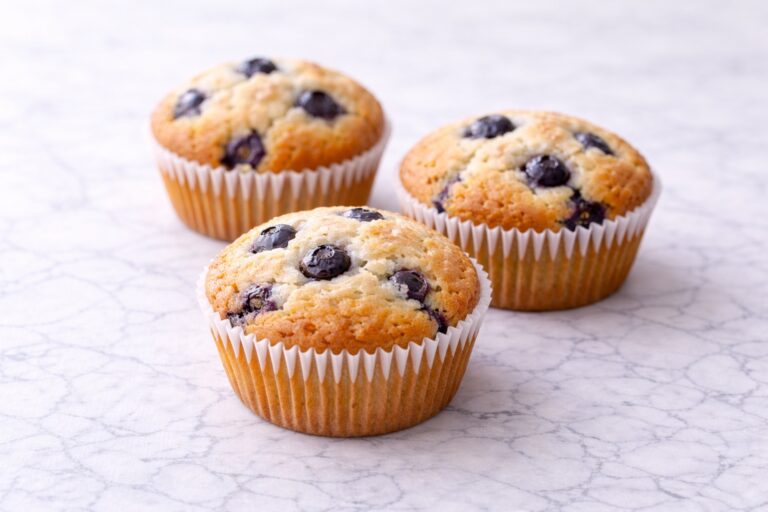
- Banana Blueberry Muffins. Add a berry direction to the ripe-banana craving in a muffin format.
- Chocolate Chip Banana Bread Recipe. Move to a sliceable banana loaf when chocolate is the flavor you want next.
Bake Another Pan to Share
For another dessert that serves several people from one pan, choose the flavor and finish that suit the occasion. Strawberry, chocolate and pumpkin each lead to a different kind of slice.
- Strawberry Sheet Cake. Keep the shareable sheet-cake format while switching to a strawberry-centered dessert.
- Chocolate Sheet Cake. Choose a cocoa-forward frosted pan cake for a different dessert-table flavor.
- Texas Sheet Cake Recipe. Explore a thinner chocolate sheet cake with a poured icing finish.
- Pumpkin Coffee Cake. Trade the frosting finish for cinnamon streusel when planning a coffee-time bake.
Make a Layer Cake Your Next Project
A layer cake adds assembly and frosting between the layers to your next baking session. These recipes give that extra work a clear purpose, from warm spice to coconut or vanilla.
- Carrot Cake Recipe. Build on the cream cheese frosting theme with a spiced carrot layer cake.
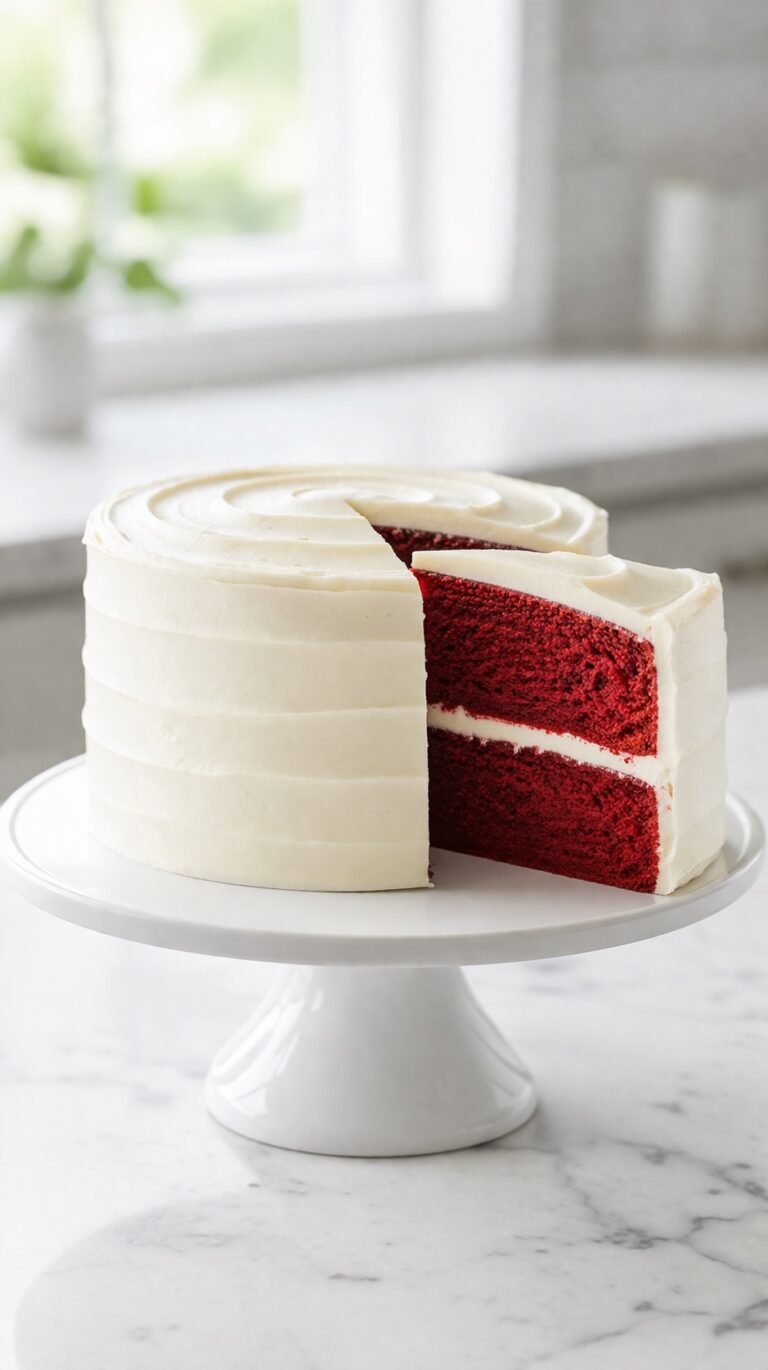
- Red Velvet Cake. Practice a layered celebration cake with a striking red crumb and cream cheese finish.
- Coconut Cake. Explore a coconut layer cake with a different crumb and exterior texture.
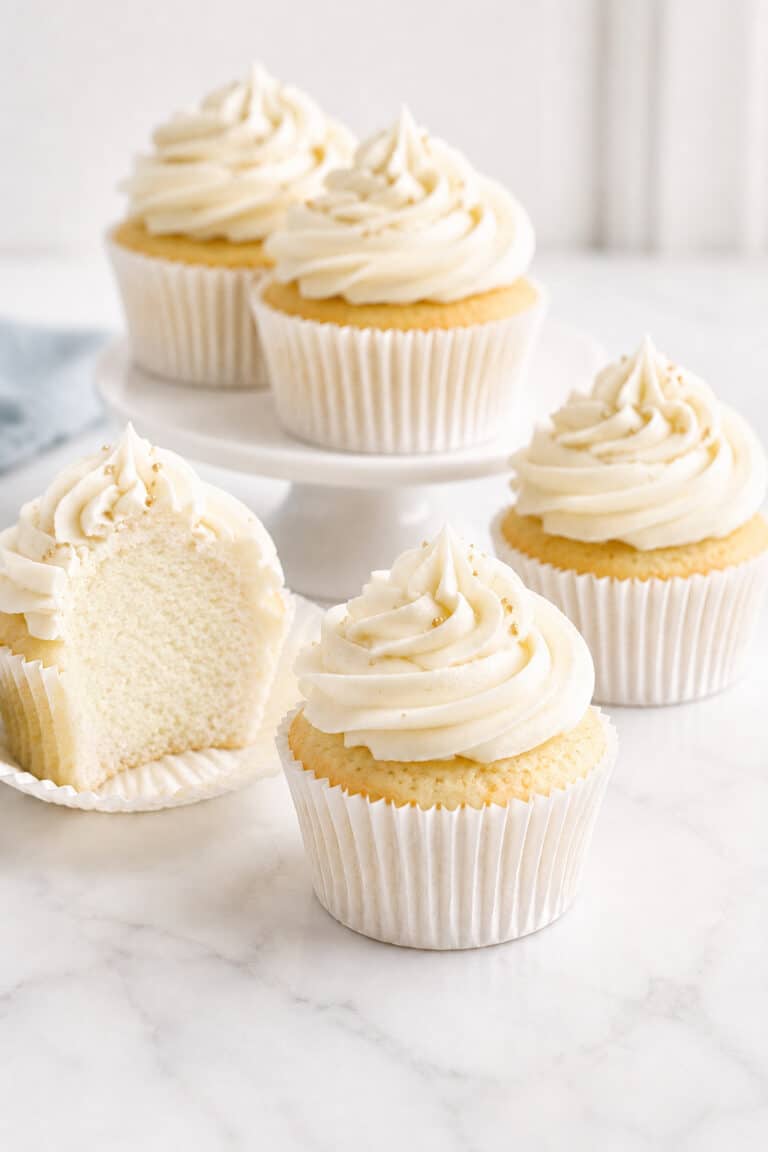
- Vanilla Cake. Choose a vanilla-centered layer cake when you want the next project to focus on assembly and frosting.
Why This Banana Cake Belongs in Your Recipe Box
Keep this banana cake recipe as a familiar bake that also builds useful judgment about fruit, batter and frosting.
- A Measured Starting Point: A fixed weight of mashed banana makes it easier to return to the same banana cake recipe when the next bunch of fruit is a different size.
- Visible Texture Checks: Recognizing banana flecks, flour streaks and moist crumbs gives you useful distinctions to carry into the next bake.
- A Transferable Cooling Lesson: Checking the middle before frosting is a habit that remains useful whenever a cool surface can hide a warm cake.
- Two Clear Components: Separate cake and frosting measures remove the need to reconstruct how much butter, vanilla or salt belongs in each part on a later baking day.
- Honest Troubleshooting Limits: Knowing which problems can respond to chilling or more oven time helps you avoid trying to fix a finished cake by changing ingredients at random.
- A Useful Planning Reference: The distinction between baking ahead, storing the finished banana cake and freezing it unfrosted makes future preparation easier to organize.
A Banana Cake Worth Taking Your Time Over
This banana cake gives very ripe fruit a place at the dessert table. The cream cheese finish makes it feel like a cake prepared for sharing, even when the starting point was simply a few bananas that needed using.
Return to this banana cake when there is no special celebration on the calendar, but making dessert still feels worthwhile. An ordinary day can have room for a cake of its own.
The care in a homemade banana cake is often in the small choices that never appear on the plate. By the time a piece is offered to someone, that attention has become something simple: a cake they can sit down and enjoy.

Banana Cake with Cream Cheese Frosting
This banana cake has a moist, buttery crumb, ripe banana flavor and a smooth cream cheese frosting. Bake it in one 9 x 13 inch pan, cool completely, and finish with simple ivory swirls for 12 generous squares.
Ingredients
For the Banana Cake
- 1 1/2 cups (340 g) mashed very ripe banana, measured after peeling and mashing; usually 3 large or 4 medium bananas, but count is not the measure.
- 2 1/2 cups (300 g) all-purpose flour, spooned and leveled.
- 1 1/2 teaspoons (6 g) double-acting baking powder.
- 1/2 teaspoon (about 3 g) baking soda.
- 1/2 teaspoon (3 g) fine salt.
- 3/4 cup (170 g) unsalted butter, softened but still cool, approximately 65-68 F / 18-20 C.
- 1 1/4 cups (250 g) granulated sugar.
- 3 large eggs (about 150 g without shells), at cool room temperature.
- 2 teaspoons (10 ml) pure vanilla extract.
- 3/4 cup (170 g) full-fat sour cream, approximately 18-20% fat, at cool room temperature.
For the Cream Cheese Frosting
- 1/2 cup (113 g) unsalted butter, softened but not greasy.
- 8 ounces (227 g) full-fat brick-style cream cheese, softened just enough to blend smoothly.
- 3 cups (340 g) confectioners' sugar, measured before sifting, then sifted if lumpy.
- 1 teaspoon (5 ml) pure vanilla extract.
- 1/8 teaspoon (about 0.75 g) fine salt.
Instructions
- Prepare the pan and ingredients. Heat a conventional oven to 350°F (175°C), with a rack in the center. Allow about 20 minutes for preheating while you prepare the batter. Lightly coat one light-colored metal 9 x 13 x 2 inch pan with nonstick baking spray and line the bottom with parchment. Start with the cake butter cool-soft at about 65–68°F (18–20°C), and eggs and sour cream no longer refrigerator-cold. The butter should indent while holding its shape, without an oily surface. Keep the frosting dairy refrigerated until the banana cake is nearly cool.
- Mash the bananas and whisk the dry ingredients. Mash the peeled bananas with a fork, leaving only small soft flecks, then measure 1 1/2 cups (340 g). In a medium bowl, whisk the flour, baking powder, baking soda and cake salt for about 30 seconds, reaching the bottom and sides. There should be no large banana chunks or visible pockets of leavener.
- Cream the butter and sugar. Beat the 3/4 cup (170 g) cake butter and granulated sugar on medium speed with a hand mixer or stand mixer fitted with a paddle for 3–4 minutes. Scrape the bowl halfway through and again at the end. The mixture should look paler and lighter, with soft ridges; fine sugar grains can remain. If it becomes greasy, stop and let it cool briefly before continuing.
- Add the eggs, vanilla and banana. Beat in the eggs one at a time on medium-low speed, allowing about 20–30 seconds per egg. Scrape after the second and third eggs. Mix in the 2 teaspoons (10 ml) cake vanilla, then add the measured banana on low speed just until evenly distributed. A slightly curdled appearance can be normal; do not keep beating to force smoothness.
- Finish the banana cake batter. On low speed, add the dry mixture in three portions, alternating with the sour cream in two portions, beginning and ending with dry ingredients. Let each addition become mostly incorporated before adding the next. Finish with a few folds by hand, scraping the bottom. Stop when the last flour pocket disappears. The batter should be thick and scoopable, with fine banana flecks, no free liquid and no long elastic strands.
- Fill the pan and bake. Spread all the banana cake batter evenly into the prepared pan, including the corners, keeping the surface below two-thirds of the pan’s height. Bake immediately for 30–40 minutes, checking at 30 minutes. The center should be set without a fluid ripple, spring back gently, and give a clean skewer or a few moist crumbs without glossy batter. The edges should be lightly golden. If the middle is still wet, continue in 3–5 minute intervals. Tent loosely with foil only if the top browns before the center sets; do not bake to a bone-dry skewer once the center is ready.
- Cool completely. Set the pan uncovered on a wire rack and leave the banana cake in the pan for frosting and serving. Allow 2–3 hours to cool. Check both the top and the middle: a clean metal skewer left briefly in the central crumb should no longer come out warm. In a warm kitchen, you can move the pan to a heat-safe refrigerator shelf after about 45 minutes on the rack; the remaining cooling time will vary. Do not frost while the center is warm.
- Make the cream cheese frosting. Near the end of cooling, soften the frosting butter and cream cheese just enough to blend, usually 20–30 minutes. Beat the 1/2 cup (113 g) frosting butter on medium speed for about 1 minute until smooth. Add the cream cheese and mix on medium-low for 30–60 seconds, scraping once, until smooth. Add the powdered sugar in two additions on low speed, followed by the 1 teaspoon (5 ml) frosting vanilla and frosting salt. Mix on medium-low only until creamy, about 30–60 seconds more after incorporation. The banana cake frosting should be thick and spreadable, with soft ridges and no lumps, liquid pools or greasy sheen. Do not add milk or beat to increase volume. If warm and soft, refrigerate 15–20 minutes, stir gently and reassess.
- Frost and serve. Spread all the frosting over the completely cooled banana cake, making shallow swirls. Cut in a 3 x 4 grid for 12 servings, wiping the knife between cuts. The topping should sit above the crumb without melting into it. An optional 20 minutes in the refrigerator can firm the surface for cleaner cuts. Refrigerate promptly if not serving immediately. Serve cool or let individual slices soften for 15–20 minutes, within the cumulative unrefrigerated limits in the notes.
Notes
- Banana measurement. Use fresh, very ripe bananas and weigh or measure after mashing. The fruit count is only a shopping estimate. Do not add surplus banana; extra moisture can make banana cake heavy or gummy.
- Ingredient choices. Use full-fat brick-style cream cheese and measure the powdered sugar before sifting. Spreadable, whipped or low-fat cheese and reduced sugar can change the frosting’s consistency. Keep the cake and frosting amounts of butter, vanilla and salt separate.
- Sour cream option. For this banana cake, 3/4 cup (170 g) plain, full-fat Greek yogurt can replace the sour cream, with some variation in tang and tenderness. Thin or fat-free yogurt is not an equivalent replacement.
- Pan and fruit changes. These amounts and baking times are for the specified light-metal 9 x 13 x 2 inch pan and fresh mashed banana. Cupcakes, Bundt pans, glass or dark pans, thawed bananas and dietary substitutions need their own adjusted directions.
- Timing. Prep is about 35 minutes: 25 for the batter and 10 for making and spreading frosting. The 3 hour 10 minute total uses a 35-minute bake and 2-hour cooling period. Allow 3 hours 5 minutes to 4 hours 15 minutes overall as baking and cooling vary. Initial ingredient tempering, usually another 30–60 minutes if refrigerator-cold, and optional chilling are additional.
- Make ahead. Bake the banana cake one day ahead, cool completely, cover and refrigerate. Make frosting fresh the next day, or refrigerate it separately for up to 24 hours and soften briefly before stirring gently and spreading. The fully cooled cake may also be frosted the day before and refrigerated covered. Do not hold mixed raw batter overnight.
- Refrigeration and serving. Keep frosted banana cake covered at 40°F (4°C) or below for 3–4 days, preferably within 3 days for the best texture. Limit cumulative time out of refrigeration to 2 hours, or 1 hour above 90°F (32°C), including cream cheese softening, frosting, decorating and serving. Take out only the portions needed. Do not reheat the frosted cake.
- Freezing. Freeze the cooled, unfrosted banana cake, well wrapped, for up to 2 months for quality. Thaw wrapped in the refrigerator overnight, then frost. Texture may change slightly after thawing.
- Nutrition. Nutrition is an estimate for one of 12 equal banana cake portions, including all the frosting. It excludes pan spray and garnishes; brands and portion sizes affect the values.
Nutrition Information:
Yield: 12 Serving Size: 1 frosted square (1/12 of the cake)Amount Per Serving: Calories: 592Total Fat: 29.9gSaturated Fat: 17.6gCholesterol: 125mgSodium: 328mgCarbohydrates: 76.7gFiber: 1.4gSugar: 53.4gProtein: 6.2g
Nutrition information is provided as an estimate only and may vary based on specific ingredients, brands, and portion sizes used. This information should not be considered medical or nutritional advice.
12 Sweet Favorites — Yours, Free 🍰
Tiramisù, no-bake cheesecake, the perfect chocolate chip cookie & 9 more reader-loved desserts — gathered into one beautiful free recipe book. From my kitchen to yours.
No spam, just sweet things. Unsubscribe anytime.