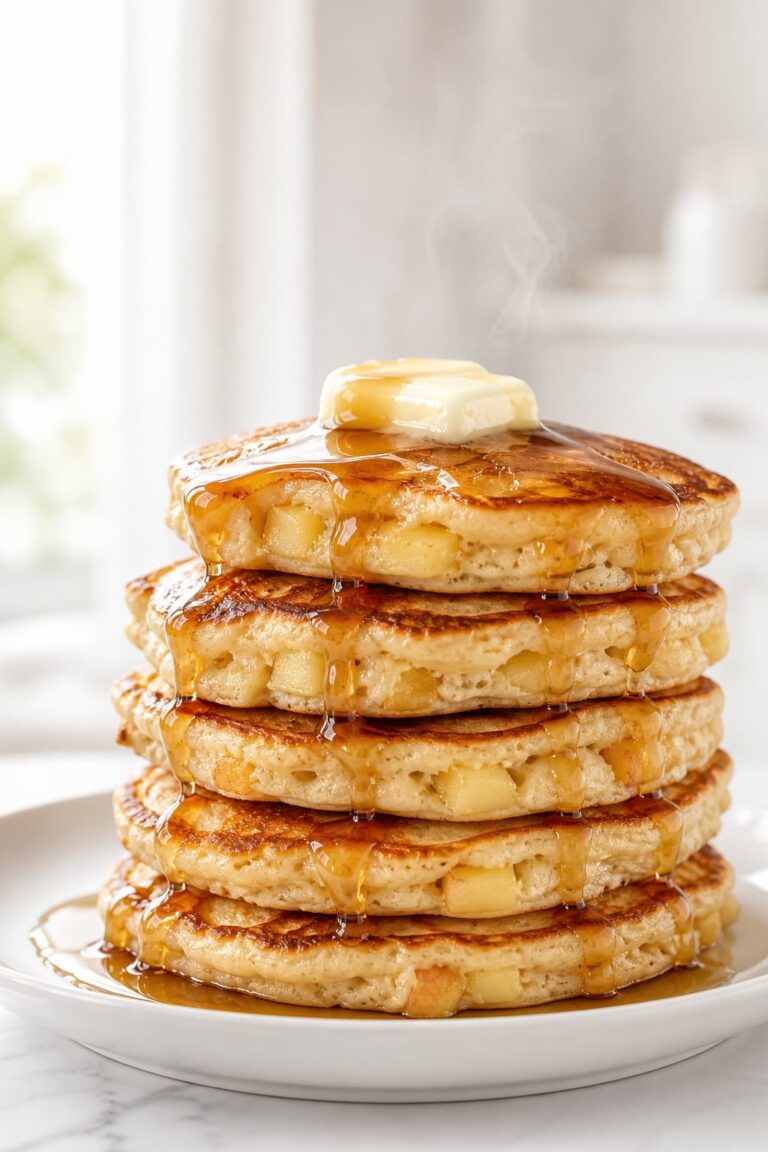
Protein Pancakes (Fluffy, Easy & High-Protein Breakfast)
🎁 FREE E-BOOK: 12 Sweet Favorites — reader-loved desserts in one beautiful recipe book.
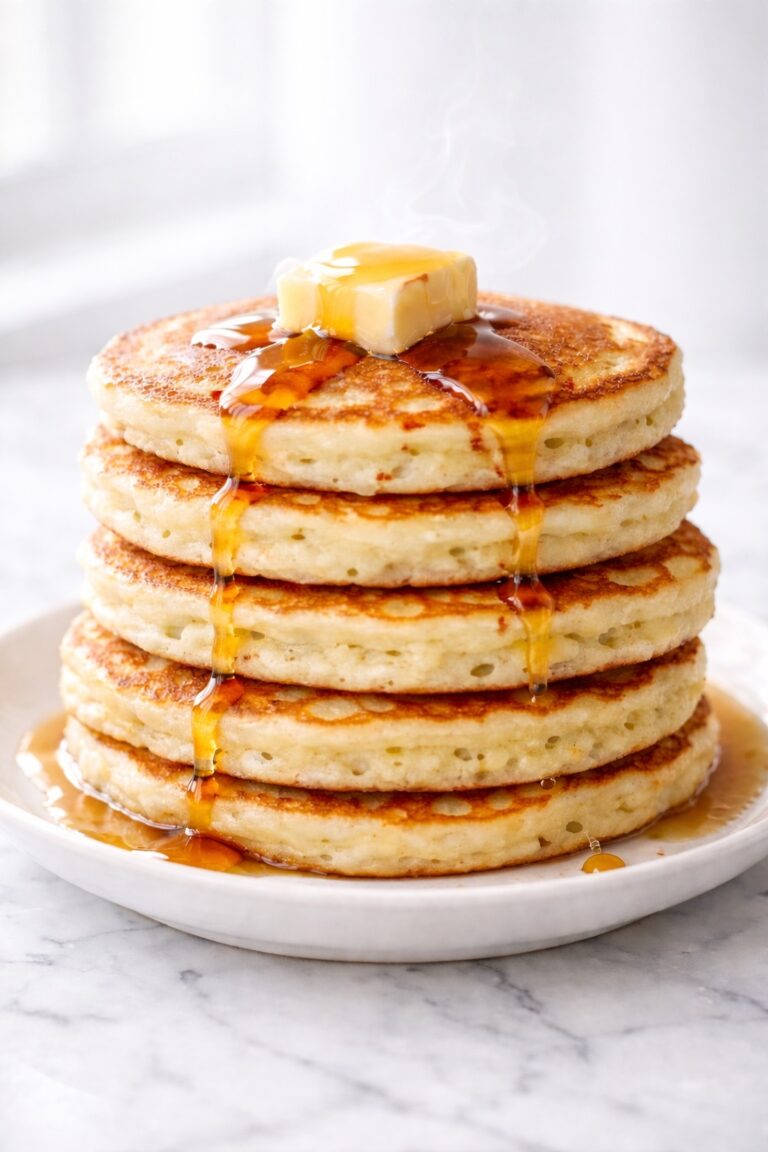
Protein pancakes are soft, fluffy pancakes made with oats, protein powder, eggs, and yogurt, creating a higher-protein alternative to traditional pancakes while still staying tender and satisfying. They are easy to prepare in a blender and stay soft when cooked over medium-low heat with the right moisture balance.
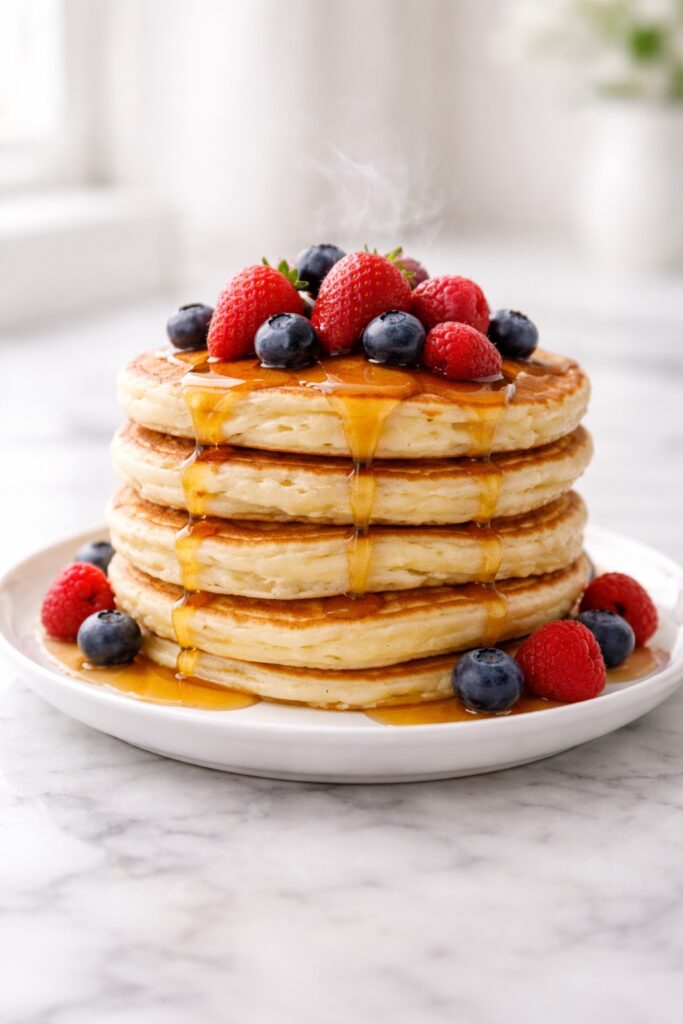
If you want a breakfast that feels soft, cozy, and satisfying but still gives you a little more staying power than classic pancakes, these protein pancakes are one of those recipes you’ll naturally keep on repeat. They cook up fluffy and tender, with lightly golden edges, a soft center, and that warm homemade pancake smell that instantly makes the kitchen feel calmer. They are simple enough for weekday mornings, but still feel good enough for a slow weekend breakfast.
What makes them especially appealing is that they do not taste like a “diet” version of pancakes. They still feel comforting and familiar, just a little more balanced. The texture is soft and thick, the flavor is mellow and lightly sweet, and they work beautifully with fruit, yogurt, nut butter, maple syrup, or even just a little butter on top.
These are the kind of pancakes that feel practical and comforting at the same time. They are easy to make, easy to customize, and easy to come back to when you want something filling without making breakfast feel complicated.
Sometimes the first batch is not perfect, and that’s completely normal. Protein pancake batter behaves a little differently, but once you get the feel of it, it becomes one of the easiest and most reliable breakfasts to make.
There is usually a moment when you realize these are not just “healthy pancakes.” It happens when the first one comes off the pan, soft in the center with lightly golden edges, and smells just like a classic homemade pancake.
If you love breakfast recipes with fruit, these also pair beautifully with banana pancakes or blueberry pancakes.
These protein pancakes are a quick and easy high protein breakfast made with simple ingredients and ready in minutes. They are soft, fluffy, and naturally satisfying, making them perfect for meal prep, healthy mornings, or post-workout meals when you want something balanced and homemade.
What Are Protein Pancakes?
Protein pancakes are soft, fluffy pancakes made with ingredients like oats, protein powder, eggs, and yogurt to increase protein content while maintaining a tender texture.
Unlike traditional pancakes, protein pancakes require a balanced ratio of moisture and structure to prevent dryness. When properly mixed and cooked over medium-low heat, they develop a soft center, lightly golden edges, and a satisfying texture that works well for breakfast, meal prep, or post-workout meals.
This version uses a balanced combination of pantry ingredients to create pancakes that are tender, flavorful, and easy to cook, without turning rubbery or dry.
These pancakes are often searched for as a quick high-protein breakfast, an easy pancake alternative, or a simple post-workout meal, especially alongside recipes like healthy pancakes or cottage cheese pancakes.
Quick Recipe Overview
These protein pancakes are soft, fluffy, and easy to make in a blender using simple ingredients like oats, protein powder, eggs, and Greek yogurt. This easy protein pancake recipe creates tender, satisfying pancakes with a soft center and lightly golden edges. They are perfect for a quick high-protein breakfast or meal prep.
- Texture: Soft, fluffy, slightly hearty with tender centers
- Flavor: Lightly sweet, warm vanilla with a hint of cinnamon
- Difficulty: Easy
- Time: About 20 minutes
- Servings: 6 pancakes
- Method: Blender batter + stovetop cooking
- Best For: Breakfast, meal prep, post-workout meals
These pancakes are especially reliable once you understand the batter consistency: slightly thicker than classic pancake batter, but still soft and scoopable.
Quick Tip: If the batter feels too thick, add a small splash of milk before cooking.
In short: These protein pancakes are soft, fluffy, and easy to make, with a balanced texture that stays tender instead of dry or rubbery.
Why You’ll Love These Protein Pancakes
- Soft and fluffy, not dense
- Higher in protein than classic pancakes
- Easy to make with simple ingredients
- Perfect for breakfast or post-workout meals
- Meal prep friendly
- Comforting, homemade texture
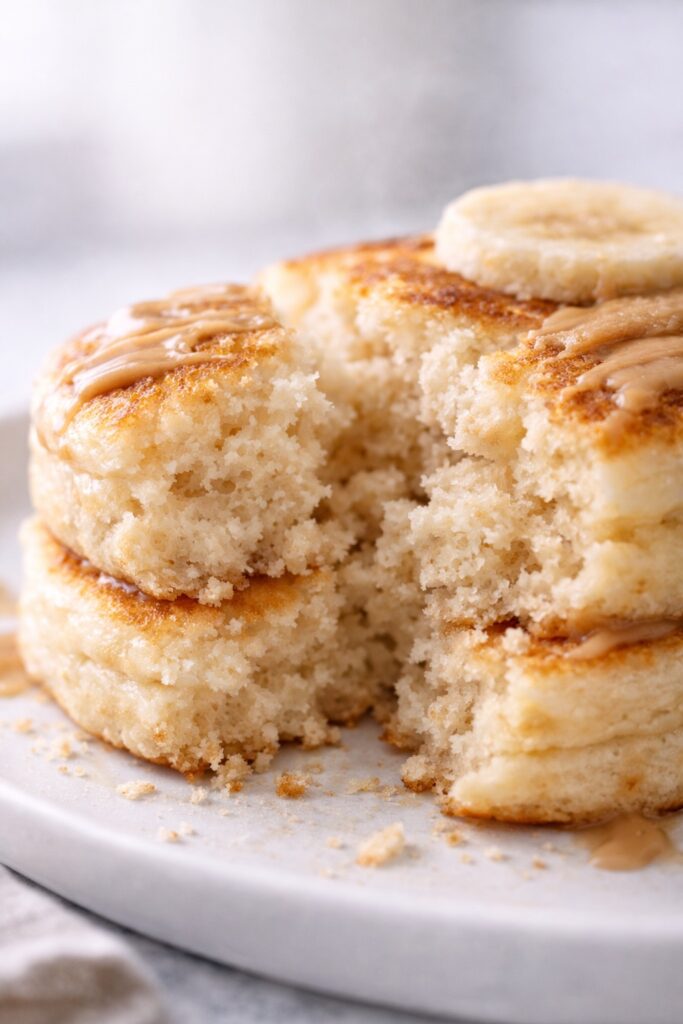
Why This Recipe Works
Protein pancake batter needs more balance than standard pancake batter.
With classic pancakes, flour gives structure and tenderness fairly easily. With protein pancakes, ingredients like protein powder and oats can absorb moisture quickly and make the batter feel thicker and heavier.
A short rest also matters more than many people expect, since batter naturally thickens as it sits, which is one of the reasons pancake texture improves with better hydration and gentler cooking, as explained in this pancake guide from King Arthur Baking.
If the batter looks perfect right after blending but thickens a few minutes later, that is not a mistake, it is exactly how protein pancake batter is designed to behave. Oats and protein powder continue to absorb moisture as the batter rests, which is what helps the pancakes develop a softer, more stable texture when cooked.
This recipe works because it balances:
- protein from powder, yogurt, and eggs
- moisture from yogurt, milk, and eggs
- structure from oats and eggs
- lift from baking powder
- flavor from vanilla, cinnamon, and a little sweetness
That balance is what keeps the pancakes fluffy instead of dry or rubbery, even with higher protein content.
Different protein powders behave differently based on their composition, with whey typically producing softer pancakes and plant-based proteins absorbing more liquid and creating a slightly denser texture.
What makes this version stand out from many protein pancake recipes is the balance between structure and moisture. Instead of relying too heavily on protein powder, which can easily lead to dry or rubbery pancakes, this recipe builds softness through yogurt, eggs, and controlled hydration. The result is a pancake that feels much closer to a classic fluffy pancake, but with better staying power.
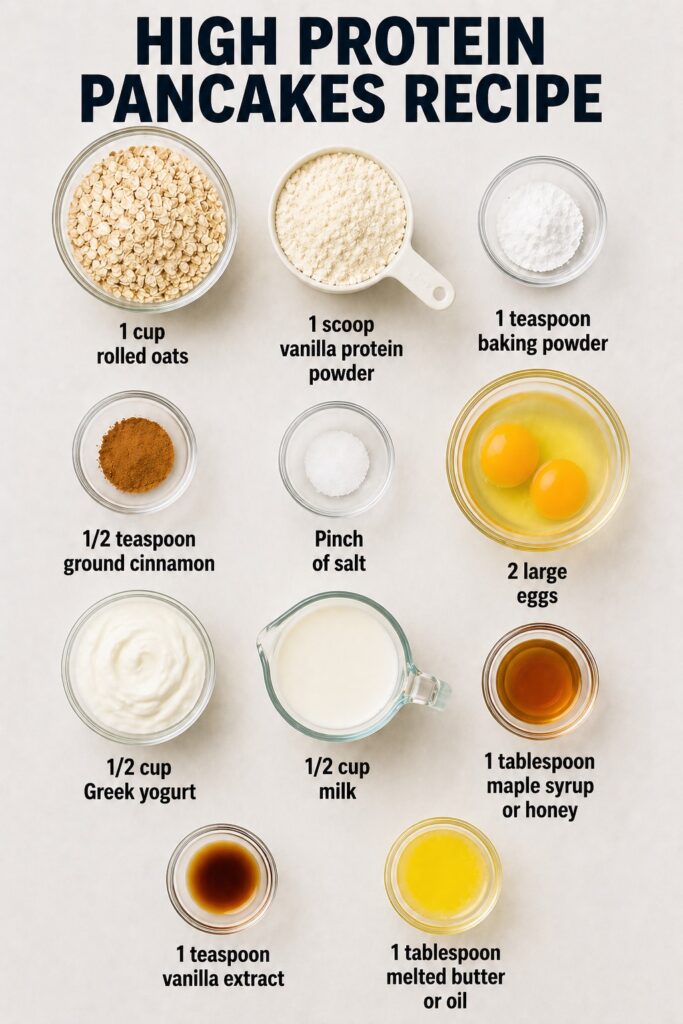
Ingredients
These protein pancakes use a balanced combination of simple ingredients that work together to create a soft, fluffy texture without becoming dry or dense.
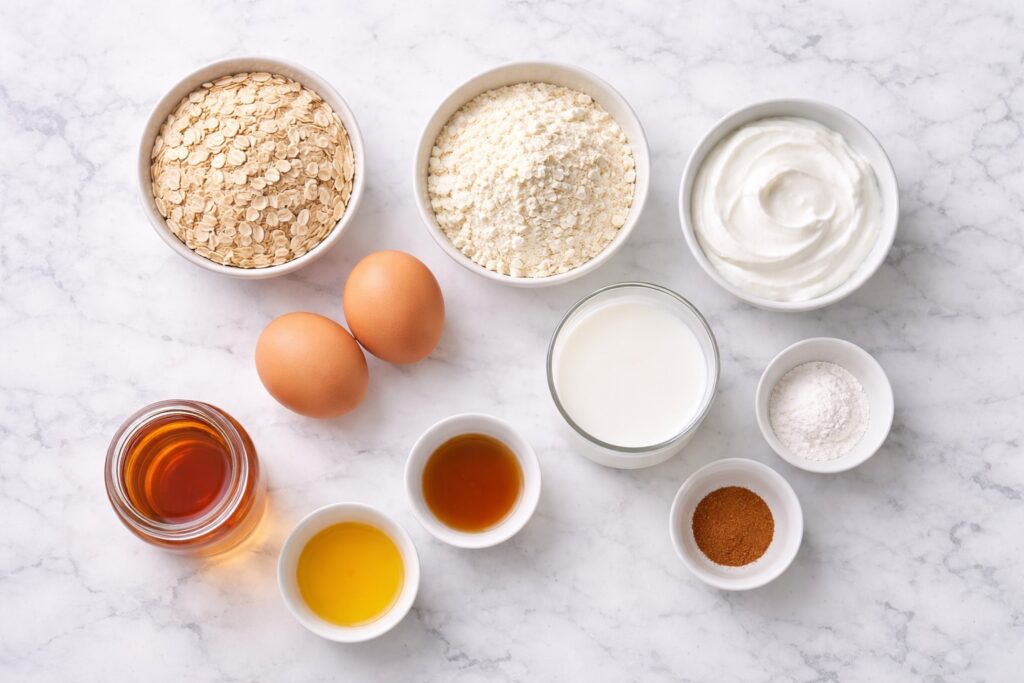
For the Protein Pancakes
- 1 cup rolled oats
- 1 scoop vanilla protein powder
- 1 teaspoon baking powder
- 1/2 teaspoon ground cinnamon
- Pinch of salt
- 2 large eggs
- 1/2 cup Greek yogurt
- 1/2 cup milk
- 1 tablespoon maple syrup or honey
- 1 teaspoon vanilla extract
- 1 tablespoon melted butter or oil
Optional Toppings
- Fresh berries
- Banana slices
- Greek yogurt
- Nut butter
- Maple syrup
- Chopped nuts
Ingredient Notes & Substitutions
Rolled oats
Rolled oats help create structure, body, and a more satisfying texture. Once blended, they behave almost like oat flour and give the pancakes a soft, slightly hearty crumb. They also help the pancakes feel more substantial without becoming heavy.
Substitution: You can replace rolled oats with oat flour for a smoother texture. If using oat flour, use slightly less (about 3/4 cup) since it is more compact.
Protein powder
Vanilla protein powder adds extra protein and a little sweetness. It also affects texture, which is why balance matters here. Too much protein powder can make pancakes dry and tight, while the right amount helps them stay soft and tender.
Substitution: You can use unflavored protein powder or a different flavor, but you may need to adjust sweetness. Different protein powders absorb liquid differently, so add a small splash of milk if the batter feels too thick.
Greek yogurt
Greek yogurt is one of the most useful ingredients in this batter. It adds moisture, protein, tenderness, and a subtle creamy richness. It also helps soften the drying effect that protein powder can sometimes create.
Substitution: You can use cottage cheese (blended smooth) or a thick dairy-free yogurt alternative. The texture may vary slightly, but the pancakes will still stay soft. If you enjoy cottage cheese-based breakfasts, you may also like these cottage cheese pancakes.
Eggs
Eggs provide structure and help the pancakes hold together while still staying fluffy. They also contribute protein and richness.
Substitution: You can use flax eggs (1 tablespoon ground flaxseed + 2.5 tablespoons water per egg), but the pancakes will be slightly softer and more delicate.
Baking powder
This helps the batter lift as it cooks, giving the pancakes a lighter, puffier texture. Since protein-heavy batters can sometimes cook up dense, baking powder is especially important here.
Substitution: If needed, you can use a mix of baking soda and an acid (like yogurt or lemon juice), but baking powder gives the most consistent results.
Quick Substitution Guide
| Ingredient | Best Substitution | What Changes |
|---|---|---|
| Rolled oats | Oat flour | Creates a smoother batter and slightly softer texture. Use about 3/4 cup oat flour instead of 1 cup rolled oats. |
| Vanilla protein powder | Unflavored, chocolate, or another protein powder | Flavor, sweetness, and liquid absorption may change. Some powders need more milk for the same texture. |
| Greek yogurt | Blended cottage cheese or thick dairy-free yogurt | Still adds moisture and softness, though texture may vary slightly depending on thickness. |
| Eggs | Flax eggs | Makes the pancakes softer and a bit more delicate, with slightly less lift. |
| Milk | Almond milk, oat milk, or any plant-based milk | Usually works well with only small texture differences. |
| Maple syrup | Honey or agave | Adds sweetness and a little moisture, though flavor will vary slightly. |
| Melted butter | Neutral oil | Keeps the pancakes tender and helps prevent sticking. |
| Cinnamon | Vanilla, nutmeg, or omit | Mainly affects flavor, not structure. |
| Baking powder | Baking soda + acid | Can work in a pinch, but baking powder gives the most reliable lift here. |
Smart Substitution Logic
This recipe is flexible, but protein pancake batter does not behave exactly like classic pancake batter. Each substitution affects not only flavor but also moisture, structure, and tenderness. That is why the best swaps are the ones that preserve balance rather than simply replacing one ingredient with another.
How to Think About Swaps
- Oats or oat flour provide structure and body.
- Protein powder adds protein, but also absorbs moisture quickly.
- Greek yogurt brings moisture, tenderness, and creamy richness.
- Eggs help bind the batter and support lift.
- Baking powder helps keep the pancakes fluffy instead of dense.
When changing one ingredient, it often helps to protect the role it plays in the recipe. For example, if you use a drier protein powder, you may need a little more milk. If you remove eggs, you may need more binding and gentler flipping.
Protein Powder Comparison Guide
| Protein Powder Type | How It Behaves | Best Adjustment |
|---|---|---|
| Whey protein | Usually blends smoothly and creates a softer pancake | Often works as written or with only a tiny splash of extra milk |
| Whey isolate | Can cook up drier and firmer | Add a little extra milk or yogurt if batter feels tight |
| Plant-based protein | Often absorbs more liquid and can feel denser | Expect to need more milk and slightly gentler cooking |
| Collagen powder | Adds protein but does not behave like regular protein powder structurally | Use with care and do not rely on it alone for the same pancake texture |
| Sweetened protein powder | Adds extra sweetness and may brown faster | Lower heat slightly and reduce added sweetener if needed |
Troubleshooting
If Your Batter Feels Too Thick
- Add 1–2 tablespoons milk at a time
- Let the batter rest 1–2 minutes before adjusting (oats absorb liquid gradually)
- If using a dense protein powder, expect to need slightly more liquid
If Your Batter Feels Too Thin
- Let it rest longer (3–5 minutes total)
- Add 1 tablespoon oats or oat flour
- Avoid adding more protein powder — it can make pancakes dry
If Pancakes Turn Out Dry
- Reduce protein powder slightly
- Add a bit more Greek yogurt or milk
- Cook on lower heat to prevent over-drying
If Pancakes Turn Out Rubbery
- Too much protein powder → reduce slightly
- Heat too high → lower to medium-low
- Overcooking → remove as soon as centers are set
If Pancakes Don’t Hold Together
- Check egg ratio (structure issue)
- Add 1–2 tablespoons oats for stability
- Let batter rest longer before cooking
If Pancakes Brown Too Fast
- Lower heat immediately
- Protein + sugar causes faster browning than regular pancakes
- Use a thicker pan or better heat distribution if possible
Quick Fix Matrix
| Problem | Likely Cause | Fix |
|---|---|---|
| Batter too thick | Oats or protein absorbing liquid | Add milk gradually |
| Batter too thin | Not enough structure | Add oats or rest longer |
| Dry pancakes | Too much protein powder | Reduce protein + add moisture |
| Rubbery texture | High heat or overcooking | Cook on medium-low heat |
| Falling apart | Not enough binding | Add egg or oats |
| Burning outside | Heat too high | Lower heat, cook slower |
| Undercooked inside | Pancakes too thick or heat too high | Cook longer on lower heat |
One of the easiest mistakes is expecting this batter to behave exactly like classic pancake batter. Protein pancakes usually need slightly gentler heat, a slightly thicker batter, and a little more patience before flipping. Once you adjust for that, the texture becomes much softer, fluffier, and more reliable.
Sometimes the first pancake cooks a little darker than the rest, especially if the pan is still adjusting to the heat. Once you find the right temperature, the next batches turn out softer, more even, and perfectly golden.
Perfect Texture Control System
| Texture Goal | What to Do | What to Avoid |
|---|---|---|
| Softer pancakes | Add a little more yogurt or milk | Too much protein powder |
| Fluffier pancakes | Use fresh baking powder and do not over-thin the batter | Overmixing after resting |
| More structure | Add a spoonful of oats or let batter rest longer | Flipping too early |
| More moisture | Cook on lower heat and add a little extra dairy or milk | Overcooking |
| Better browning control | Use medium-low heat and smaller pancakes | High heat with sweetened protein powder |
Equipment You’ll Need
- blender or food processor
- mixing bowl, if needed
- measuring cups and spoons
- nonstick skillet or griddle
- spatula
- ladle or scoop
A blender makes these especially easy because the oats break down smoothly and the batter becomes more uniform. If the batter sits for a few minutes and thickens, that is normal. Oats continue absorbing moisture after blending.
A good nonstick skillet makes a noticeable difference here, helping the pancakes cook evenly and release easily without breaking.
How to Make Protein Pancakes
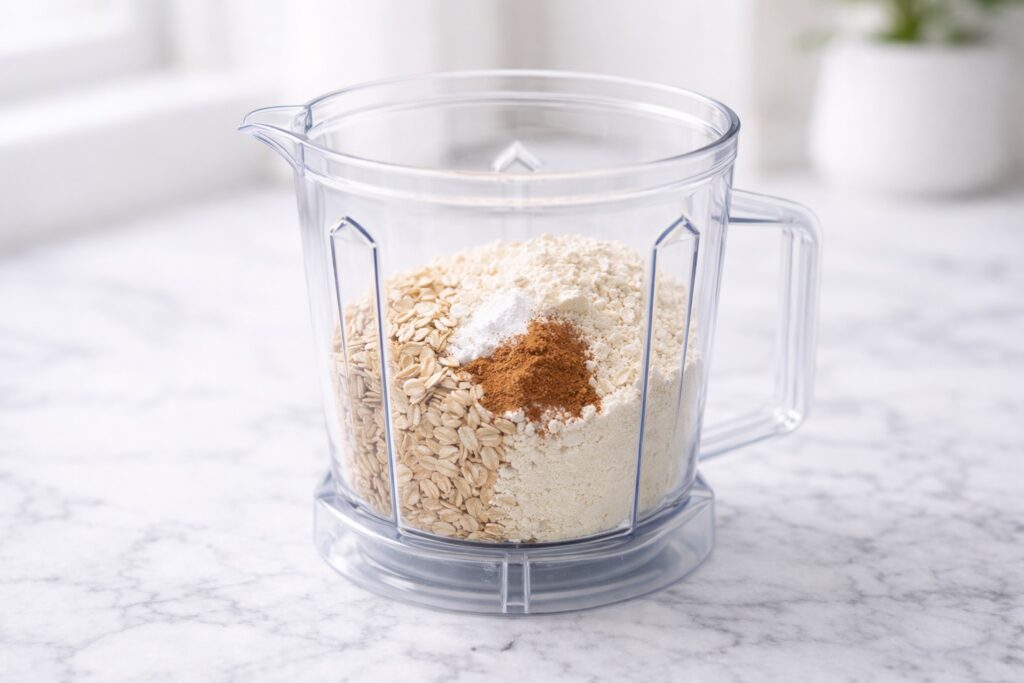
1. Blend the dry base
Add the rolled oats, protein powder, baking powder, cinnamon, and salt to a blender. Pulse until the oats are mostly finely ground.
2. Add the wet ingredients
Add the eggs, Greek yogurt, milk, maple syrup, vanilla extract, and melted butter or oil. Blend until the batter is smooth and thick.
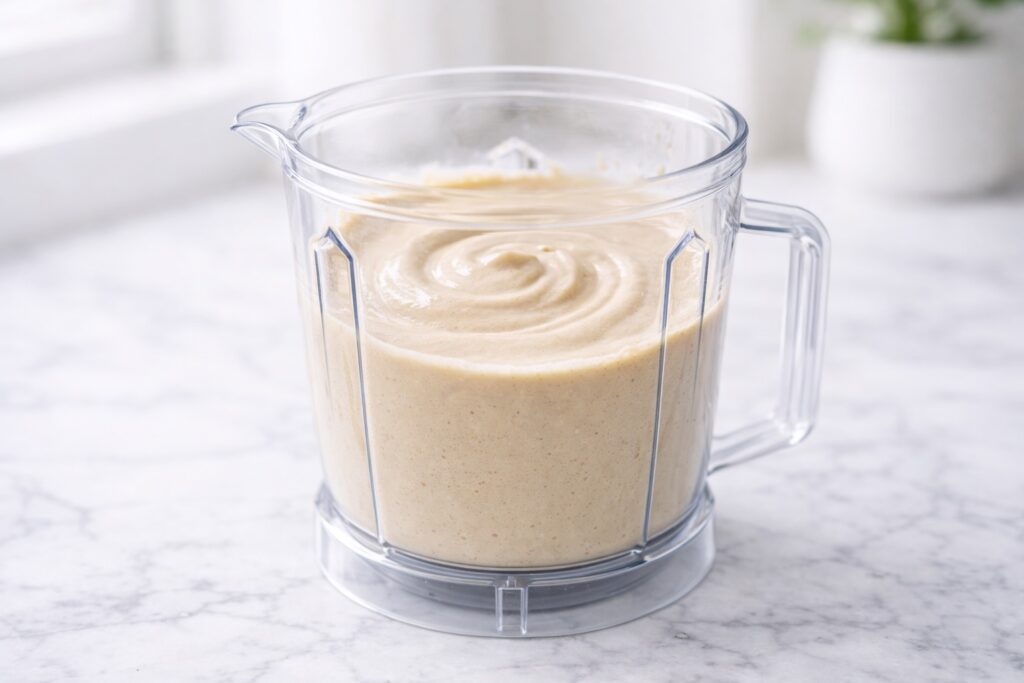
3. Let the batter rest briefly
Let the batter sit for 3 to 5 minutes. This gives the oats time to hydrate and helps the batter settle into the right consistency.
4. Heat the pan
Place a nonstick skillet or griddle over medium-low heat. Lightly grease the surface.
5. Cook the pancakes
Scoop small rounds of batter onto the warm pan.
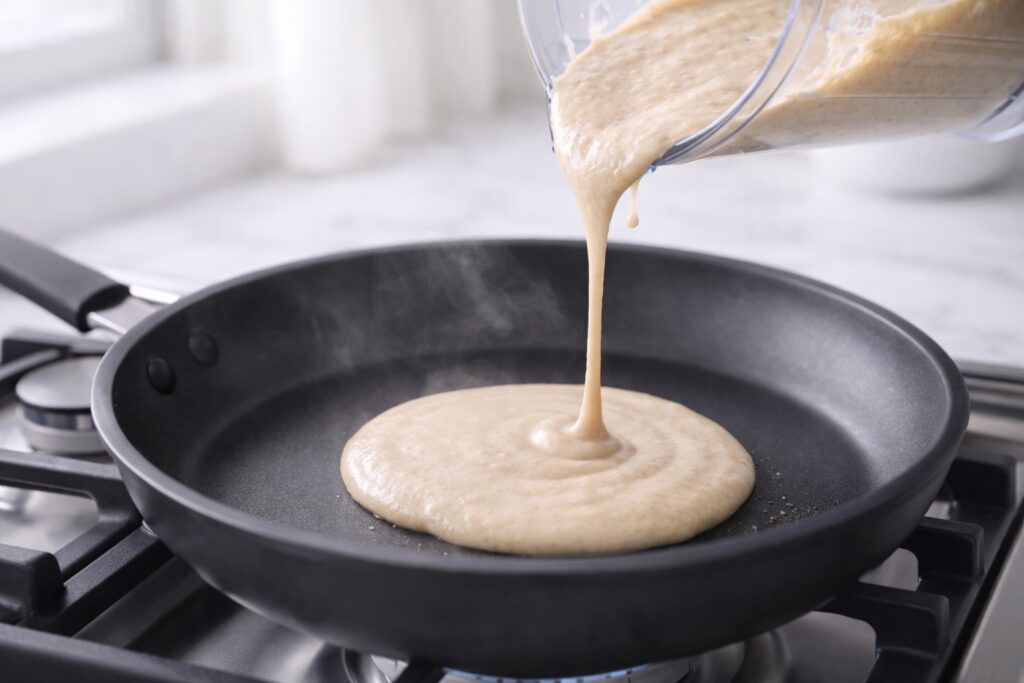
Cook until bubbles begin to appear on the surface and the edges start to look set, about 2 to 3 minutes.
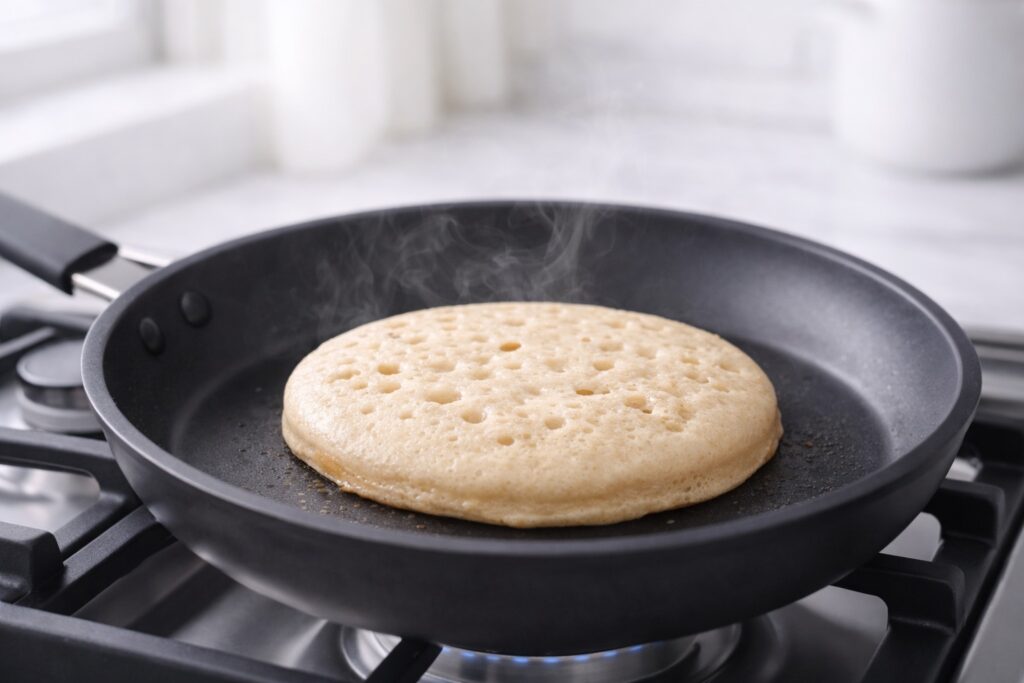
Flip gently and cook the second side for another 1 to 2 minutes, until golden and cooked through.
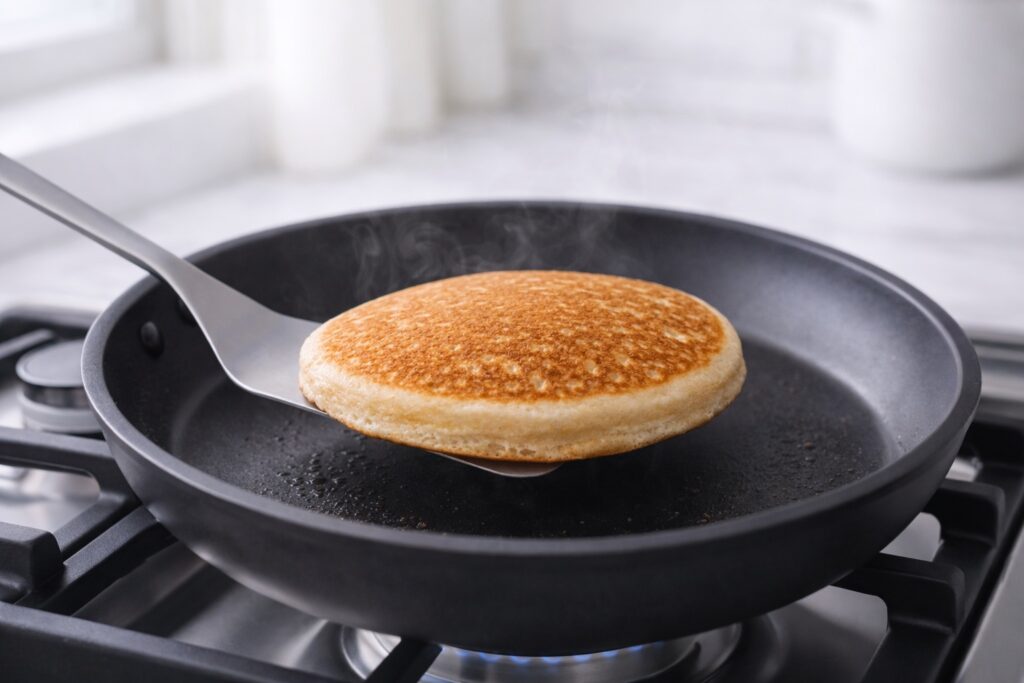
6. Serve warm
Serve the pancakes warm with your favorite toppings.
Baking tip: Protein pancakes cook best over medium to medium-low heat. Because of the protein content, they brown faster than classic pancakes, so keeping the heat slightly lower helps them cook through evenly without becoming too dark on the outside.
Visual Doneness Cues: When the Pancakes Are Ready to Flip
This type of pancake batter can look ready to flip before it actually is, so visual cues matter.
Look for:
- small bubbles forming and staying open on the surface
- edges that look set instead of shiny
- bottoms that release more easily from the pan
- a top surface that no longer looks raw in the center
Protein pancakes often brown before the center is fully ready, so color alone is not the best signal. Surface texture and edge setting are more reliable.
After flipping, the second side usually cooks faster. The finished pancakes should feel lightly springy in the center, not wet or gummy.
Batter Consistency Guide
The batter should be:
- thicker than classic pancake batter
- smooth, not watery
- scoopable
- able to spread slightly on its own
If the batter feels too thick, add 1 to 2 tablespoons of milk.
If it feels too thin, let it rest another minute or add a small spoonful of oats.
Protein pancake batter often thickens as it sits. That is not a problem — it is just the oats and protein absorbing liquid. A tiny splash of milk before the second batch often brings it right back to the ideal texture.
- A slightly thicker protein pancake batter often cooks better than a loose one, but the pan heat must stay gentle enough for the center to set gradually.
- If the batter looks perfect at first and then feels too thick after 5 minutes, that is usually normal hydration from the oats rather than a recipe problem.
- Pancakes with protein powder often brown a little faster than expected, so color alone is not the best sign of doneness. Surface structure and edge setting are more reliable cues.
Pro Insight: How to “Read” the Batter
The batter should feel thick but alive — not stiff, not runny. When you pour it into the pan, it should spread slightly on its own but still hold shape. If it sits like a solid mound, it’s too thick. If it spreads too quickly and loses shape, it’s too thin.
Small insight: Protein pancake batter almost always changes after 2–3 minutes of resting. What looks perfect at first often thickens slightly — this is normal and expected.
Batter Behavior Map
The easiest way to get perfect protein pancakes is to learn how to read the batter before it ever touches the pan.
Ideal Batter
The batter should be thick but scoopable. It should spread a little when poured into the pan, but still hold its round shape. It should not run like thin pancake batter, but it also should not sit like stiff dough.
If the Batter Sits Like a Mound
It is too thick. Add 1 tablespoon of milk at a time until it loosens slightly.
If the Batter Spreads Too Fast
It is too thin. Let it rest another minute or add 1 tablespoon oats or oat flour.
If the Batter Changes After Resting
That is normal. Oats and protein powder continue to absorb moisture. A small splash of milk before the next batch usually brings it back to the ideal consistency.
Small insight: Protein pancake batter should feel slightly thicker than you expect. That extra body is what helps the pancakes stay soft and fluffy instead of spreading thin in the pan.
Protein Pancake Batter vs Classic Pancake Batter
Protein pancake batter behaves differently from classic pancake batter because ingredients like oats, protein powder, eggs, and yogurt absorb more moisture and create a thicker texture.
| Feature | Protein Pancake Batter | Classic Pancake Batter |
|---|---|---|
| Consistency | Thicker, scoopable | Pourable, fluid |
| Spread in Pan | Slow, controlled | Quick, wider spread |
| Hydration Changes | Changes after resting | Stays more consistent |
| Cooking Needs | Lower heat, slightly longer cooking | Moderate heat, faster cooking |
| Texture Goal | Soft, fluffy, slightly hearty | Soft, airy, light |
Why Protein Pancakes Can Turn Dry
Protein-rich batters behave differently from standard pancake batter. Protein powder absorbs liquid quickly and firms up as it heats. If the batter is too dry, or if the pancakes cook over heat that is too high, they can turn dense, tight, or rubbery.
For best texture:
- keep the batter well hydrated
- avoid overusing protein powder
- cook over gentler heat rather than high heat
- flip only once the structure is set
This is one of those recipes where gentler heat makes a noticeable difference in texture.
This is why protein pancakes often improve dramatically once you slightly lower the heat and allow more time for the center to set gently.
Expert Tips for the Best Protein Pancakes
- Keep the pancakes small: Smaller pancakes are easier to flip and cook more evenly. Thick high-protein batters are more delicate than standard pancake batter.
- Use medium-low heat: This gives the centers time to cook through before the outside gets too dark.
- Let the batter rest: A short rest improves texture and helps the oats hydrate fully.
- Do not overblend after resting: Blend until smooth initially, then leave it alone. Overworking the batter later can flatten the lift.
- Adjust the consistency as needed: Different protein powders absorb liquid differently. A small splash of milk can make a big difference.
Common Mistakes to Avoid
- Cooking over heat that is too high: This is the fastest way to get dark outsides and undercooked centers.
- Using too much protein powder: More protein powder does not always mean better pancakes. Too much makes the batter dry and chalky.
- Skipping moisture-rich ingredients: Yogurt, eggs, and milk help offset the drying nature of protein powder.
- Flipping too early: If the center is still too loose, the pancake may tear or collapse during flipping.
- Making them too large: Larger pancakes are harder to turn and more likely to stay wet inside.
Variations
Banana Protein Pancakes
Add 1 ripe banana to the blender for a sweeter, softer pancake with more moisture. If banana-forward breakfasts are your thing, you might also love this banana pancakes recipe.
Chocolate Chip Protein Pancakes
Fold in a small handful of chocolate chips after blending.
Blueberry Protein Pancakes
Scatter blueberries onto each pancake after pouring the batter into the pan.
Cottage Cheese Protein Pancakes
Swap part of the Greek yogurt for cottage cheese for an even higher-protein version with a very soft interior.
Cinnamon Vanilla Protein Pancakes
Increase the cinnamon slightly and add a little extra vanilla for a warmer, cozier flavor.
How to Serve Protein Pancakes
These pancakes are best served warm, when the centers are still soft and the edges are lightly delicate. The texture is especially nice right off the pan, with the warmth of the pancakes melting into whatever you put on top.
They pair especially well with:
- Greek yogurt and berries
- banana and peanut butter
- maple syrup and chopped nuts
- warm berry compote
- a little butter and cinnamon
- honey and toasted seeds
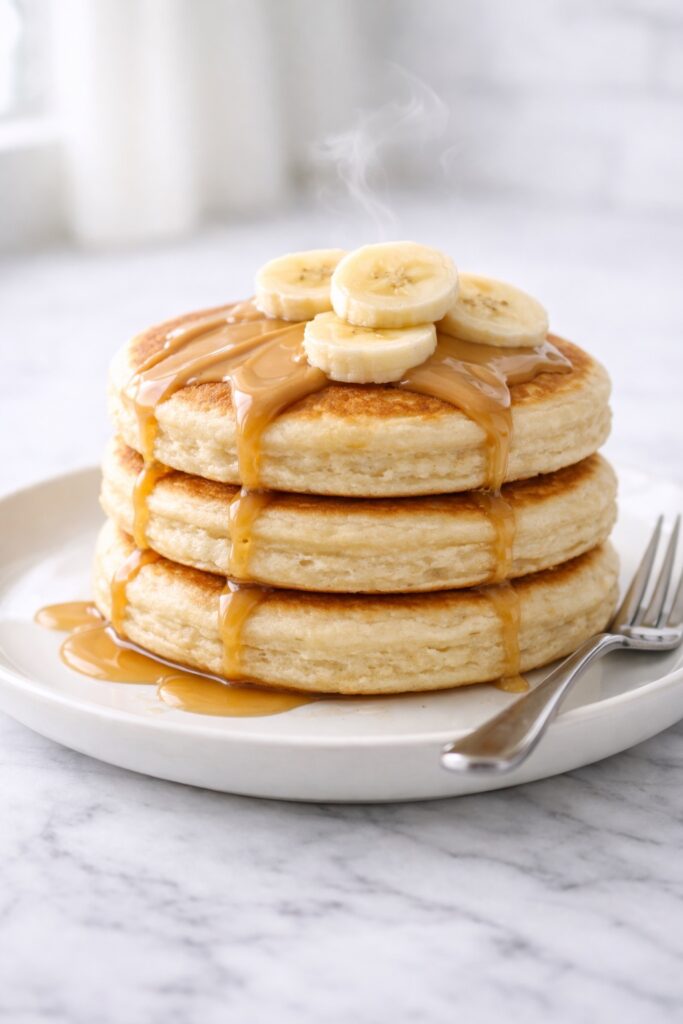
If you want them to feel a little more special, stack them with yogurt between the layers, then spoon fresh berries over the top and finish with a drizzle of maple syrup. It creates a simple but elevated breakfast presentation that looks as good as it tastes.
Save this protein pancake recipe for those mornings when you want something quick, healthy, and genuinely satisfying.
If you are building out an easy breakfast rotation, these protein pancakes also fit naturally alongside classics like sheet pan pancakes, or German pancakes.
Storage and Make-Ahead
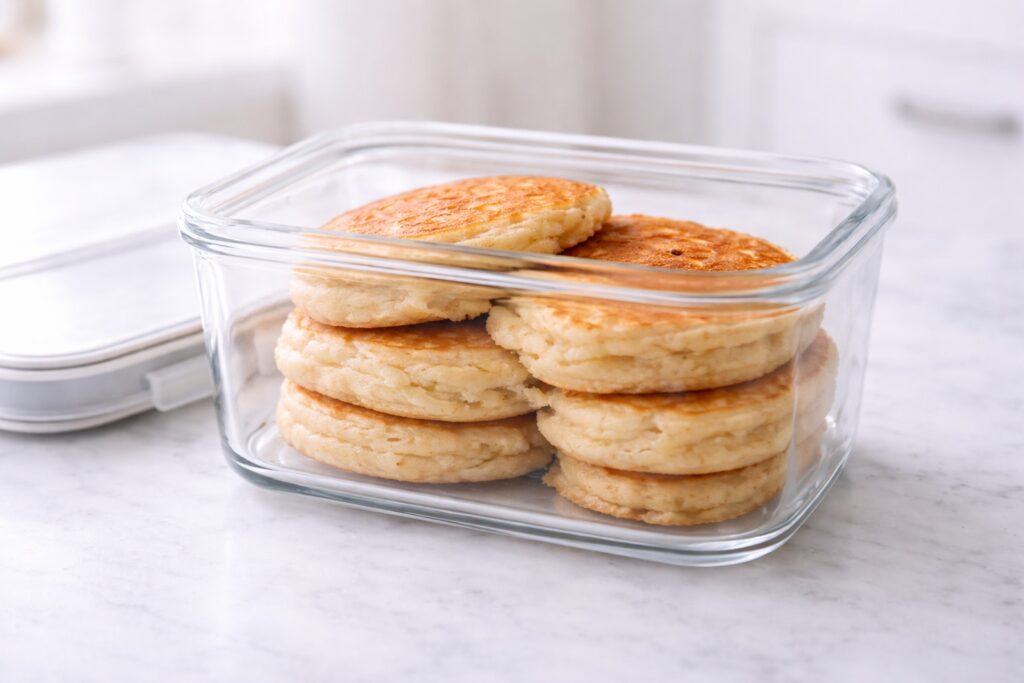
- Refrigerator: Let the pancakes cool fully, then refrigerate in an airtight container for up to 4 days.
- Freezer: Layer cooled pancakes between sheets of parchment paper and freeze in a sealed container or bag for up to 2 months.
- Reheat: Warm them in a skillet over low heat, in the microwave, or briefly in a toaster oven.
These are especially good for breakfast prep because they reheat well and stay softer than many high-protein pancake recipes.
FAQ
Are protein pancakes healthy?
They can be a more balanced breakfast option than standard pancakes, especially because they usually contain more protein and can help you feel satisfied longer. The exact nutrition depends on the ingredients used.
Do protein pancakes taste like regular pancakes?
They are a little heartier, but when well balanced, they still taste soft, cozy, and very pancake-like. This recipe is designed to keep the texture tender and pleasant.
Why are my protein pancakes rubbery?
This usually happens when the batter contains too much protein powder, not enough moisture, or the pancakes cook over heat that is too high.
Can I make these without oats?
Yes, but oats help create structure and softness in this version. Replacing them changes the texture.
Can I use a different protein powder?
Yes, but the texture may vary. Some protein powders absorb much more liquid than others, so you may need a little more milk.
Can I make them without Greek yogurt?
Yes, though the pancakes may be slightly less tender. You can try cottage cheese or another thick, protein-rich dairy substitute if needed.
Recipe Summary
These protein pancakes are soft, tender, and satisfying, offering a balanced texture and comforting flavor. Easy to make and perfect for meal prep, they are a reliable high-protein breakfast you will come back to again and again.
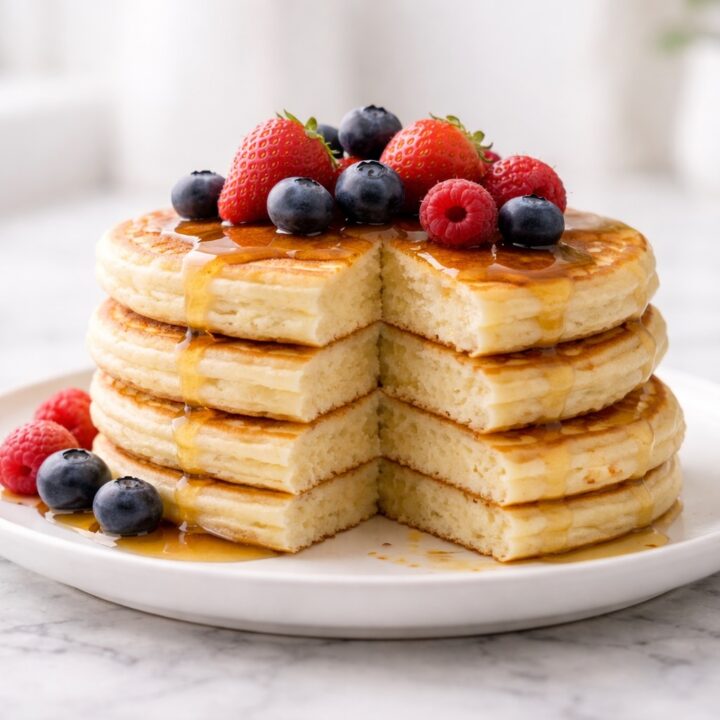
Soft, golden, and stacked high, these protein pancakes are the kind of breakfast that feels both nourishing and indulgent at the same time. The fluffy texture, warm vanilla aroma, and creamy toppings make them easy to save, easy to remake, and always satisfying.
These protein pancakes fit beautifully into several search and save behaviors because they cross over between healthy breakfast ideas, high protein breakfast recipes, easy pancake recipes, meal prep breakfast, and post workout breakfast. They also have strong visual appeal because the texture reads well in photos: fluffy stack, golden edges, creamy toppings, berries, syrup drizzle, or nut butter finish.
This is one of those recipes that people tend to save because it actually works. Once you understand the batter and cooking rhythm, it becomes a reliable go-to for mornings when you want something filling, simple, and consistently good.
More Pancake Recipes To Try
If you enjoy soft, fluffy pancakes like these, there are so many variations you can explore depending on the flavor and texture you’re craving. From classic stacks to fruit-filled or slightly richer versions, these are all easy to come back to.
- Banana Pancakes – soft, naturally sweet pancakes with a tender, comforting texture
- Blueberry Pancakes – fluffy pancakes filled with juicy bursts of blueberries
- Buttermilk Pancakes – classic light and airy pancakes with golden edges
- Cottage Cheese Pancakes – soft, protein-rich pancakes with a creamy texture
- Sheet Pan Pancakes – easy oven-baked pancakes perfect for feeding a crowd
More Breakfast Recipes You’ll Love
If you like having a few reliable breakfast options to rotate through, these recipes fit beautifully alongside pancakes. They are simple, comforting, and easy to make again and again.
- French Toast – golden, custardy slices with a soft center and crisp edges
- French Toast Casserole – warm, baked breakfast with a soft, custard-like texture
- Sourdough French Toast – slightly tangy, rich slices with a crisp exterior
- English Muffins – soft, airy centers with a lightly crisp, toasted finish
- Scones – tender, buttery pastries perfect for a simple breakfast or brunch
Final Thoughts
These protein pancakes are one of those recipes that feel simple at first, but become something you return to again and again. Soft, warm, and quietly satisfying, they bring together comfort and balance in a way that makes breakfast feel easy rather than effortful.
What makes them especially reliable is not just the ingredients, but the small details: the way the batter rests, the gentle heat of the pan, the moment you learn to recognize when they are ready to flip. Once those pieces fall into place, the texture becomes consistently soft, fluffy, and tender.
Stacked with berries, yogurt, or a drizzle of maple syrup, they look just as inviting as they feel to eat, which is why they are often saved and remade.
They fit easily into real life, quick enough for busy mornings, yet comforting enough for slower ones. Whether you keep them simple or dress them up, they always feel like something worth coming back to.
And once you get the feel of the batter, this becomes one of those recipes you no longer need to think about. It simply works, every time, which is exactly what makes it a recipe worth keeping.
Love this? There are twenty more like it.
128 pages, five chapters, 15 kitchen guides and 16 printable planning pages — in US Letter and A4.
Protein Pancakes (Fluffy, Easy & High-Protein Breakfast)
These protein pancakes are soft, fluffy, and easy to make in a blender using oats, protein powder, eggs, and yogurt. This easy protein pancake recipe creates tender pancakes with lightly golden edges and a soft center, perfect for a quick high-protein breakfast or meal prep.
Ingredients
For the Protein Pancakes
- 1 cup rolled oats
- 1 scoop vanilla protein powder
- 1 teaspoon baking powder
- Pinch of salt
- 1/2 teaspoon ground cinnamon
- 2 large eggs
- 1/2 cup Greek yogurt
- 1/2 cup milk
- 1 tablespoon maple syrup or honey
- 1 teaspoon vanilla extract
- 1 tablespoon melted butter or oil
Optional Toppings
- Fresh berries
- Banana slices
- Greek yogurt
- Nut butter
- Maple syrup
- Chopped nuts
Instructions
- Blend dry ingredients: Add rolled oats, protein powder, baking powder, cinnamon, and salt to a blender. Blend until the oats are finely ground.
- Add wet ingredients: Add eggs, Greek yogurt, milk, maple syrup, vanilla extract, and melted butter. Blend until smooth and thick.
- Let batter rest: Let the batter sit for 3–5 minutes to allow the oats to absorb moisture.
- Heat the pan: Heat a nonstick pan over medium-low heat and lightly grease.
- Cook pancakes: Pour small rounds of batter onto the pan. Cook for 2–3 minutes until bubbles form and edges look set.
- Flip and finish cooking: Flip gently and cook another 1–2 minutes until golden and cooked through.
- Serve warm: Serve immediately with your favorite toppings.
Notes
- Protein pancake batter should be slightly thicker than classic pancake batter.
- If the batter thickens too much after resting, add a small splash of milk.
- Cook on medium-low heat to prevent the outside from browning too quickly.
- Different protein powders absorb liquid differently, so adjust milk as needed.
- Smaller pancakes cook more evenly and are easier to flip.
- Let the batter rest before cooking for the best texture and softer pancakes
Recommended Products
Nutrition information is estimated and provided as a courtesy. Values may vary depending on the specific ingredients used, portion sizes, and brands. This information should not be considered a substitute for professional medical or dietary advice.


Nutrition Information:
Yield: 6 pancakes Serving Size: 3 pancakesAmount Per Serving: Calories: 320Total Fat: 12gCarbohydrates: 30gFiber: 4gSugar: 6gProtein: 20g
12 Sweet Favorites — Yours, Free 🍰
Tiramisù, no-bake cheesecake, the perfect chocolate chip cookie & 9 more reader-loved desserts — gathered into one beautiful free recipe book. From my kitchen to yours.
No spam, just sweet things. Unsubscribe anytime.