Cranberry Orange Muffins with Buttery Streusel
🎁 FREE E-BOOK: 12 Sweet Favorites — reader-loved desserts in one beautiful recipe book.
Cranberry Orange Muffins bring together a tender, buttery crumb, bright orange zest, and little pockets of tart fruit beneath a golden streusel topping. The cranberries soften in the oven, leaving ruby-red patches through the pale crumb, while the brown sugar crumbs give the tops a delicate crunch.

A warm muffin beside a cup of coffee makes a simple breakfast feel generous. These also suit a relaxed brunch, where their sharp cranberry flavor brings a welcome lift to a table of buttery, sweet bakes.
Keep this recipe close for the details that make another batch easier: measured portions for a standard muffin pan, a clear mixing stopping point, and a way to judge the center even when a cranberry stains the tester red.
Cranberry Orange Muffins at a Glance
This recipe makes twelve standard muffins with a separate brown sugar streusel. Allow about an hour before serving them warm, including the cooling time that helps the crumb settle and makes the muffins easier to lift from their papers.
| At a Glance | Cranberry Orange Muffins |
|---|---|
| Texture | Tender, lightly moist crumb with juicy fruit pockets and a crumbly streusel top |
| Flavor | Fresh orange zest, tart cranberries, butter, and a light cinnamon accent |
| Difficulty | Easy mixing, with attention to ingredient temperature and the baking cues |
| Time | About 20 minutes prep, 20–25 minutes baking, and at least 20 minutes cooling: about 60–65 minutes to serve warm |
| Servings | 12 standard muffins; 1 muffin per serving |
| Method | Hand-mixed batter, baked in a conventional oven at 375°F (190°C) |
| Best For | Breakfast, brunch, coffee breaks, and a basket to share |
| Pan | One light-colored metal 12-cup standard muffin pan, with wells about 100 ml each |
| Finish | Buttery brown sugar streusel; no glaze |
Frozen cranberries may lengthen the baking time. Muffins being packed or frozen need to cool completely, which takes longer than the minimum cooling time for warm serving.
Why These Cranberry Orange Muffins Work
The batter and topping give different kinds of richness, while the fruit keeps each bite lively. Four ingredient choices give these muffins their particular balance of tender crumb, citrus fragrance, tart pockets, and buttery crumbs.
- Melted butter gives the crumb a clear buttery flavor. Milk and eggs bring moisture and structure to the batter, so the muffin beneath the topping has enough substance to hold the berries without becoming a heavy, dense bite.
- Orange zest brings concentrated citrus character. Using the colored outer peel delivers fragrance without adding extra liquid to the batter. The orange stays noticeable alongside the sharper cranberries instead of relying on a sweet glaze for flavor.
- Whole cranberries create small bursts of tartness. Their flavor is distributed in distinct pockets, with sweeter crumb between them. That variation is part of the appeal: each bite carries a slightly different balance of fruit and muffin.
- A separate streusel adds texture where it matters. Cold butter, flour, and brown sugar form irregular crumbs that bake across the top. Their sweetness softens the fruit’s sharpness, while the crumbly surface contrasts with the tender center.

Why You’ll Love These Buttery Cranberry Orange Muffins
These muffins fit a home kitchen with ordinary baking tools and a standard muffin pan. They work well when you want a fresh breakfast bake for a small gathering, with a few portions available to keep for later.
- You can mix the batter by hand. A whisk handles the wet ingredients, and a spatula finishes the batter. There is no need to bring out a stand mixer or pause to cream butter and sugar.
- The batch is easy to serve. Twelve individual muffins can go straight onto a brunch platter or into a sharing basket once cooled. There is no cake to slice, and everyone can take a whole portion.
- The timing includes the wait before the first bite. With preparation, baking, and cooling accounted for, you can plan warm muffins for the table without discovering a long rest at the end. Allow extra time when the berries start frozen.
- You can keep a few for another morning. Fully cooled muffins can be wrapped individually and frozen, so a full batch does not have to be eaten at once. The topping softens with storage, but the citrus and cranberry combination remains a useful breakfast option.
The Science Behind Tender Muffins and Crisp Streusel
A tender muffin and a crumbly topping depend on different kinds of handling. The leavener gives the batter lift, restrained mixing protects the crumb, and cold butter helps the streusel stay in separate pieces while you work.
The baking powder supplies its own acid. Double-acting baking powder releases gas as it becomes wet and again as it heats. NC State explains how double-acting baking powder works. Have the oven and pan ready before mixing so the filled muffins can go straight into the heat.
More stirring develops more structure. Once flour meets liquid, continued mixing develops gluten. Muffin batter needs enough folding to eliminate dry flour, but beating it smooth can work against a tender crumb. Mississippi State University Extension describes the muffin mixing method, including the importance of brief mixing.
Cold butter keeps the streusel easy to handle. Firm pieces can be rubbed into the flour and sugar to make irregular crumbs. As the butter warms, the mixture becomes easier to smear into a paste, so chilling it while the batter is mixed helps preserve those separate pieces.

Ingredients for Cranberry Orange Muffins and Streusel
The batter and streusel share flour and butter, but their quantities and butter temperatures are different. Measure them into their separate groups before you begin so the melted butter stays with the batter and the cold butter stays with the topping.

Ingredient List
Use the first nine ingredients for the muffin batter and the final four for the streusel. The topping is enough to divide across all twelve muffins.
Muffin Batter
- 2 cups all-purpose flour (240 g), spooned and leveled
- 1 tablespoon double-acting baking powder (12 g)
- 1/2 teaspoon fine salt (3 g)
- 1/2 cup granulated sugar (100 g)
- 1 tablespoon finely grated fresh orange zest (about 6 g), orange layer only
- 1/2 cup unsalted butter (113 g), melted and cooled until lukewarm
- 2 large eggs (about 100 g without shells), at room temperature
- 3/4 cup whole milk (180 ml), at room temperature
- 1 cup fresh or frozen cranberries (100 g)
Streusel
- 1/2 cup all-purpose flour (60 g), spooned and leveled
- 1/3 cup packed light brown sugar (71 g)
- 1/4 teaspoon ground cinnamon (about 0.5 g)
- 1/4 cup unsalted butter (57 g), cold and cubed
Ingredient Notes
Fresh orange zest and the state of the cranberries have the greatest effect on flavor and handling. Weigh the flour when possible, and keep the two butter portions at the temperatures specified in the ingredient list.
| Cranberries | Preparation | What changes in the oven |
|---|---|---|
| Fresh | Wash and dry well; use 100 g. | Begin checking at 20 minutes and follow the center cues. |
| Frozen | Use 100 g directly from the freezer; do not thaw. | The colder fruit may extend baking beyond the usual 20–25 minutes. |
Orange zest: measure one tablespoon of finely grated colored peel, about 6 g. The number of oranges needed varies with size and skin thickness. Avoid the white pith beneath the peel, which can bring bitterness, and rub the zest into the sugar to distribute it evenly.
Flour and butter: spoon flour into measuring cups and level it rather than packing it down. Let the melted batter butter cool until fluid and lukewarm, about 95–105°F (35–40°C); the streusel butter should remain cold and firm.
Dried cranberries and cranberry sauce: dried fruit brings more chew and a different moisture balance, while sauce contributes variable water and sugar. Choose fresh or frozen berries for these quantities instead of making an equal-measure swap. For a different citrus-and-berry breakfast, Lemon Blueberry Muffins offer a softer berry flavor with lemon.

Kitchen Tools Needed for Cranberry Orange Muffins
A standard metal muffin pan gives the portioning and baking times their starting point. The remaining tools handle measuring, gentle mixing, fine zesting, and cooling without the need for an electric mixer.
- One light-colored metal 12-cup standard muffin pan, approximately 100 ml per well, with 12 standard paper liners.
- Kitchen scale, measuring cups and spoons, and a liquid measuring jug.
- Large, medium and small mixing bowls; whisk, flexible spatula and fork.
- Fine zester, toothpick or cake tester, and a portioning spoon.
- Cooling rack large enough for 12 muffins and a conventional oven with a center rack.
Before You Mix the Cranberry Orange Batter
Check the temperatures before the wet and dry mixtures come together. The batter butter should be fluid without being hot, while the topping needs the opposite treatment: cold crumbs that hold their shape as you scatter them.
- The oven is fully preheated to 375°F (190°C), the rack is centered, and the standard muffin pan has twelve paper liners.
- The melted batter butter is lukewarm, about 95–105°F (35–40°C).
- The eggs and milk are at room temperature, ready to blend with the butter.
- The streusel is made first and kept in the refrigerator while the batter is mixed.
What to Expect from the Cranberry Crumb and Streusel
The batter will be thick and scoopable, with small lumps rather than a perfectly smooth surface. Once baked, the muffins have a pale golden crumb, red fruit pockets, and uneven golden streusel across rounded tops.
- Standard muffins develop rounded domes; the loose streusel makes their outlines naturally irregular.
- Fresh or frozen cranberries create tart, juicy pockets, giving a different bite from the even chew of dried-fruit muffins.
- A little red staining around a cranberry is part of the fruit’s appearance in the crumb.
- The center firms as the muffins cool, and the topping has its crispest texture on the day of baking.

How to Make Cranberry Orange Muffins
Make the streusel first, then mix the batter only once the oven is ready. Work through the wet and dry mixtures separately, fold them together gently, and portion the muffins promptly so the filled pan can go straight into the oven.
1. Prepare the oven and pan
Preheat a conventional oven to 375°F (190°C) with a rack in the center. Line one light-colored metal 12-cup standard muffin pan with paper liners. Let the oven heat fully before you start combining the batter.
What you should see: twelve lined wells and a fully heated oven ready for the filled pan.
2. Make and chill the streusel
In a small bowl, combine 1/2 cup flour (60 g), 1/3 cup packed light brown sugar (71 g), and 1/4 teaspoon cinnamon. Cut in 1/4 cup cold cubed butter (57 g) with a fork or your fingertips until small, irregular crumbs form. Refrigerate while you prepare the batter.
What you should see: loose crumbs that hold together when pinched, with no pockets of dry flour and no greasy paste.
Tip: let some crumbs remain a little larger than others. Breaking every piece down to the same fine texture gives the topping less variation; pressing everything together makes it harder to scatter.

3. Prepare the fruit and orange sugar
Wash and thoroughly dry 1 cup fresh cranberries (100 g), or keep the same weight of frozen cranberries in the freezer until needed. In a medium bowl, rub 1 tablespoon finely grated orange zest (about 6 g) into 1/2 cup granulated sugar (100 g) with your fingertips for about 30–60 seconds.
What you should see: fragrant sugar that looks lightly damp, with fine orange flecks rather than long peel strips or white pith.

4. Combine the dry and wet mixtures separately
Whisk 2 cups flour (240 g), 1 tablespoon double-acting baking powder (12 g), and 1/2 teaspoon fine salt (3 g) in a large bowl. Whisk 2 large eggs and 3/4 cup whole milk (180 ml) into the orange sugar, then gradually whisk in 1/2 cup melted, lukewarm butter (113 g).
What you should see: an even dry mixture and a blended wet mixture without large pieces of solid butter.
Why this matters: refrigerator-cold milk and eggs can make melted butter firm up as it is added. Bringing them to room temperature helps the butter distribute through the wet ingredients.

5. Fold and add the cranberries
Pour the wet mixture into the dry ingredients. Fold with a flexible spatula until only a few streaks of flour remain. Add the cranberries and finish folding just until no dry pockets are left, reaching down to the bottom of the bowl without beating the batter smooth.
What you should see: thick, scoopable batter with small lumps and berries distributed throughout. Stop once the flour is incorporated; the surface does not need to look silky.

Tip: check the bottom of the bowl before adding more strokes. A hidden patch of flour needs one deliberate fold, while a small soft lump of mixed batter can be left alone.

6. Portion and top
Divide the batter evenly among the twelve prepared wells, approximately 72 g per well, aiming for about three-quarters full before adding the topping. Divide the chilled streusel over them, approximately 15–16 g per muffin. Scatter it loosely and bake immediately.

What you should see: similar batter levels and an even share of topping, with distinct crumbs still visible. The estimated weights are a portioning guide for the standard pan.

7. Bake to the center cues
Bake at 375°F (190°C), beginning the first check at 20 minutes. Fresh-berry muffins usually need about 20–25 minutes; frozen berries may take longer. Check the crumb between berries, continuing in 2-minute intervals if the center is not yet set.
What you should see: golden streusel, a set dome that springs back gently, and a tester without wet batter. A red juice mark alone does not mean the batter is raw; check another crumb area away from a berry if needed.

8. Cool before serving
Let the muffins rest in the pan for 5 minutes, then lift them carefully onto a cooling rack. Leave them on the rack for at least 15 minutes before serving warm. Let any muffins being packed or frozen cool completely.
What you should see: muffins that lift without the base tearing, with the crumb becoming firmer as steam escapes on the rack.

How to Tell When Cranberry Orange Muffins Are Done
Judge the crumb between the cranberries, not just the color of the streusel. The topping can look golden while the center still needs time, and a cooked berry can leave a red stain on a tester even when the surrounding muffin is baked.
Insert a toothpick or cake tester into a crumb area near the center, avoiding an obvious berry. Moist crumbs or a thin red juice stain are different from a coating of thick, sticky batter. If the tester went through fruit, check a second place before deciding to keep baking.
Use that reading together with a set dome and gentle spring-back. When wet batter is still present, return the pan to the oven and check again after two minutes. Let cooling finish the change from a fragile hot crumb to a muffin that can be lifted and eaten comfortably.

Small Details for Better Cranberry Orange Muffins
A few small choices make the topping easier to handle and the citrus more even from bite to bite. Pay attention to the streusel’s feel, the peel left on the orange, and how the crumbs are shared across the pan.
One small habit I’ve learned with crumb-topped muffins is to make the streusel first, then refrigerate it while I mix the batter. Those few minutes keep the buttery crumbs firm and easy to scatter over the tops. I leave them loose rather than pressing them down, so the topping keeps its uneven, crumbly texture.
- Turn the orange as you zest. Once a pale patch appears, move to fresh peel rather than grating deeper into the same spot. Fine colored zest distributes through the sugar and keeps the citrus flavor free of a pithy edge.
- Spread the streusel over all twelve muffins before adding the last crumbs. Give each well a light share first, then return to the sparsest tops. This avoids using most of the larger crumbs on the first few muffins and leaving the final ones almost bare.
Fixing Dense Muffins, Wet Centers, and Soft Streusel
A dense muffin, a wet center, and a soft topping need different responses. Some problems can be addressed while the pan is still in the oven; others are best prevented with a small change to the next batch.
| What you notice | Likely cause | What to do now | For the next batch |
|---|---|---|---|
| Dense crumb or long tunnels | Too much mixing after adding the flour, or too much flour. | A baked crumb cannot be made lighter by reheating. Serve if otherwise fully baked. | Weigh the flour and stop folding when dry pockets disappear. |
| Golden streusel but wet batter in the center | The surface has browned before the center has set. | Continue baking in two-minute intervals and retest crumb away from berries. | Keep the pan size, fill level, oven mode, and center cues consistent. |
| A red mark on the tester | The tester may have passed through a cranberry. | Test another area and look for thick wet batter rather than color alone. | Choose a crumb area near the center for the first check. |
| Streusel looks smeared before baking | The topping butter has warmed or the crumbs have been compressed. | Keep the topping cold and scatter it loosely instead of pressing it into a layer. | Make the streusel first and refrigerate it while mixing the batter. |
| Soft streusel after packing | The muffins were packed warm, or moisture has softened the topping during storage. | If still warm, return them to a rack to cool completely before covering. | Expect the crispest topping on the baking day; pack only fully cooled muffins. |
Beautiful Ways to Serve Cranberry Orange Muffins
Serve the muffins warm when you want the contrast of a soft center and fresh streusel, or let them cool for a platter or sharing basket. Their golden tops and red fruit pockets provide plenty of color without an extra glaze.
Warm Muffins with Coffee
Place a warm muffin on a small plate beside coffee or tea, with the paper gently loosened so the tender crumb is easy to reach. A few crumbs on the plate suit this simple serving, especially while the orange aroma is still rising from the muffin.
Keep the presentation spare: one muffin, a cup, and enough room to break off a bite. The streusel already brings sweetness and texture, so the muffin does not need another topping.

A Bright Brunch Platter
Arrange several cooled or just-warm muffins on a white platter with their streusel tops visible. Leave a little space between them so the papers are easy to grasp and the crumbs are not knocked off when someone takes a muffin.
For a brunch where you would prefer to offer slices instead of individual muffins, Pumpkin Coffee Cake gives another crumb-topped option with a warmer, spiced flavor.

A Basket for Sharing
Let the muffins cool completely before placing them in a shallow, lined basket. Arrange them in a single layer with their tops uncovered so the streusel stays visible and is not crushed by a second layer of muffins.
A basket is useful for serving or carrying a cooled batch to the table. For storing the muffins beyond the meal, move them to a covered container instead of leaving them exposed.

Keeping Cranberry Orange Muffins Fresh
The crumb stays soft longer than the streusel stays crisp. Cool the muffins completely before covering them, then choose a short room-temperature stay for the next day or individual freezer portions for later.
Storage
Keep fully cooled muffins in a covered container in a cool room and enjoy them within 1–2 days for their best texture. The topping will soften as it sits, even when the muffins were properly cooled before packing.
Avoid closing the container while the bases or centers still feel warm. Trapped steam makes the papers damp and hastens the loss of the topping’s crispness.
Freezing and Thawing
Wrap fully cooled muffins individually, then place them in a sealed freezer container or freezer bag without pressing down on the tops. Aim to use them within two months for the best quality.
Thaw them wrapped until the centers are no longer frozen, then unwrap before serving or warming. Expect the streusel to be softer than it was on the baking day; freezing is useful for keeping portions, rather than preserving a freshly crisp top.

Make-Ahead and Reheating
For a head start, measure the dry ingredients and make the streusel, keeping the topping refrigerated. Leave the wet and dry batter mixtures separate until you are ready to portion and bake; this is not a batter to mix and leave overnight.
To warm a thawed muffin, remove its wrapping and microwave it briefly, checking in short increments. Stop when the center is just warm. Microwave strength and the muffin’s starting temperature vary, so a single fixed number of seconds is less useful than checking; the microwave will also soften the streusel.
Cranberry Orange Muffin Questions, Answered
Fresh or frozen cranberries and a standard pan fit the quantities and timing here. Dried fruit, extra orange juice, and a different muffin size each change more than one part of the bake, so those choices need a little care.
Can I use frozen cranberries without thawing them?
Yes. Add 100 g frozen cranberries straight from the freezer, without thawing. They may make the muffins take longer to bake, so use the set dome, gentle spring-back, and tester result between berries to decide when to take the pan out.
Can I use dried cranberries instead of fresh?
Dried cranberries give a sweeter, chewier bite and a different moisture balance. Use fresh or frozen cranberries for the quantities given here; an equal-measure swap will not give the same result. If dried fruit is what you have, choose a muffin recipe written around it rather than guessing a new berry-to-liquid balance.
Can I freeze cranberry orange muffins with streusel?
Yes. Cool the muffins completely, wrap them separately, and place them in a sealed freezer bag or container for up to two months for best quality. Thaw wrapped, then unwrap to serve. The streusel will be softer after freezing, but the muffins remain convenient individual portions.
How can I get a stronger orange flavor?
Start with the full tablespoon of fresh, finely grated orange zest and rub it into the sugar before mixing. Avoid white pith, and check that the zest is evenly dispersed. Do not pour in extra orange juice to chase a stronger flavor, since that also changes the batter’s liquid content.
Can I make these muffins in mini or jumbo pans?
The portions and timing here are for twelve standard muffin wells. Mini and jumbo pans change both the amount of batter in each well and how the center bakes, so the same time cannot simply be reused. Use a standard pan for this batch; a different size needs its own portioning and baking checks.
Continue Your Baking Journey from Cranberry Orange Muffins
Keep the fruit-filled muffin idea for your next batch, change the flavor while using a muffin pan, or move to a cake, scone, or cookie with a similarly inviting place beside coffee.
More Fruit-Filled Muffins
If the tart fruit pockets are what you enjoy most, choose another muffin where the fruit gives the crumb its character. These four take that idea in different seasonal directions.
- Blueberry Muffin Recipe: Choose this for a familiar berry muffin with a softer, sweeter fruit impression than cranberry.
- Apple Muffins: Move toward an orchard-fruit breakfast with apple as the central flavor.
- Rhubarb Muffins: Keep the tart-fruit contrast and explore a different sharp, juicy ingredient.
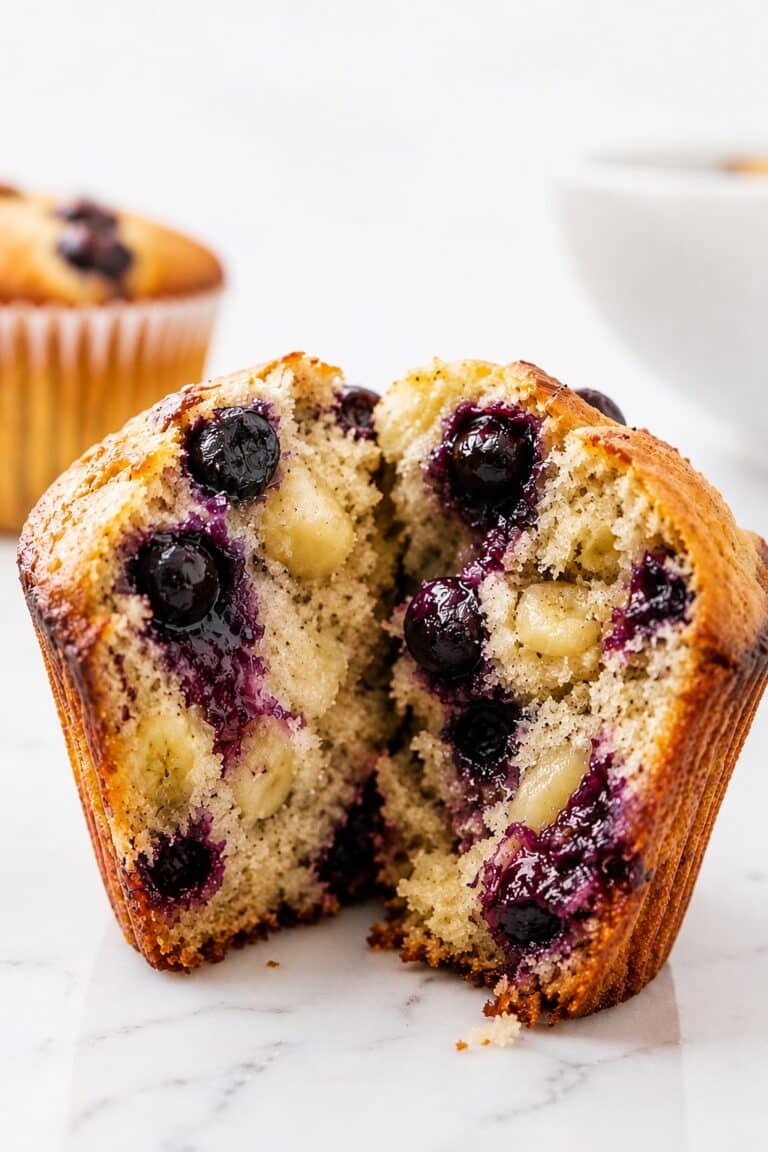
- Banana Blueberry Muffins: Bring together banana sweetness and blueberry pockets for a gentler fruit combination.
Cozy Muffins with a Different Flavor
When you want another individual breakfast bake but a different flavor, pumpkin, banana, chocolate, and carrot give the muffin pan a new direction. Choose according to the mood of the next breakfast.
- Pumpkin Muffins: Keep the autumn breakfast feeling and make pumpkin the focus.
- Pumpkin Chocolate Chip Muffins: Choose pumpkin with chocolate when you want a richer sweet bite.
- Banana Chocolate Chip Muffins: Try a familiar banana-and-chocolate pairing for another coffee-break batch.
- Carrot Cake Muffins: Follow the spiced-baking direction with the character of carrot cake in muffin form.
Beyond the Muffin Pan
For a change in shape and serving, keep the citrus, butter, or cranberry theme while moving beyond individual muffins. A sliced cake, a scone, or a cookie offers a different kind of bite.
- Lemon Cake Recipe: Stay with bright citrus and serve it as a sliceable cake.
- Pound Cake: Choose a buttery cake when you want neat slices alongside coffee.
- Scones Recipe: Explore another breakfast-baking texture when a muffin is not quite what you want.
- White Chocolate Cranberry Cookies: Carry the cranberry theme into cookies with a sweeter chocolate pairing.
Why These Cranberry Orange Muffins Belong in Your Recipe Box
There is room for a tart, citrus-scented muffin among sweeter breakfast favorites. Keep these in the rotation for mornings when you want buttery crumbs on top and a bright cranberry bite underneath.
- Seasonal Continuity. Cranberry and orange give you a familiar flavor to return to when cool-weather breakfasts call for something bright.
- Repeatable Portions. The measured batter and topping shares give you a practical reference when you want the next tray to look evenly filled.
- Texture Recognition. Learning to distinguish fruit juice from wet batter is a useful habit to carry into other fruit-filled muffins.
- Streusel Practice. Keeping cold crumbs loose gives you a simple topping skill to bring to another crumb-topped bake.
- A Brunch Standby. A tart citrus muffin adds a different flavor to a collection of sweeter breakfast favorites.
A Final Note on Cranberry Orange Mornings
The cranberry’s sharpness is part of what makes these muffins appealing. Against the buttery crumb and brown sugar topping, those red pockets keep the flavor lively without needing a sugary drizzle.
They suit a morning when a warm plate of muffins feels more inviting than another slice of toast, or a brunch where something with a little tartness has a welcome place among the sweet bakes.
Leave the finish simple: uneven golden crumbs, a few flashes of cranberry, and the fragrance of orange as a muffin is opened. That is plenty to bring to the table.

Cranberry Orange Muffins with Buttery Streusel
Tender cranberry orange muffins with fresh orange zest, tart cranberry pockets, and a buttery brown sugar streusel. This hand-mixed recipe makes twelve standard muffins for breakfast, brunch, or a warm coffee break.
Ingredients
For the Muffin Batter
- 2 cups all-purpose flour (240 g), spooned and leveled
- 1 tablespoon double-acting baking powder (12 g)
- 1/2 teaspoon fine salt (3 g)
- 1/2 cup granulated sugar (100 g)
- 1 tablespoon finely grated fresh orange zest (about 6 g), orange layer only
- 1/2 cup unsalted butter (113 g), melted and cooled until lukewarm
- 2 large eggs (about 100 g without shells), at room temperature
- 3/4 cup whole milk (180 ml), at room temperature
- 1 cup fresh or frozen cranberries (100 g)
For the Streusel Topping
- 1/2 cup all-purpose flour (60 g), spooned and leveled
- 1/3 cup packed light brown sugar (71 g)
- 1/4 teaspoon ground cinnamon (about 0.5 g)
- 1/4 cup unsalted butter (57 g), cold and cubed
Instructions
- Prepare the oven and pan. Preheat a conventional oven to 375°F (190°C) with a rack in the center. Line one light-colored metal 12-cup standard muffin pan with paper liners. Let the oven heat fully before you start combining the batter. What you should see: twelve lined wells and a fully heated oven ready for the filled pan.
- Make and chill the streusel. In a small bowl, combine 1/2 cup flour (60 g), 1/3 cup packed light brown sugar (71 g), and 1/4 teaspoon cinnamon. Cut in 1/4 cup cold cubed butter (57 g) with a fork or your fingertips until small, irregular crumbs form. Refrigerate while you prepare the batter. What you should see: loose crumbs that hold together when pinched, with no pockets of dry flour and no greasy paste.
- Prepare the fruit and orange sugar. Wash and thoroughly dry 1 cup fresh cranberries (100 g), or keep the same weight of frozen cranberries in the freezer until needed. In a medium bowl, rub 1 tablespoon finely grated orange zest (about 6 g) into 1/2 cup granulated sugar (100 g) with your fingertips for about 30–60 seconds. What you should see: fragrant sugar that looks lightly damp, with fine orange flecks rather than long peel strips or white pith.
- Combine the dry and wet mixtures separately. Whisk 2 cups flour (240 g), 1 tablespoon double-acting baking powder (12 g), and 1/2 teaspoon fine salt (3 g) in a large bowl. Whisk 2 large eggs and 3/4 cup whole milk (180 ml) into the orange sugar, then gradually whisk in 1/2 cup melted, lukewarm butter (113 g), about 95–105°F (35–40°C). What you should see: an even dry mixture and a blended wet mixture without large pieces of solid butter.
- Fold and add the cranberries. Pour the wet mixture into the dry ingredients. Fold with a flexible spatula until only a few streaks of flour remain. Add the cranberries and finish folding just until no dry pockets are left, reaching down to the bottom of the bowl without beating the batter smooth. What you should see: thick, scoopable batter with small lumps and berries distributed throughout. Stop once the flour is incorporated; the surface does not need to look silky.
- Portion and top. Divide the batter evenly among the twelve prepared wells, approximately 72 g per well, aiming for about three-quarters full before adding the topping. Divide the chilled streusel over them, approximately 15–16 g per muffin. Scatter it loosely and bake immediately. What you should see: similar batter levels and an even share of topping, with distinct crumbs still visible. The estimated weights are a portioning guide for the standard pan.
- Bake to the center cues. Bake at 375°F (190°C), beginning the first check at 20 minutes. Fresh-berry muffins usually need about 20–25 minutes; frozen berries may take longer. Check the crumb between berries, continuing in 2-minute intervals if the center is not yet set. What you should see: golden streusel, a set dome that springs back gently, and a tester without wet batter. A red juice mark alone does not mean the batter is raw; check another crumb area away from a berry if needed.
- Cool before serving. Let the muffins rest in the pan for 5 minutes, then lift them carefully onto a cooling rack. Leave them on the rack for at least 15 minutes before serving warm. Let any muffins being packed or frozen cool completely. What you should see: muffins that lift without the base tearing, with the crumb becoming firmer as steam escapes on the rack.
Notes
- Baking time: allow 20–25 minutes with fresh cranberries and begin checking at 20 minutes. Frozen cranberries may need longer. The total time of 65 minutes includes 20 minutes of preparation, up to 25 minutes of baking, and at least 20 minutes of cooling before warm serving. Full cooling for packing takes longer.
- Cranberries and orange: use fresh berries washed and dried, or 100 g frozen berries without thawing. Use the full tablespoon of fine orange zest, avoiding white pith. Dried cranberries, cranberry sauce, or extra orange juice change the moisture balance and are not equal swaps.
- Pan and portions: use twelve standard muffin wells of about 100 ml each. The batter and topping weights are approximate portioning guides. Mini and jumbo pans need different portioning and baking checks.
- Storage: cool completely, then cover and enjoy within 1–2 days in a cool room for best texture. The streusel softens during storage.
- Freezing: wrap fully cooled muffins individually and seal in a freezer container for up to two months for best quality. Thaw wrapped until the center is no longer frozen, then unwrap before serving or warming.
- Make ahead and warm: measure the dry ingredients and prepare the streusel ahead, keeping the topping refrigerated. Combine the batter only when ready to bake. Warm a thawed, unwrapped muffin in short microwave increments until just warm; microwaving softens the topping.
Nutrition Information:
Yield: 12 Serving Size: 1 muffinAmount Per Serving: Calories: 274Total Fat: 13gSaturated Fat: 8gCholesterol: 63mgSodium: 225mgCarbohydrates: 35gFiber: 1gSugar: 15gProtein: 4g
Nutrition information is provided as an estimate only and may vary based on specific ingredients, brands, and portion sizes used. This information should not be considered medical or nutritional advice.
12 Sweet Favorites — Yours, Free 🍰
Tiramisù, no-bake cheesecake, the perfect chocolate chip cookie & 9 more reader-loved desserts — gathered into one beautiful free recipe book. From my kitchen to yours.
No spam, just sweet things. Unsubscribe anytime.