Buttermilk Pancakes (Fluffy, Easy & Perfect Every Time)
🎁 FREE E-BOOK: 12 Sweet Favorites — reader-loved desserts in one beautiful recipe book.
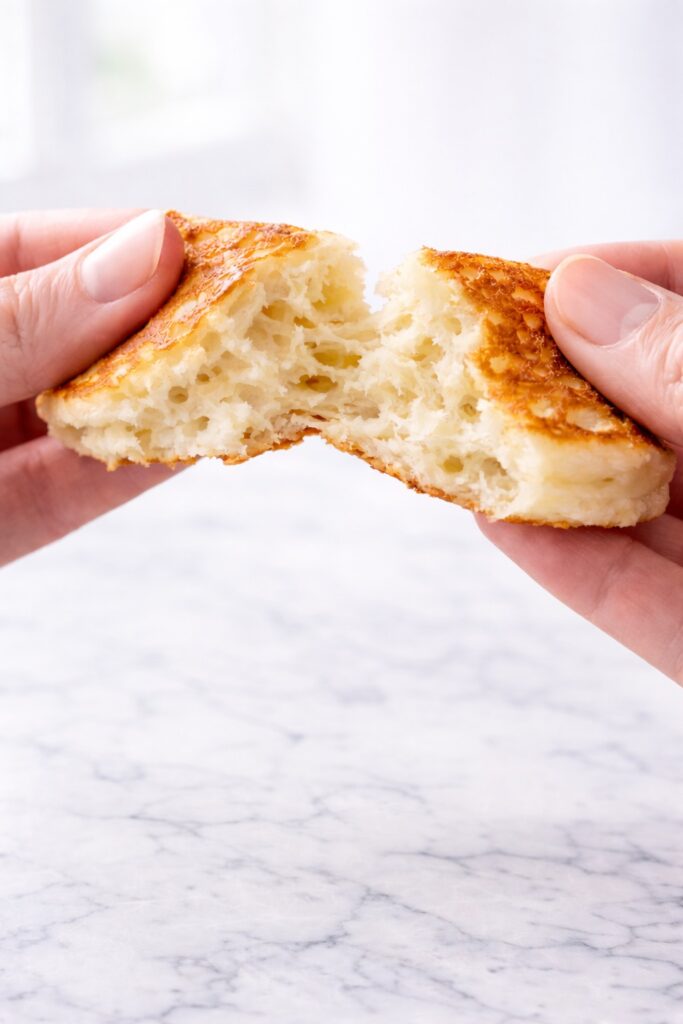
There’s something quietly comforting about a stack of warm buttermilk pancakes. The way they rise softly in the pan, the faint sizzle as bubbles form, the smell of butter and vanilla filling the kitchen — it feels like slow mornings, cozy weekends, and a moment where everything pauses just a little.
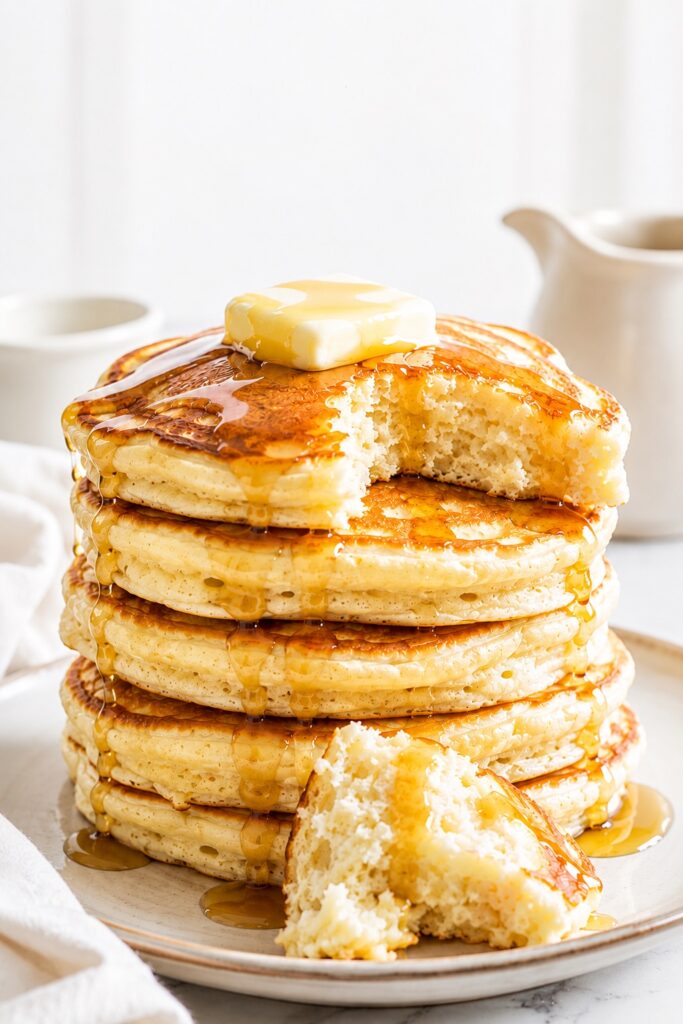
This buttermilk pancake recipe is all about that perfect balance: light, fluffy interiors with delicate golden edges that melt slightly when you add butter on top. It’s simple, reliable, and deeply satisfying in a way that keeps people coming back to it again and again.
It’s also the kind of recipe people save instantly. No complicated techniques, no special equipment — just a bowl, a whisk, and a batter that transforms into something soft, airy, and beautifully tender on the griddle.
If you’ve ever had pancakes that felt dense or flat, this version changes everything. It’s forgiving, cozy, and quietly impressive — the kind of breakfast that turns an ordinary morning into something you actually look forward to.
I’ve tested this recipe over and over, and the biggest difference always comes down to how gently you mix the batter. The less you work it, the softer and fluffier the pancakes turn out.
What Are Buttermilk Pancakes?
Buttermilk pancakes are soft, fluffy pancakes made with buttermilk, a slightly acidic dairy ingredient that helps create a light and airy texture. The acidity of buttermilk reacts with baking soda or baking powder, helping the batter rise and resulting in a light, airy texture. They are known for their tender crumb, slightly tangy flavor, and golden edges, making them a classic choice for breakfast and brunch.
Unlike regular pancakes made with milk, buttermilk pancakes have a more tender crumb, deeper flavor, and a subtle richness that makes them especially popular for weekend breakfasts and brunch, much like other cozy morning recipes such as French Toast.
Quick Recipe Overview
| Category | Details |
|---|---|
| Texture | Soft, fluffy interior with lightly crisp golden edges |
| Flavor | Buttery, lightly tangy, subtly sweet |
| Difficulty | Easy |
| Time | 20 minutes |
| Servings | 8–10 pancakes |
| Method | Stovetop / griddle |
| Best For | Breakfast, brunch, cozy weekends |
In short: These buttermilk pancakes are soft, fluffy, and golden, with just enough tang from the buttermilk to make them feel special without being complicated.
If you’ve struggled with pancakes that turn out flat, dense, or unevenly cooked, the next section breaks down exactly what makes the difference — and how to fix it every time.
Why This Recipe Works
The beauty of this recipe comes down to balance:
- Moisture: Buttermilk keeps the batter hydrated while adding a slight acidity that enhances tenderness
- Structure: Flour and eggs create a stable base that holds the air bubbles without collapsing
- Fat: Melted butter adds richness and helps create those delicate golden edges
- Heat: Medium heat allows the pancakes to cook through evenly without burning the outside
A few small but important insights:
- Letting the batter rest for 5–10 minutes gives the flour time to hydrate, making the pancakes noticeably softer
- Slight lumps in the batter are actually a good sign — overmixing leads to dense pancakes
- The first pancake is often a “test pancake” — and honestly, it almost always turns out a little uneven (that’s completely normal)
One small thing I’ve noticed: even when everything else is right, pancakes can turn out differently depending on your pan. A slightly thicker pan or griddle holds heat more evenly, which helps the pancakes rise better and cook more consistently.
What Makes Buttermilk Pancakes Soft and Fluffy
Two simple reactions make these pancakes fluffy:
- Acid + Leavening Reaction: Buttermilk reacts with baking soda to produce carbon dioxide bubbles, which lift the batter
- Steam Expansion: As the batter heats, moisture turns to steam, helping the pancakes rise even more
This is why you’ll see bubbles forming on the surface — it’s the batter actively building structure. For a deeper baking explanation, King Arthur also breaks down why pancake batter structure matters so much.
One small detail that makes a big difference: if the batter sits too long before cooking, some of those air bubbles start to weaken. That’s why pancakes are often fluffiest when cooked shortly after mixing and resting.
Ingredients
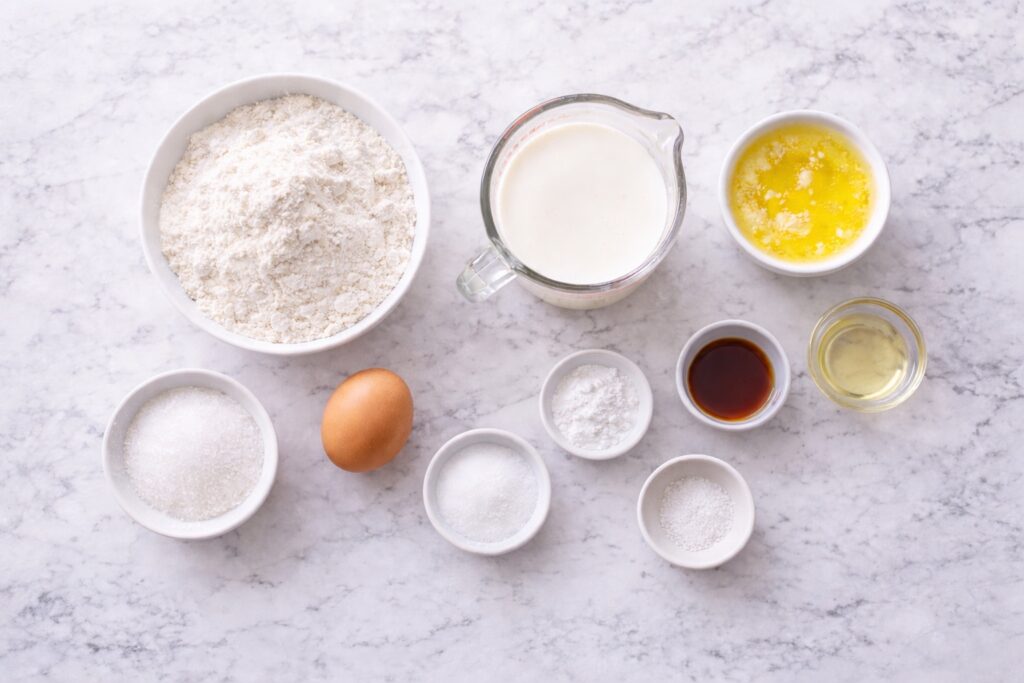
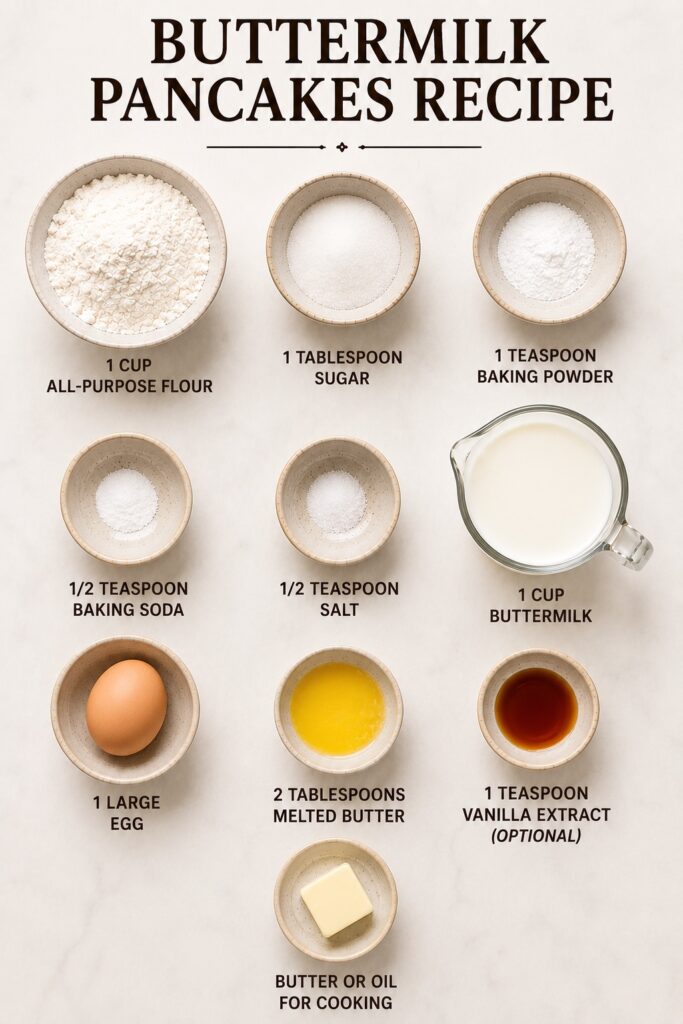
- 1 cup all-purpose flour
- 1 tablespoon sugar
- 1 teaspoon baking powder
- 1/2 teaspoon baking soda
- 1/2 teaspoon salt
- 1 cup buttermilk
- 1 large egg
- 2 tablespoons melted butter
- 1 teaspoon vanilla extract (optional)
- Butter or oil for cooking
Ingredient Intelligence
Buttermilk
- Adds acidity → activates baking soda
- Creates tenderness and a soft crumb
- Substitution: mix 1 cup milk + 1 tablespoon lemon juice or vinegar, or use this guide on how to make buttermilk if you want a quick homemade option.
Egg
- Provides structure and binds ingredients
- Helps create a slightly richer texture
Butter
- Adds flavor and helps create golden edges
- Also improves mouthfeel (that soft melt when warm)
If your buttermilk is slightly thicker than usual, your batter will naturally be fluffier — thicker batter = taller pancakes.
Flour (small but important detail)
Flour controls the overall structure of the pancakes. Too little and the batter spreads too much; too much and the pancakes become dense. A properly balanced batter should slowly spread on the pan, not run. If your batter feels too thick after resting, adding 1–2 tablespoons of buttermilk helps loosen it without losing structure. That same balance between batter thickness and final texture is also important in recipes like Waffle Recipe, where structure affects how soft or crisp the final result feels.
Kitchen Tools You’ll Need
- Mixing bowls
- Whisk or fork
- Non-stick pan or griddle
- Spatula
Practical note: A non-stick surface makes a huge difference here — especially when flipping softer, thicker pancakes.
How to Make Buttermilk Pancakes
To make buttermilk pancakes, mix dry ingredients, whisk wet ingredients separately, combine gently into a slightly lumpy batter, let it rest briefly, then cook on a lightly greased pan until bubbles form and the pancakes are golden on both sides.
1. Mix the dry ingredients
In a bowl, whisk together flour, sugar, baking powder, baking soda, and salt.
Visual cue: The mixture should look evenly combined with no visible clumps.
2. Combine the wet ingredients
In another bowl, whisk buttermilk, egg, melted butter, and vanilla.
Tip: Make sure the butter isn’t too hot — it should feel warm, not hot to the touch.
3. Make the batter
Pour the wet ingredients into the dry ingredients and gently mix.
Visual cue: The batter should be slightly lumpy — not smooth.
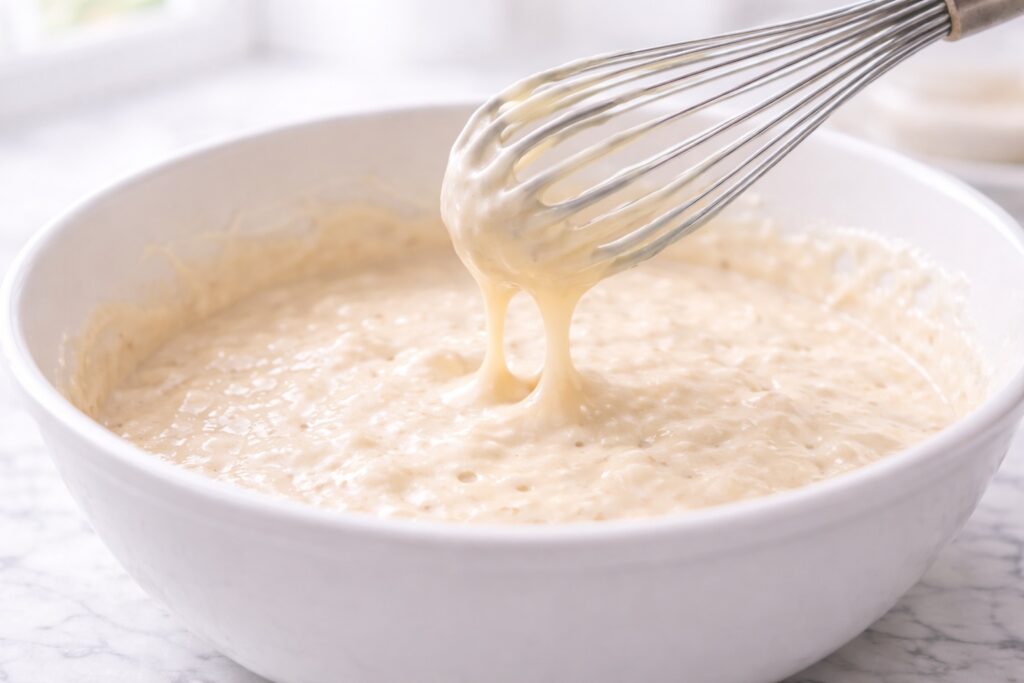
If you overmix a little, don’t panic. It still works, just slightly less fluffy.
4. Let the batter rest
Let the batter sit for 5–10 minutes.
Visual cue: It thickens slightly and looks more cohesive.
5. Heat the pan
Heat a non-stick pan over medium heat and lightly grease it.
Visual cue: A drop of water should sizzle gently, not aggressively.
6. Cook the pancakes
Pour about 1/4 cup batter per pancake.
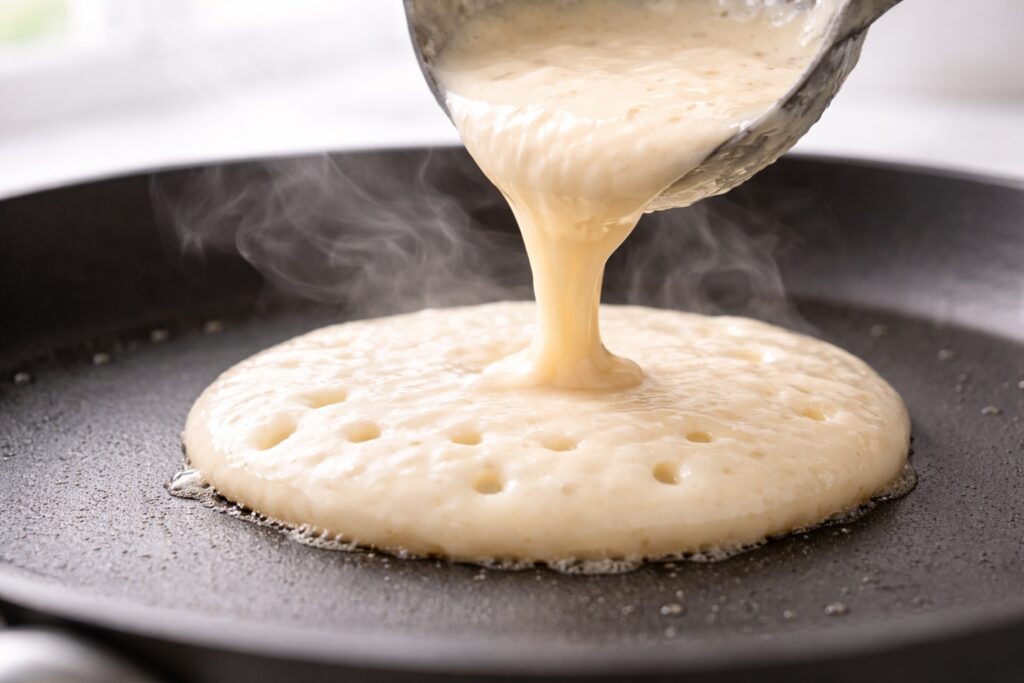
Cook until bubbles form on the surface and edges look set (about 2–3 minutes).
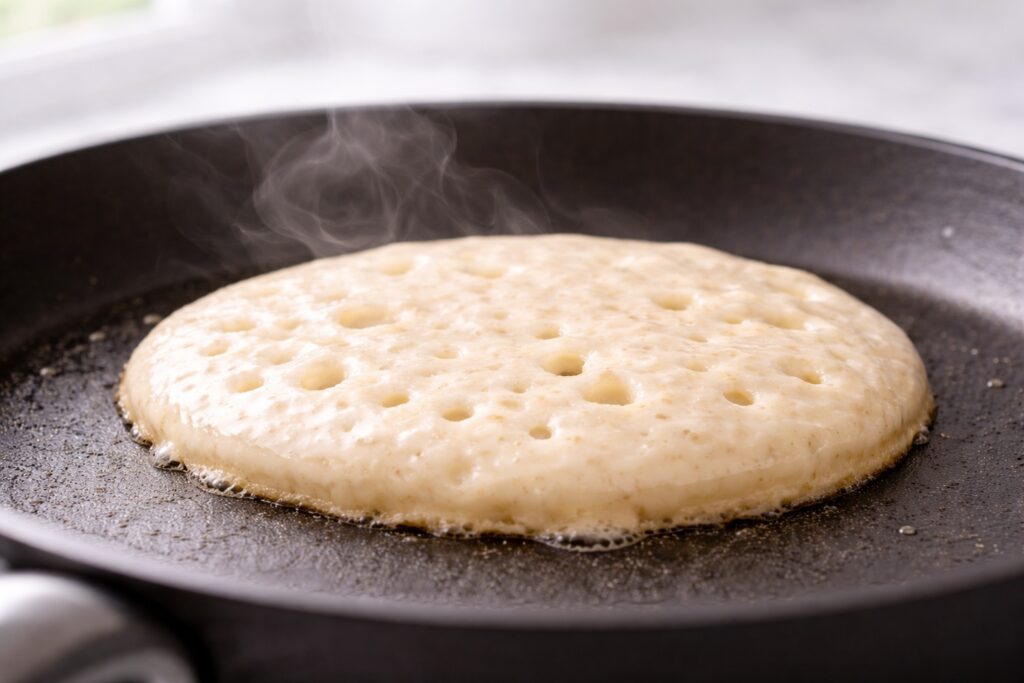
If your first pancake browns too quickly or unevenly, don’t adjust the batter — just slightly lower the heat. It’s almost always a pan temperature issue, not the recipe.
Sometimes the second or third pancake looks completely different from the first — that’s normal. Once the pan stabilizes, everything starts to even out. The same kind of pan and heat control also matters in recipes like Crepe Recipe, where texture depends heavily on consistency and timing.
If the pancakes seem to spread more than expected, it usually means the batter is slightly too thin — this can happen depending on your flour or buttermilk consistency, and it’s completely normal.
Flip and cook another 1–2 minutes.
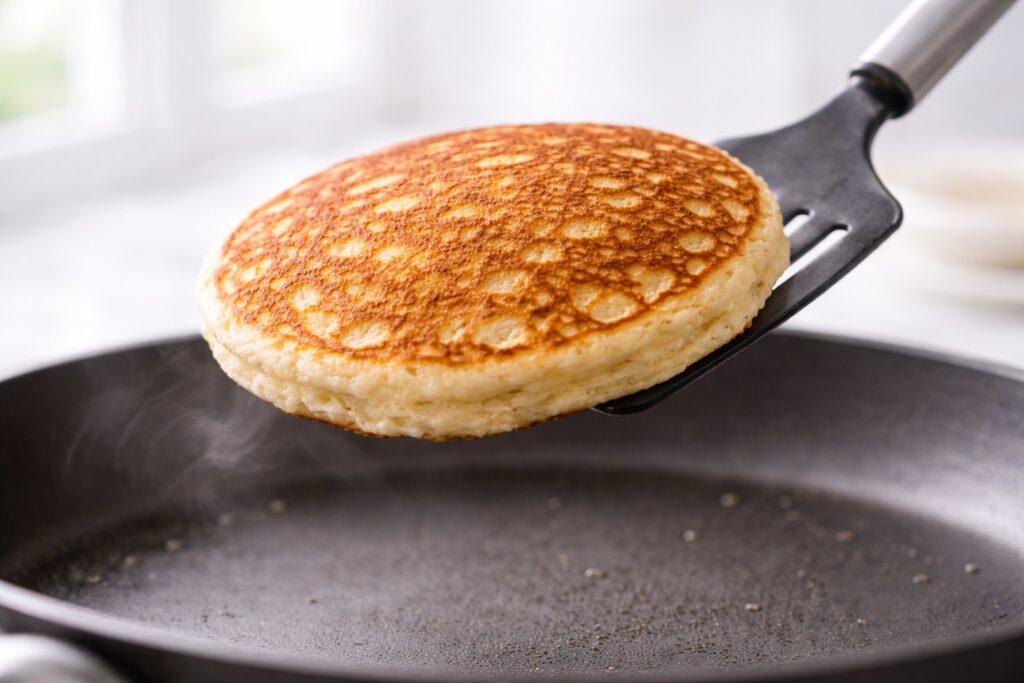
Visual cue: Golden brown surface, soft but set center.
7. Serve warm
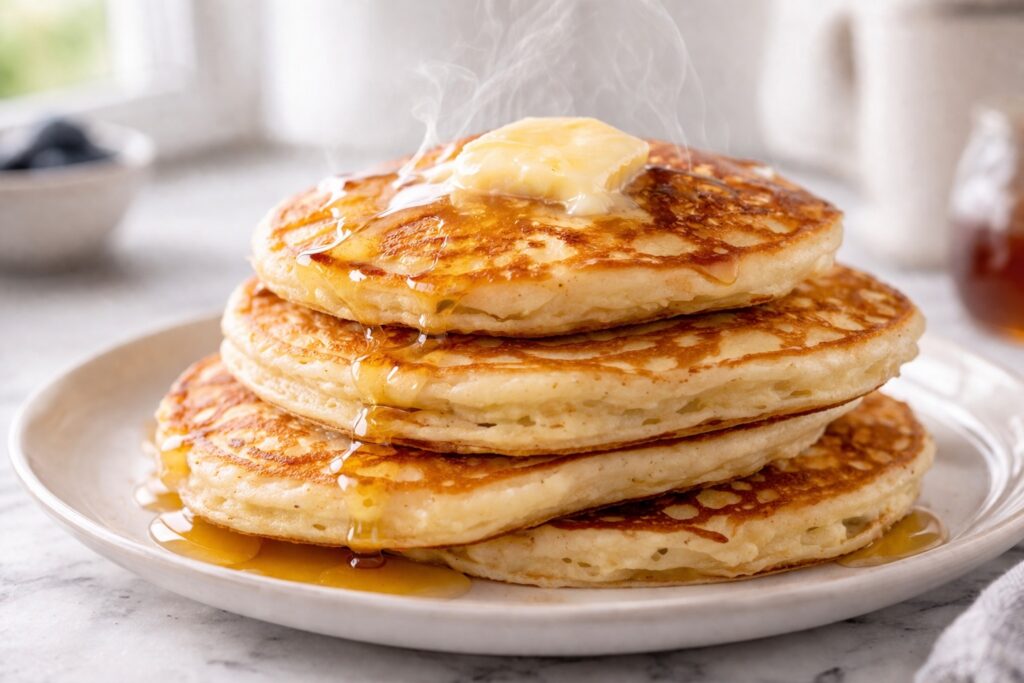
Stack and serve immediately with butter and syrup.
How to Tell When Pancakes Are Ready to Flip
- Bubbles form and pop on the surface
- Edges look slightly dry and set
- Bottom is golden brown (not pale, not too dark)
- Pancake lifts easily without sticking
- Center feels soft but not wet
How Pancake Batter Changes as It Cooks
| Stage | What to Expect |
|---|---|
| Batter | Thick, slightly lumpy, and pourable |
| After Resting | Slightly thicker, more cohesive, and lightly aerated |
| During Cooking | Bubbles form on the surface while the edges begin to look set first |
| Interior | Soft, airy, fluffy, and tender |
| Exterior | Lightly crisp, golden, and delicate rather than hard |
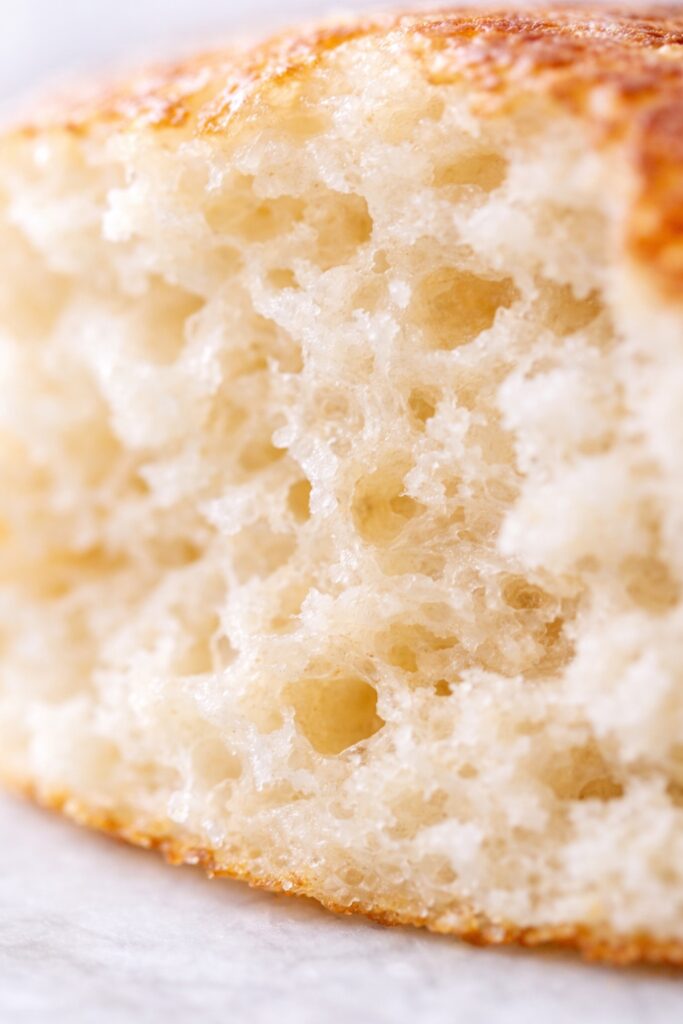
Simple Tips That Make Pancakes Turn Out Better Every Time
- Don’t overmix — lumps are your friend. A slightly lumpy batter traps air better and keeps the pancakes soft. Overmixing develops gluten, which leads to a denser texture. Serious Eats also explains this well in their guide to light and fluffy pancakes.
- Let the batter rest before cooking. This allows the flour to fully hydrate and the leavening to activate, resulting in noticeably fluffier pancakes.
- Cook on medium heat, not high. Pancakes need time to rise and set internally. Too much heat cooks the outside too fast before the inside has a chance to develop structure.
- Flip only once for better structure. Flipping multiple times deflates the air pockets inside. A single flip keeps the interior light and airy.
- Watch the bubbles — they tell you when to flip. When bubbles form and start to pop, and the edges look set, the pancake has built enough structure to turn without collapsing.
- Slightly thicker batter makes taller pancakes. A thicker batter holds air better and spreads less, which helps create that soft, fluffy height.
- Adjust the heat between batches. The pan often gets hotter over time. Lower the heat slightly if later pancakes brown too quickly — this keeps the texture consistent.
Why Pancakes Turn Out Flat (and How to Fix Them)
- Overmixing the batter → dense, rubbery pancakes
Fix: Mix just until the ingredients are combined. The batter should stay slightly lumpy — that’s what keeps the pancakes soft and fluffy. - Cooking on too high heat → burnt outside, raw inside
Fix: Use medium heat. The pancakes should cook slowly enough to rise and set before browning too quickly. - Skipping the resting step → flatter, less tender pancakes
Fix: Let the batter rest for 5–10 minutes to allow the flour to hydrate and the structure to develop. - Batter too thin → flat, spread-out pancakes
Fix: Add 1–2 tablespoons of flour if needed. The batter should be thick but still pourable. - Flipping too early → uneven cooking and weak structure
Fix: Wait until bubbles form and the edges look set before flipping — this means the structure is ready. - Cold pan → pale pancakes with uneven texture
Fix: Preheat the pan properly. A drop of water should sizzle gently when it hits the surface.
Buttermilk Pancakes vs Regular Pancakes
| Version | Texture | Flavor | Best For |
|---|---|---|---|
| Buttermilk Pancakes | Fluffy, soft, tender | Buttery, lightly tangy | Classic cozy breakfasts and brunch |
| Regular Pancakes | Slightly denser, less tender | More neutral, milder | Simple everyday breakfasts |
| Protein Pancakes | Heavier, more filling | Often less rich, more functional | High-protein breakfasts and post-workout meals |
How to Serve Buttermilk Pancakes
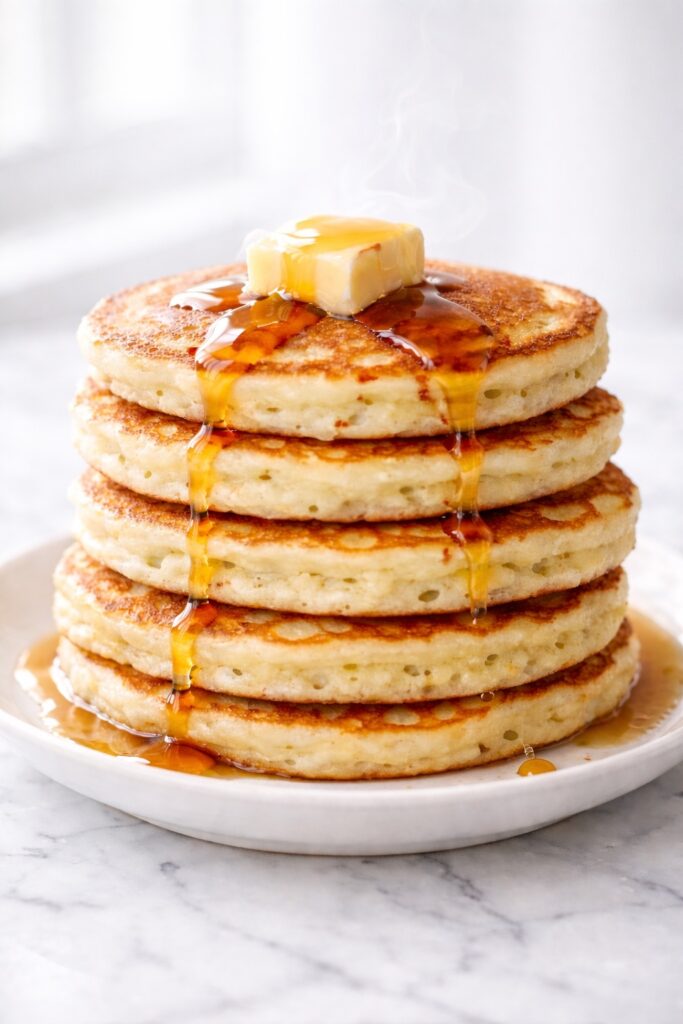
Serve these pancakes stacked high, with a small pat of butter slowly melting into the warm layers and maple syrup cascading down the sides. Add fresh berries or a dusting of powdered sugar for a simple but beautiful finish.
For a fuller breakfast spread, they pair beautifully with something fresh and simple like Fruit Salad.
If you’re making these for the first time, try serving them simple — just butter and syrup. It’s the easiest way to really notice how soft and fluffy they turn out.
They feel just as right on a quiet Sunday morning as they do on a slow brunch table with coffee nearby.
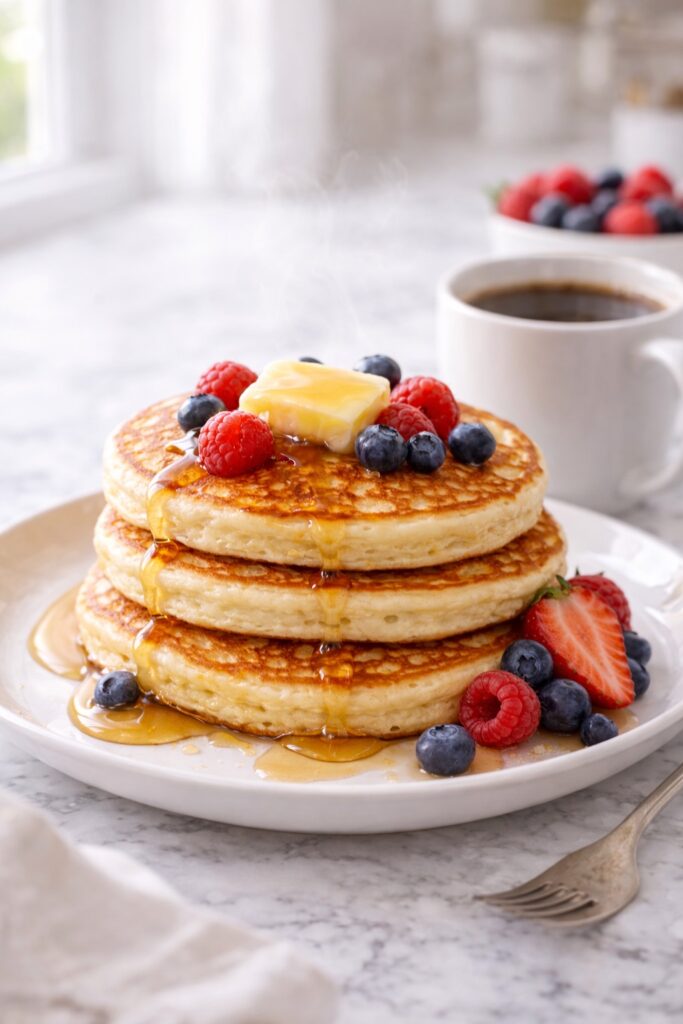
Save this for those slow weekend mornings when you want something warm, fluffy, and completely comforting without overthinking breakfast.
How to Store and Reheat Pancakes
- Store in the fridge for up to 3 days
- Reheat in a pan or microwave
- Freeze up to 2 months (separate with parchment)
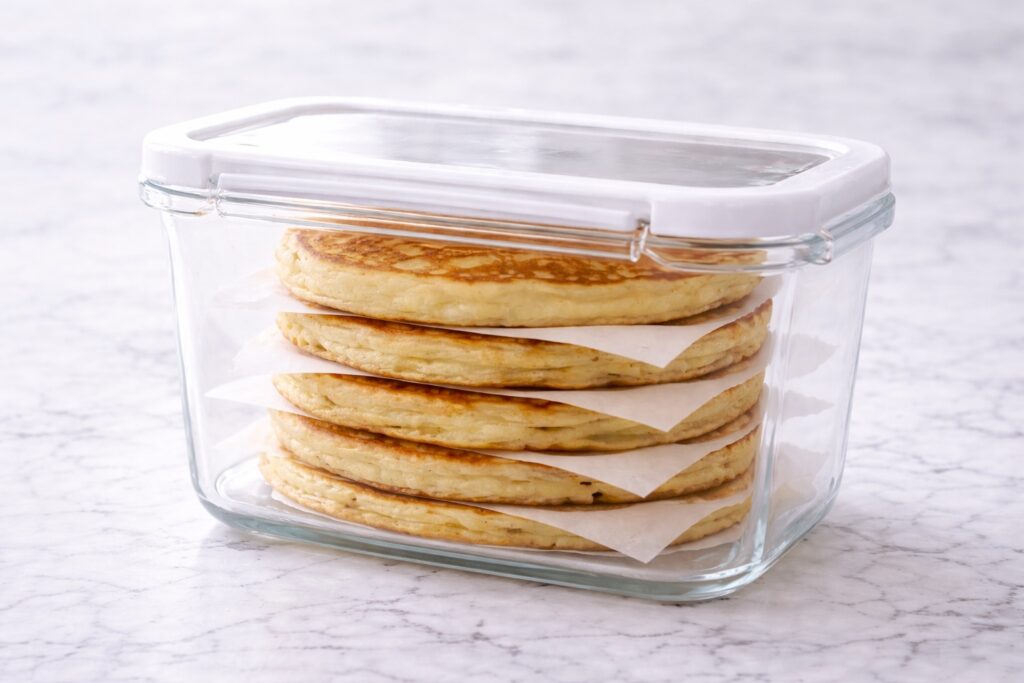
Make ahead tip: You can prepare the dry and wet ingredients separately and combine just before cooking. If you enjoy breakfast recipes that work well for slower mornings, Baked Oatmeal is another great make-ahead option to keep in rotation.
Easy Variations You Can Try
- Blueberry Pancakes: Add fresh blueberries to the batter
- Chocolate Chip Pancakes: Sprinkle chips directly onto the batter in the pan
- Whole Wheat Version: Replace half the flour with whole wheat flour
- Banana Pancakes: Add mashed banana for extra softness
- Cinnamon Pancakes: Add 1/2 teaspoon cinnamon for warmth
Sourdough Buttermilk Pancakes
If you already keep sourdough starter in your kitchen, this sourdough buttermilk pancake variation is a beautiful way to give the classic recipe a deeper, cozier flavor without losing that soft, fluffy pancake texture.
The sourdough adds a gentle tang and a slightly more complex bakery-style flavor, while the buttermilk keeps the pancakes tender, airy, and classic. The result is still very much a buttermilk pancake — just with a little more depth, warmth, and homemade character.

How to Adjust the Batter
To make sourdough buttermilk pancakes from this recipe, add 1/2 cup active sourdough starter or sourdough discard to the wet ingredients.
Because sourdough starter already contains flour and water, reduce the base recipe slightly:
- Reduce the all-purpose flour by about 1/4 cup.
- Reduce the buttermilk by about 1/4 cup, only if the batter feels too loose.
Sourdough Buttermilk Pancakes Ingredients
- 3/4 cup all-purpose flour
- 1 tablespoon sugar
- 1 teaspoon baking powder
- 1/2 teaspoon baking soda
- 1/2 teaspoon salt
- 3/4 cup buttermilk
- 1/2 cup sourdough starter or sourdough discard
- 1 large egg
- 2 tablespoons melted butter
- 1 teaspoon vanilla extract (optional)
- Butter or oil for cooking
The batter should feel thick, airy, and slightly lumpy. If your sourdough starter is very thick, you can add 1–2 tablespoons extra buttermilk to loosen the batter slightly.
It should slowly spread on the pan rather than run across the surface.
Texture and Flavor Cues
Sourdough buttermilk pancake batter may look slightly thicker and a little more elastic than the classic version. That is normal. The starter gives the batter a softer, creamier structure and helps create pancakes with golden edges and an extra tender center.
As they cook, the pancakes should puff gently, form bubbles on the surface, and turn golden underneath before flipping. Inside, they should feel soft, airy, and slightly more complex in flavor, with a delicate sourdough tang that pairs beautifully with butter and maple syrup.
Best Tips for Sourdough Buttermilk Pancakes
- Use active starter for more lift. Active sourdough starter can make the pancakes slightly puffier and lighter.
- Use discard for deeper flavor. Sourdough discard adds tang and complexity without making the recipe feel complicated.
- Do not overmix. A gently mixed, slightly lumpy batter gives the softest texture.
- Adjust only if needed. Different starters have different hydration levels, so add a spoonful of flour or buttermilk only if the batter texture feels off.
- Cook on medium heat. Sourdough batter can brown a little faster, so keep the heat steady and gentle.
How to Serve Them
Serve sourdough buttermilk pancakes warm with salted butter, maple syrup, and fresh berries. Their deeper, lightly tangy flavor makes them perfect for slow weekend mornings, cozy breakfasts, and those days when you want a classic pancake recipe to feel just a little more special.
Frequently Asked Questions
Why are buttermilk pancakes fluffy?
Buttermilk pancakes are fluffy because the acidity in buttermilk reacts with baking soda to create carbon dioxide bubbles, which expand during cooking and make the pancakes light and airy.
If you enjoy experimenting with pancake texture, you might also like Protein Pancakes, which have a slightly heartier structure but still feel satisfying and homemade.
Can I make pancakes using only baking powder?
Yes, but the texture will be slightly different. Baking soda reacts with buttermilk for extra lift, while baking powder works on its own. Using both creates a better balance of rise and tenderness.
What makes pancakes soft instead of dense?
Pancakes stay soft when the batter is mixed gently, not overworked, and allowed to rest. This prevents excess gluten development and helps retain air bubbles for a lighter texture.
Can I use regular milk instead of buttermilk?
Yes, but the pancakes will be less tender. Add lemon juice or vinegar to mimic buttermilk.
Why are my pancakes not fluffy?
Most likely from overmixing or skipping the resting step.
How do I know when to flip?
When bubbles form and edges look set.
Can I freeze pancakes?
Yes, they freeze very well and reheat easily.
Why is my first pancake always weird?
The pan is still adjusting temperature — totally normal.
More Breakfast Recipes You’ll Love
If you love the soft, fluffy texture of these buttermilk pancakes, there are a few different directions you can explore next — from classic breakfast favorites to pancake variations and cozy recipes that help turn a simple morning into something a little more special.
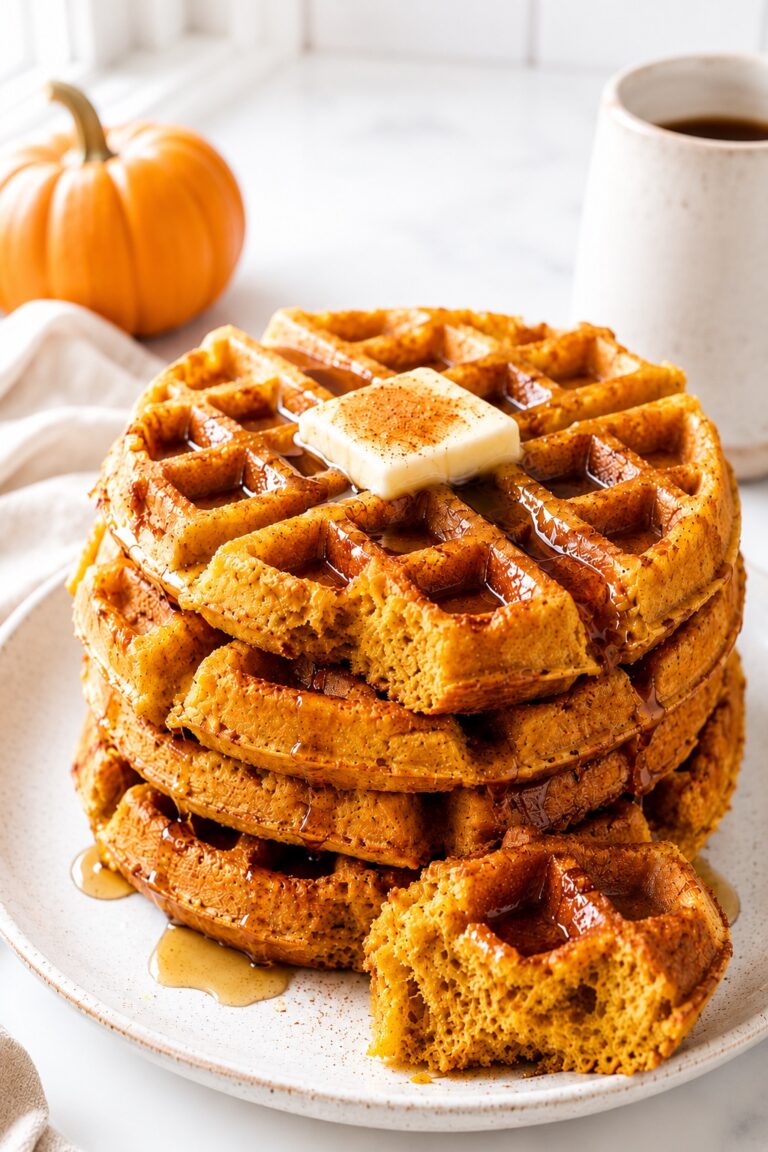
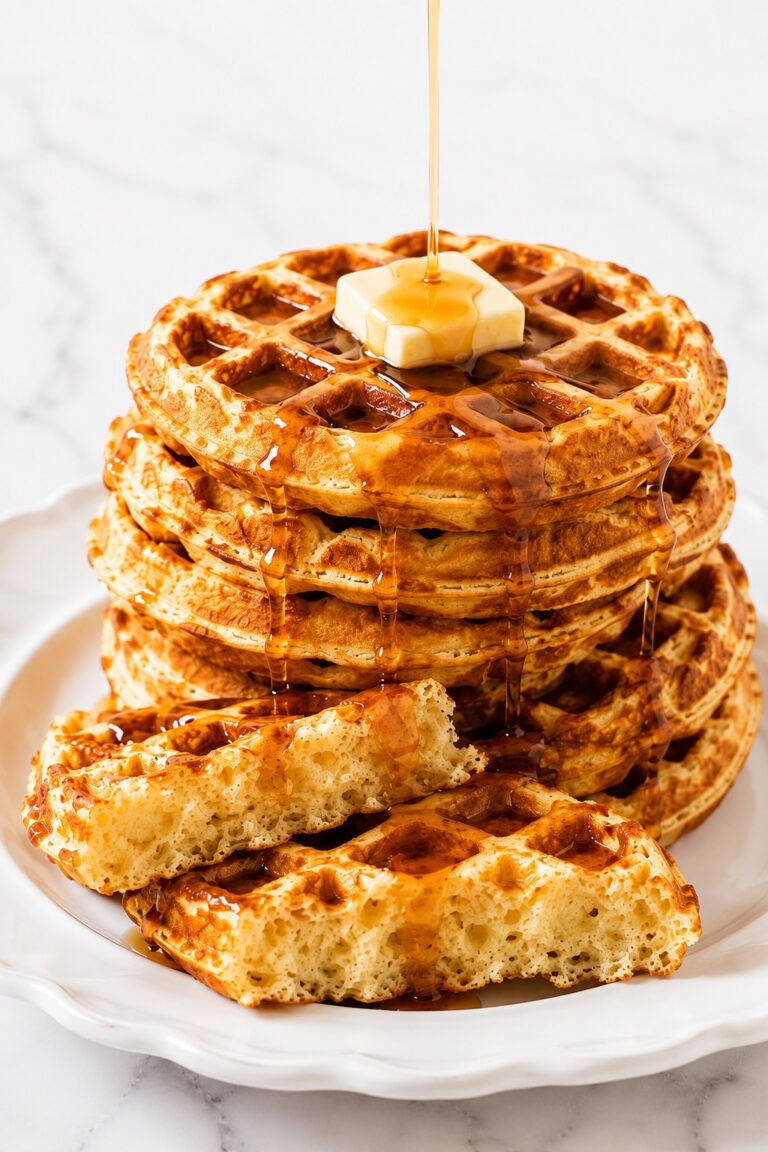
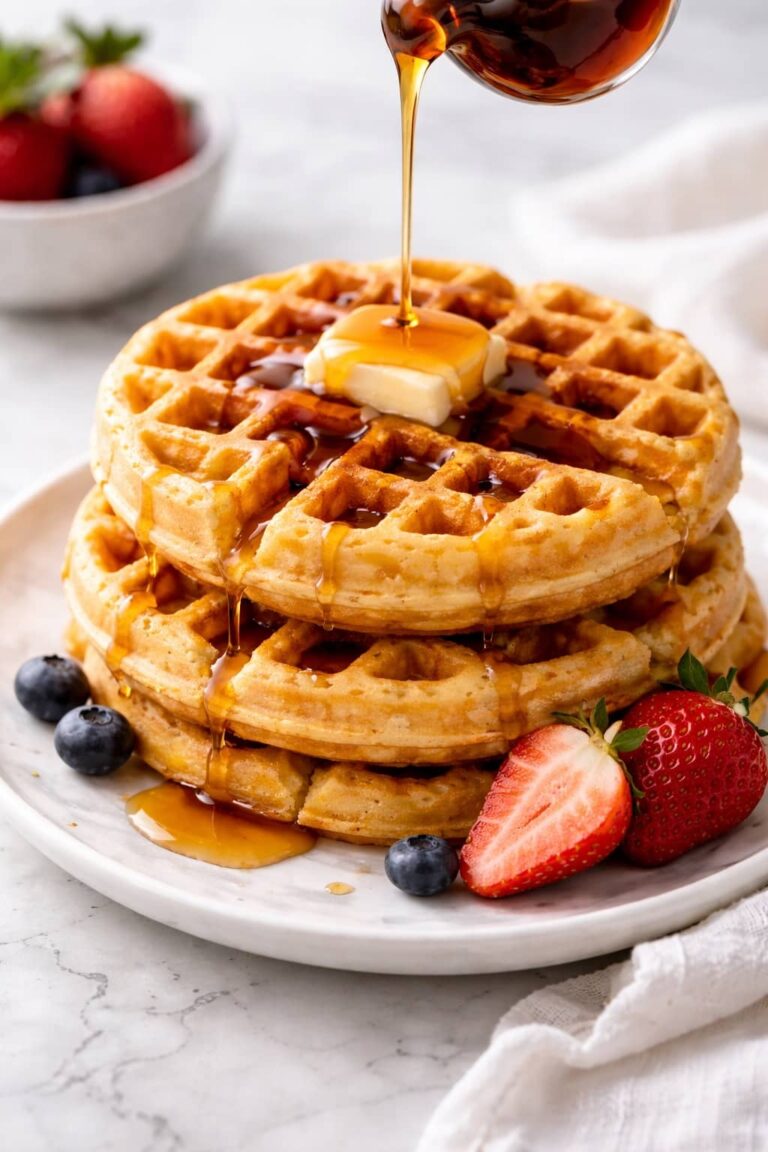
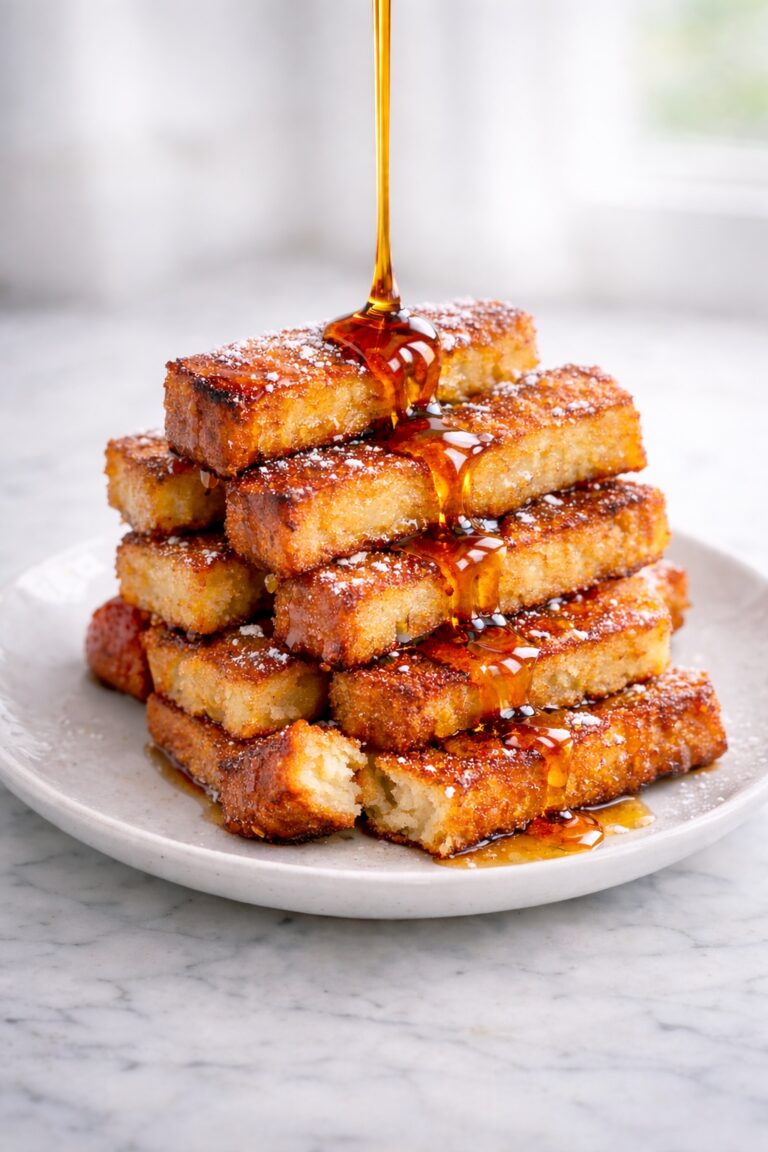
Quick picks: If you want something closest in texture, try Waffle Recipe. For a richer, more custardy breakfast option, go for French Toast Recipe.
Classic Breakfast Favorites
- Waffle Recipe – crisp on the outside, soft and airy inside, with that same warm homemade feel
- French Toast Recipe – golden and custardy with a richer, more indulgent texture
- French Toast Casserole – soft, baked, and perfect for slow weekend mornings
- Crepe Recipe – lighter, thinner, and more delicate, but still beautifully cozy
Pancake Variations to Try
- Banana Pancakes – naturally sweet and extra soft with a more tender interior
- Blueberry Pancakes – fluffy pancakes with bursts of fresh fruit throughout
- Protein Pancakes – a slightly heartier option that still feels warm and satisfying
- Cottage Cheese Pancakes – creamy, tender pancakes with a softer, richer bite
More Cozy Morning Ideas
- Baked Oatmeal Recipe – warm, soft, and comforting, perfect for a slower breakfast
- Fruit Salad – bright, fresh, and refreshing alongside a stack of pancakes
- Sheet Pan Pancakes – an easy option when you want pancake flavor with less hands-on cooking
- Cinnamon Roll Pancakes – sweeter, richer, and perfect when breakfast needs to feel extra special
Each of these recipes follows the same idea: simple ingredients, balanced texture, and that warm homemade feeling that makes breakfast something you actually look forward to.
Recipe Summary
This buttermilk pancake recipe delivers soft, fluffy pancakes with lightly crisp golden edges and a subtle tangy flavor. The balance of buttermilk, gentle mixing, and proper heat creates a batter that rises beautifully and cooks into tender, airy layers. Small details like resting the batter and controlling the heat make a noticeable difference, turning a simple breakfast into something consistently reliable and worth coming back to.
A Simple Pancake Recipe You’ll Keep Coming Back To
There’s a quiet kind of joy in recipes like this — the ones that don’t try too hard but always deliver. These pancakes aren’t complicated, but they feel special every time you make them.
They’re the kind of recipe you come back to without thinking, the one you make when you want something warm, familiar, and just a little bit comforting.
And once you get that texture right — soft, airy, perfectly golden — it’s hard to go back to anything else.
It’s simple enough for everyday mornings, but dependable enough to become the pancake recipe you trust for years.
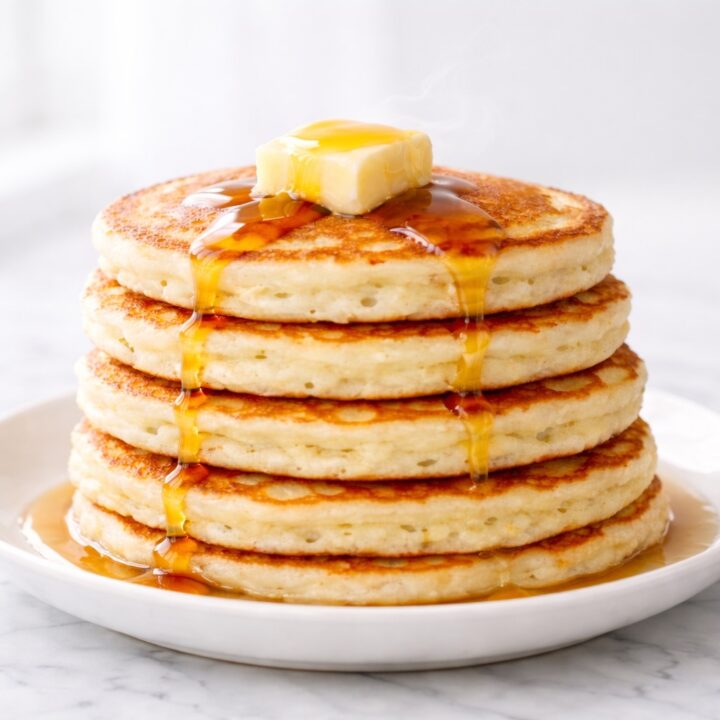
Buttermilk Pancakes (Soft & Fluffy Every Time)
Soft, fluffy buttermilk pancakes with a light, airy texture and golden edges. This easy pancake recipe uses simple ingredients and a balanced technique to create tender, perfectly cooked pancakes every time — ideal for cozy breakfasts or weekend brunch.
Ingredients
- 1 cup all-purpose flour
- 1 tablespoon sugar
- 1 teaspoon baking powder
- 1/2 teaspoon baking soda
- 1/2 teaspoon salt
- 1 cup buttermilk
- 1 large egg
- 2 tablespoons melted butter
- 1 teaspoon vanilla extract (optional)
- Butter or oil for cooking
Instructions
- In a bowl, whisk together flour, sugar, baking powder, baking soda, and salt until evenly combined.
- In another bowl, whisk buttermilk, egg, melted butter, and vanilla until smooth.
- Pour the wet ingredients into the dry ingredients and gently mix until just combined.
The batter should be slightly lumpy — do not overmix. - Let the batter rest for 5–10 minutes to allow the flour to hydrate and the batter to thicken slightly.
- Heat a non-stick pan over medium heat and lightly grease it.
- Pour about 1/4 cup of batter per pancake.
Cook until bubbles form on the surface and the edges look set (about 2–3 minutes). - Flip and cook for another 1–2 minutes until golden brown and cooked through.
- Serve warm with butter and maple syrup.
Notes
- Slight lumps in the batter are normal and help create a softer texture
- Resting the batter improves fluffiness and structure
- Medium heat is key — too high will burn the outside before the inside cooks
- The first pancake may not turn out perfect — this helps adjust pan temperature
- Slightly thicker batter produces taller, fluffier pancakes
Nutrition Information:
Yield: 10 pancakes Serving Size: 2 pancakesAmount Per Serving: Calories: 180Total Fat: 8gCarbohydrates: 22gFiber: 1gSugar: 4gProtein: 5g
Nutrition information is estimated and may vary based on ingredients and portion sizes.
12 Sweet Favorites — Yours, Free 🍰
Tiramisù, no-bake cheesecake, the perfect chocolate chip cookie & 9 more reader-loved desserts — gathered into one beautiful free recipe book. From my kitchen to yours.
No spam, just sweet things. Unsubscribe anytime.