Lemon Cake Recipe + Delicious Variations
🎁 FREE E-BOOK: 12 Sweet Favorites — reader-loved desserts in one beautiful recipe book.
Lemon cake is a soft, buttery cake made with fresh lemon juice, fragrant lemon zest, and simple pantry ingredients. Known for its bright citrus flavor and tender crumb, it is often baked in round cake pans and served plain, glazed, or frosted with lemon or cream cheese frosting.
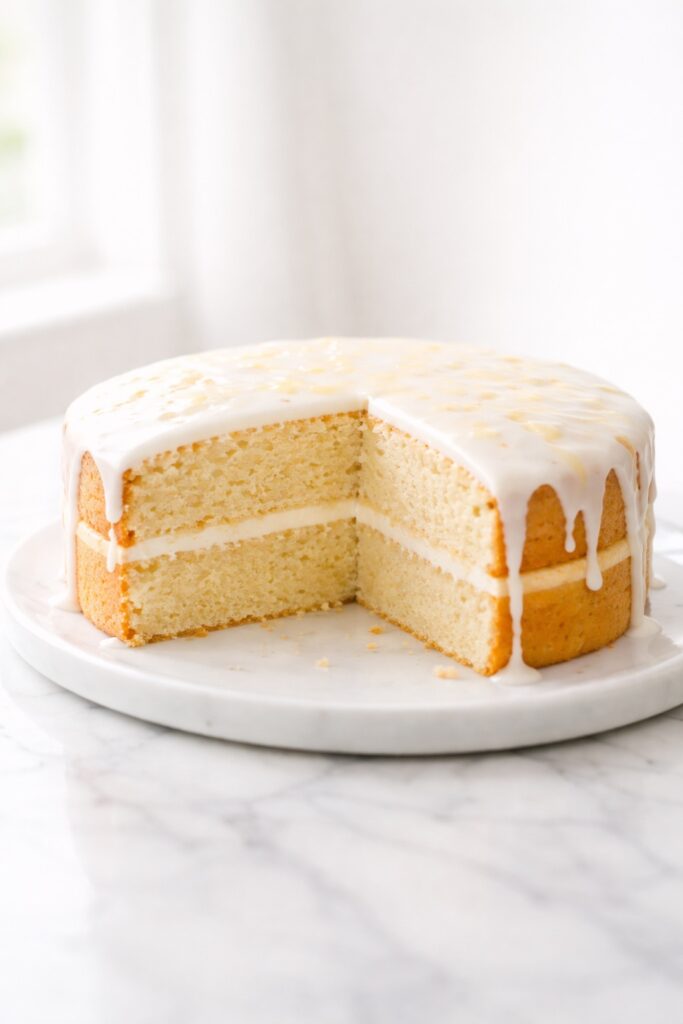
This lemon cake recipe has a tender, buttery crumb and a bright citrus flavor that feels fresh and balanced rather than overly sharp. Butter and buttermilk keep the texture soft and delicate, while lemon juice and zest bring a clean, cheerful finish.
A lemon cake cooling on the counter has a simple homemade charm. As the golden layers settle, the kitchen fills with the warm scent of butter and citrus. It is the kind of cake that feels bright, comforting, and quietly special even before the first slice is served.
One thing I’ve noticed after baking this cake multiple times is how well it holds its texture even the next day. The crumb stays soft and light, and the lemon flavor actually feels a little more rounded after resting, which makes it a great make-ahead option.
This easy lemon cake recipe is perfect for spring desserts, Easter baking, brunch tables, afternoon coffee cakes, and classic homemade cake lovers. Once you bake it, it quickly becomes one of those dependable recipes that you return to again and again.
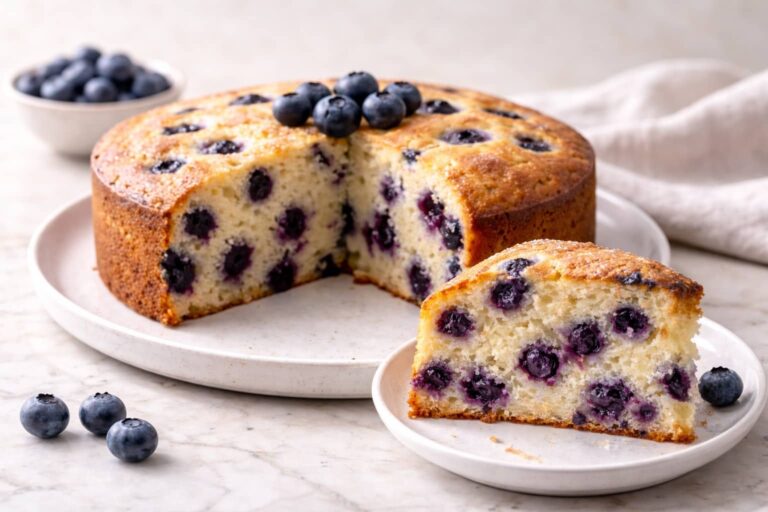
If you enjoy citrus desserts, you might also love this lemon blueberry cake, which combines fresh berries with the same soft and tender crumb.
Lemon Cake Recipe Overview
| Detail | Value |
|---|---|
| Texture | Soft, moist, tender crumb |
| Flavor | Buttery, bright citrus |
| Difficulty | Easy |
| Prep Time | 20 minutes |
| Bake Time | 30–35 minutes |
| Total Time | 55 minutes |
| Yield | 12 slices |
| Best For | Spring desserts, brunch, Easter |
In simple terms: This lemon cake is light, tender, and balanced, with a soft crumb and a clean, fresh citrus flavor.
There is something effortlessly comforting about a simple lemon cake. Soft, buttery layers infused with fresh lemon zest and juice create a dessert that feels light, bright, and quietly indulgent. Whether baked for a slow afternoon at home, a spring gathering, or a casual celebration, this lemon cake brings together classic flavor and a tender crumb that keeps every slice soft and satisfying.
Why You’ll Love This Lemon Cake
- Soft, moist, buttery crumb
- Fresh lemon flavor from real juice and zest
- Simple ingredients and easy mixing method
- Beautiful for spring, brunch, Easter, showers, or everyday baking
- Delicious plain, glazed, or frosted
- Holds its texture well and slices beautifully
Light citrus cakes like lemon cake are especially popular during spring and early summer, when bright fruit flavors feel fresh and uplifting. Because of its soft crumb and balanced sweetness, this cake fits beautifully on Easter dessert tables, spring brunch menus, and sunny afternoon gatherings.
What This Lemon Cake Tastes Like
This cake has a tender, buttery crumb with a bright lemon flavor that tastes fresh and natural rather than overly sour. The citrus comes through clearly, but it stays balanced by the richness of butter and the softness of the cake itself.
It is the kind of lemon dessert that feels sunny and comforting at the same time. The flavor is clean, soft, and elegant, especially when paired with a light lemon glaze or a dusting of powdered sugar.
If you enjoy desserts like pound cake, lemon cookies, or vanilla cupcakes, this lemon cake gives you that same cheerful citrus character in an easy, sliceable layer cake form.
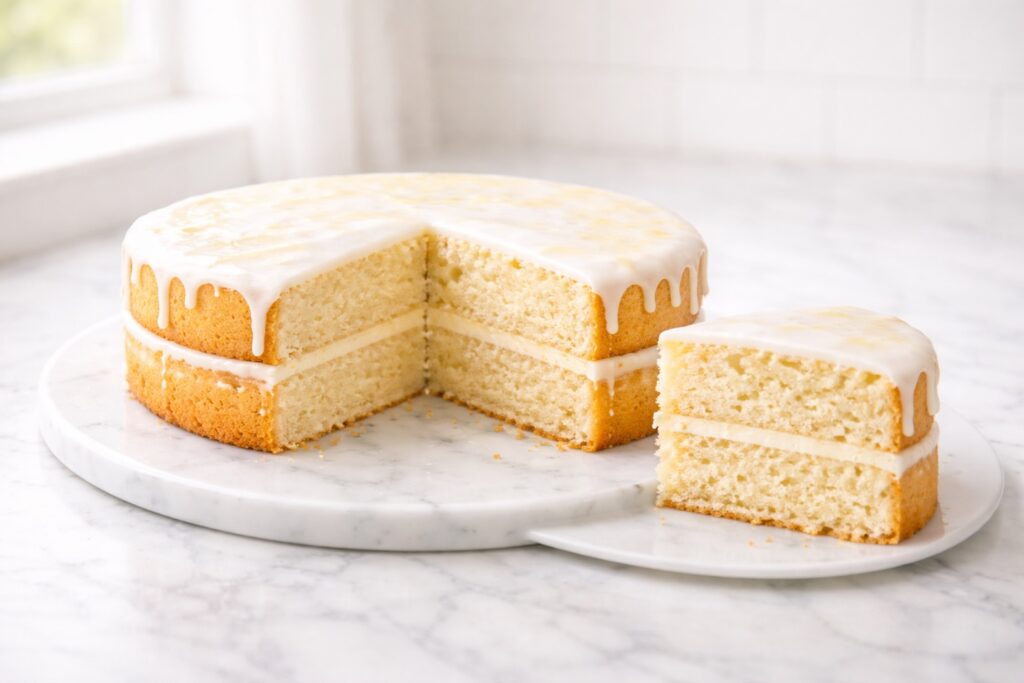
Why Lemon Cake Stays Soft and Moist
A tender lemon cake depends on the balance of moisture, acidity, and proper mixing technique. Ingredients like butter, eggs, lemon juice, and buttermilk help create a moist crumb, bright flavor, and a cake that stays light rather than dense.
Using room temperature ingredients also helps the batter emulsify properly. When butter, eggs, and buttermilk blend smoothly, the cake bakes with a finer, more even crumb.
Because lemon juice and buttermilk are naturally acidic, they interact with baking soda and baking powder to help the cake rise. These reactions create a light, delicate crumb rather than a dense cake, a baking principle explained in more detail by King Arthur Baking.
Baking Science Behind Lemon Cake
Lemon cake may seem simple, but its soft texture and balanced citrus flavor depend on a few key baking reactions happening in the batter and oven.
The combination of butter, sugar, eggs, flour, and acidic ingredients like lemon juice and buttermilk creates a delicate structure that needs to be both stable and tender at the same time.
How Acidity Affects Lemon Cake Texture
Lemon juice and buttermilk are naturally acidic. When combined with baking soda, they create carbon dioxide gas, which helps the cake rise and develop a light crumb.
This reaction is what gives lemon cake its soft, airy texture instead of a dense or heavy structure.
Small baking insight: Too much acid without enough structure can weaken the batter, which is why balancing lemon juice with flour and eggs is essential.
Why Creaming Butter and Sugar Matters
During the creaming process, sugar crystals cut into the butter and create tiny air pockets. These air pockets expand in the oven and help lift the cake.
This step is one of the main reasons lemon cake can feel light and tender instead of dense.
Under-creaming often leads to a tighter crumb, while properly creamed butter creates a softer and more even texture.
How Moisture Is Balanced in Lemon Cake
A good lemon cake balances multiple sources of moisture: butter for richness, eggs for structure, buttermilk for tenderness, and lemon juice for brightness.
Each of these ingredients contributes differently, which is why removing or altering one can noticeably change the final texture.
What Creates a Tender Crumb
The tenderness of lemon cake comes from a combination of fat, acidity, and careful mixing.
Fat from butter coats flour particles and limits gluten development, while acidic ingredients further weaken gluten strands, keeping the crumb soft.
Mixing just until combined also prevents overdeveloping gluten, which helps preserve a delicate texture.
These are the key ingredients that give lemon cake its soft texture and bright flavor:
Key Ingredients That Build Flavor and Texture
- Butter – richness and tenderness
- Lemon zest – concentrated citrus aroma
- Lemon juice – brightness and acidity
- Buttermilk – tenderness and lift
- Eggs – structure and stability
- Baking powder and baking soda – rise and light texture
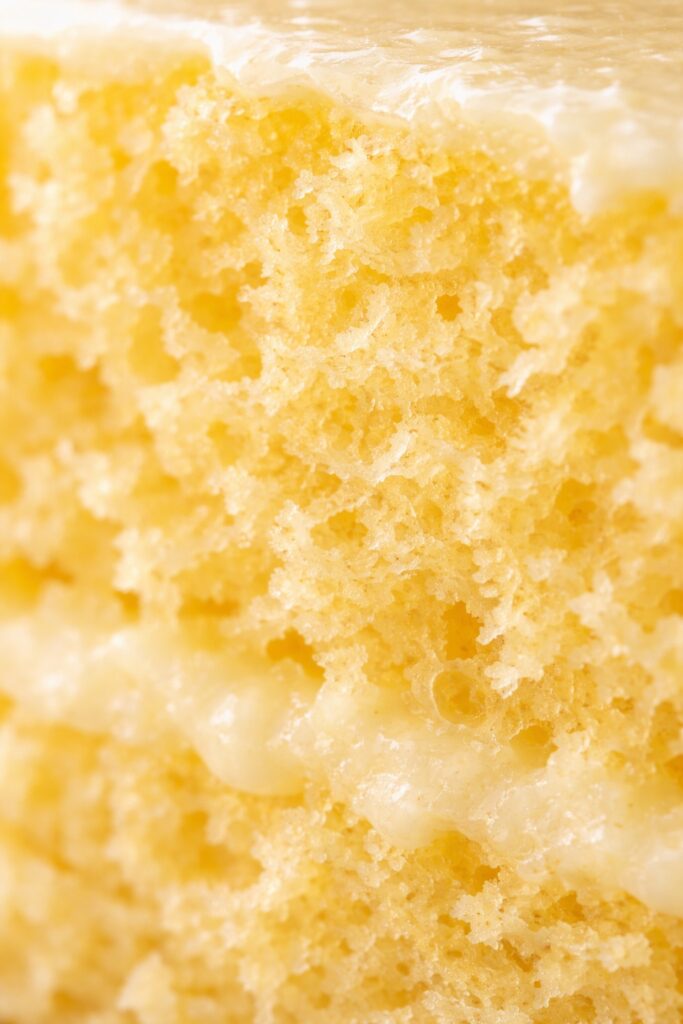
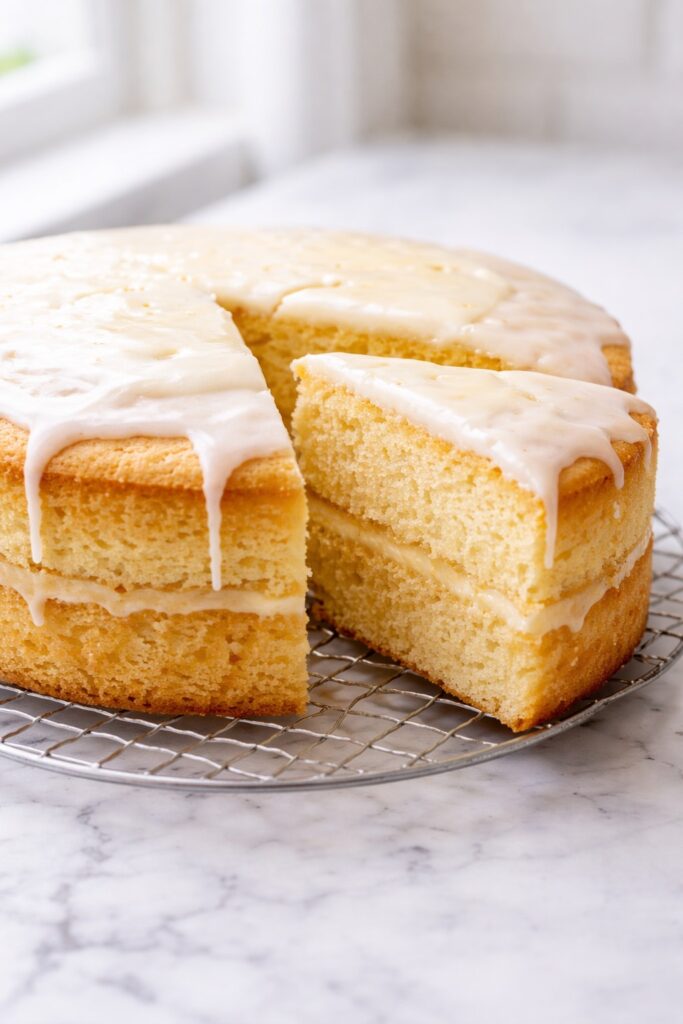
The crumb of this lemon cake is incredibly fine and tender, with a soft, airy structure that stays moist without feeling heavy.
Why Each Ingredient Matters in Lemon Cake
Each ingredient in lemon cake plays a specific role in creating a soft texture, balanced flavor, and stable structure. Understanding how these ingredients work together helps you bake a more consistent and reliable cake.
Butter
Butter adds richness and flavor while helping create a tender crumb. During creaming, it traps air, which contributes to a lighter cake texture.
Granulated Sugar
Sugar sweetens the cake and helps retain moisture. It also supports the creaming process by creating air pockets that expand during baking.
Eggs
Eggs provide structure and stability. They bind the batter together and help the cake set properly while still remaining soft.
Lemon Zest
Lemon zest contains natural citrus oils that deliver the most intense lemon aroma. It is the key ingredient for a bright, fresh citrus flavor.
Lemon Juice
Lemon juice adds acidity and brightness. It enhances flavor and reacts with baking soda to help the cake rise.
Buttermilk
Buttermilk tenderizes the crumb and adds a slight tang that balances sweetness. Its acidity also supports leavening.
Flour
Flour provides the structure of the cake. The right amount ensures the cake holds its shape without becoming dense.
Baking Powder and Baking Soda
These leavening agents help the cake rise and create a light texture. Baking soda reacts with acidic ingredients, while baking powder provides additional lift.
Salt
Salt enhances flavor and balances sweetness, helping the lemon notes taste more defined and less flat.
Small baking insight: Even small changes in ingredient ratios can affect texture significantly, which is why accurate measuring is especially important for cakes.
Ingredient Notes and Substitutions
Although the ingredient list is simple, each component contributes to the cake’s balance of moisture, structure, and bright citrus flavor.
Why Lemon Zest Matters More Than Juice
Most lemon flavor in baking actually comes from the aromatic oils in the zest rather than the juice.
Lemon juice provides brightness and acidity, but the zest carries the deeper citrus aroma that makes lemon desserts taste vibrant and fresh. For the best flavor, use both zest and juice when baking lemon cake.
Substitution: If fresh lemons are unavailable, bottled lemon juice can work in the batter, although the flavor will be milder. Adding extra zest, if available, helps restore the lemon aroma.
Why Buttermilk Improves Lemon Cake
Buttermilk plays several important roles in this cake:
- tenderizes the crumb
- adds a subtle tang that balances sweetness
- reacts with baking soda to help the cake rise
These reactions create a softer cake with a lighter texture.
Substitution: If you do not have buttermilk, add 1 tablespoon lemon juice or vinegar to 1 cup of milk and let it sit for about 5 minutes, or use this easy guide for how to make buttermilk.
Why Creaming Butter and Sugar Is Important
Creaming butter and sugar is more than a simple mixing step. During this process, sugar crystals create tiny air pockets in the butter. These pockets expand during baking and help produce a lighter, softer crumb.
Skipping or rushing this step often leads to a denser cake texture.
Substitution: If needed, neutral oil can replace part of the butter for extra moisture, though the cake will lose some of the classic buttery flavor.
Before starting, bring refrigerated ingredients to room temperature. This helps the batter mix smoothly and ensures the cake bakes evenly.
Quick Ingredient Substitution Guide
| Ingredient | Possible Substitute | Notes |
|---|---|---|
| Buttermilk | 1 cup milk + 1 tablespoon lemon juice or vinegar | Let sit 5 minutes before using. |
| Fresh lemon juice | Bottled lemon juice | Flavor will be milder than fresh. |
| Lemon zest | Lemon extract (very small amount) | Use sparingly to avoid overpowering flavor. |
| Unsalted butter | Neutral oil or salted butter | Oil adds moisture but reduces buttery flavor. |
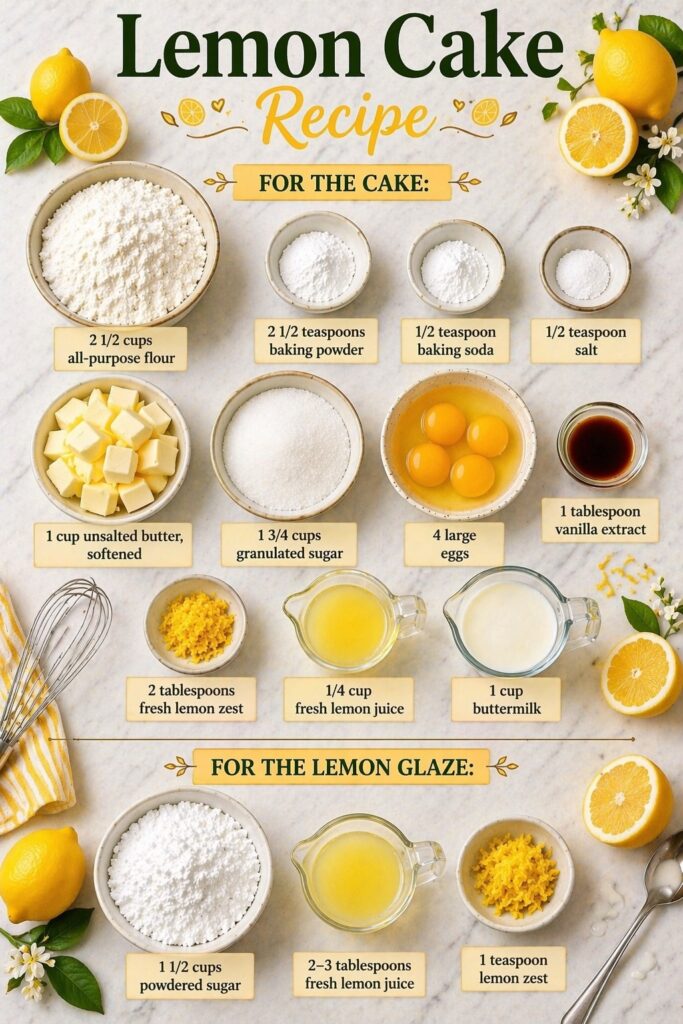
Ingredient List
Lemon Cake
- 2½ cups all-purpose flour
- 2½ teaspoons baking powder
- ½ teaspoon baking soda
- ½ teaspoon salt
- 1 cup unsalted butter, softened
- 1¾ cups granulated sugar
- 4 large eggs, room temperature
- 1 tablespoon vanilla extract
- 2 tablespoons fresh lemon zest
- ¼ cup fresh lemon juice
- 1 cup buttermilk, room temperature
Optional Lemon Glaze
- 1½ cups powdered sugar
- 2–3 tablespoons fresh lemon juice
- 1 teaspoon lemon zest
Optional Lemon Buttercream Frosting
- 1 cup (226 g) unsalted butter, softened
- 4 cups (480 g) powdered sugar, sifted
- 2 tablespoons fresh lemon juice
- 1 tablespoon finely grated lemon zest
- 1 teaspoon vanilla extract
- 1–2 tablespoons heavy cream or milk, as needed
- pinch of salt
Once everything is measured and ready, the process comes together smoothly using a simple creaming method that builds both structure and softness.
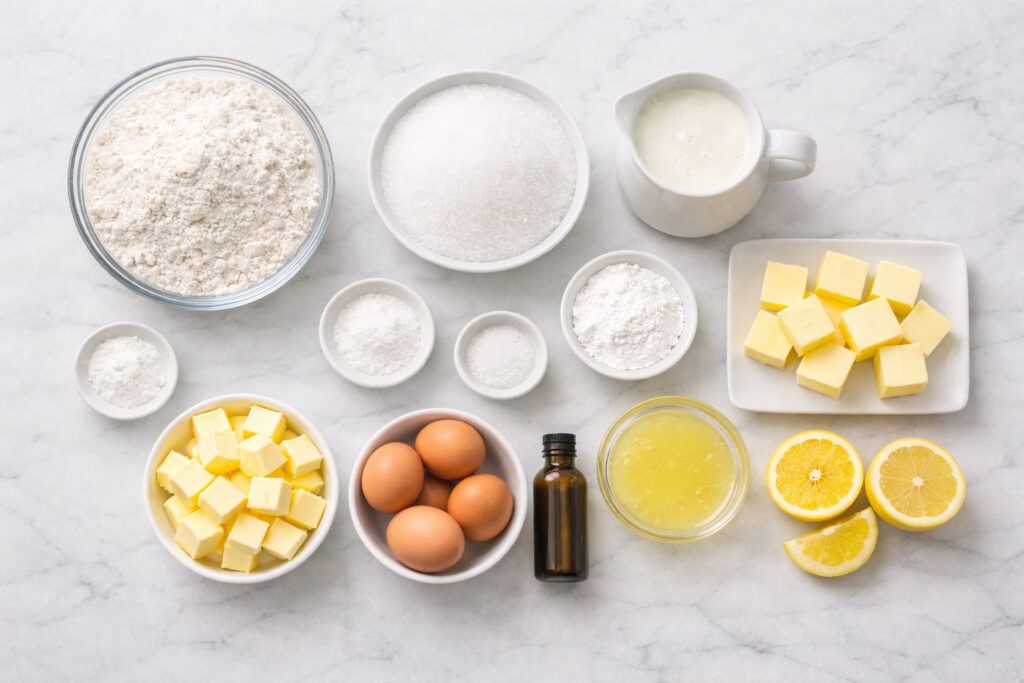
This lemon cake uses simple, familiar ingredients, but the balance between them is what creates that soft, tender crumb and bright citrus flavor. Using both fresh lemon juice and zest makes a noticeable difference, adding depth and freshness that bottled alternatives cannot fully replicate. Measuring everything ahead of time also helps the batter come together smoothly and prevents overmixing.
Equipment You’ll Need
- 2 mixing bowls
- hand mixer or stand mixer
- microplane or zester
- citrus juicer
- rubber spatula
- parchment paper
- two 9-inch round cake pans
- cooling rack
How to Make Lemon Cake
This lemon cake comes together using a classic creaming method that creates a soft, tender crumb. The process is simple and beginner-friendly, but a few small techniques — like properly creaming the butter and alternating the flour and buttermilk — help produce the best texture and flavor.
If your kitchen is warm, the batter tends to come together even more smoothly, creating a slightly softer crumb. It’s a small detail, but it makes a noticeable difference in the final texture.
Follow the steps below for a smooth batter, even cake layers, and a beautifully moist lemon cake.
1. Prepare the oven and pans
Preheat the oven to 350°F (175°C). Grease two 9-inch round cake pans and line the bottoms with parchment paper.
This helps the cake layers release cleanly after baking and prevents sticking.
2. Mix the dry ingredients
In a medium bowl, whisk together the flour, baking powder, baking soda, and salt.
Whisking distributes the leavening evenly so the cake rises uniformly.
3. Cream the butter and sugar
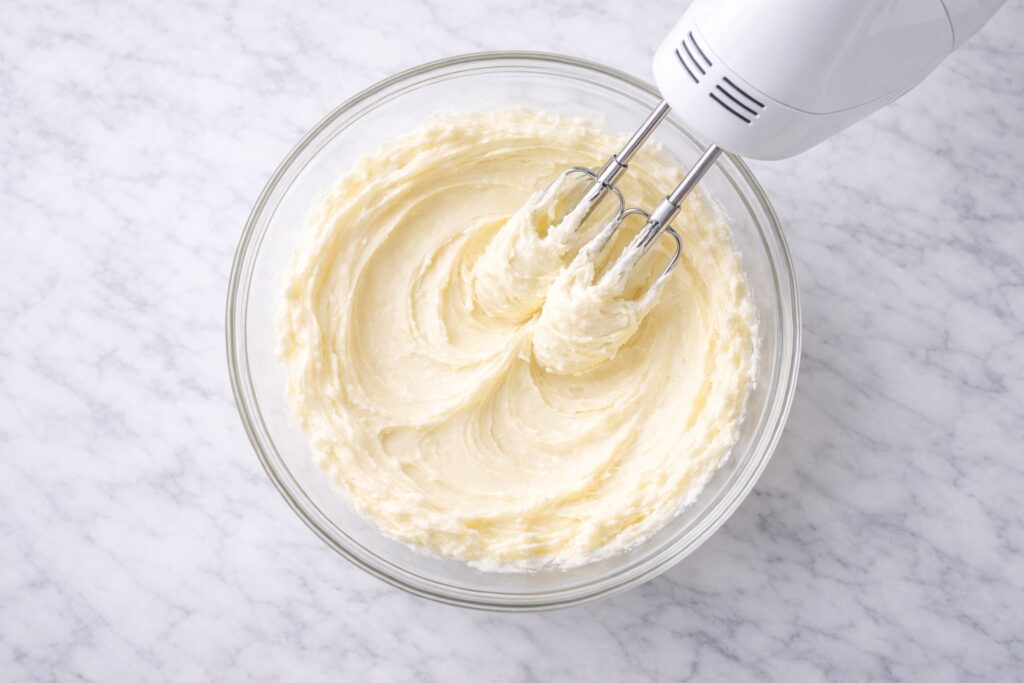
In a large mixing bowl, beat the softened butter and sugar together for about 3–4 minutes until light and fluffy.
The mixture should become noticeably paler and slightly airy as small air pockets form during the creaming process.
4. Add the eggs
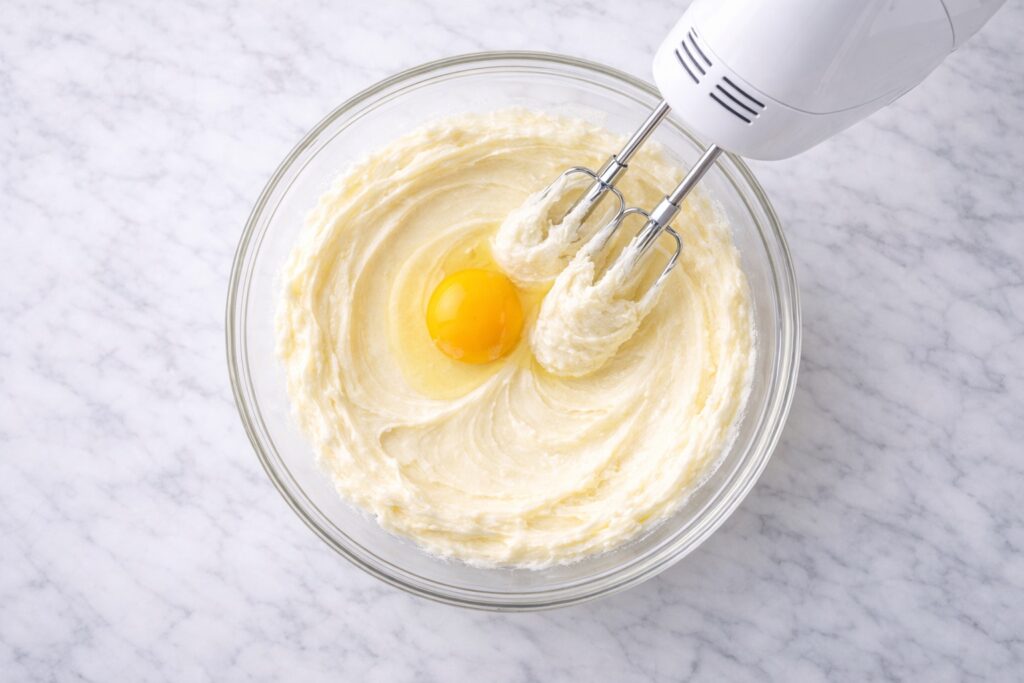
Add the eggs one at a time, mixing well after each addition.
This helps the batter emulsify properly and prevents the mixture from separating.
5. Add the flavorings
Mix in the vanilla extract and lemon zest until evenly incorporated.
The zest releases natural citrus oils that build the cake’s fresh lemon aroma.
6. Add the lemon juice
Mix in the fresh lemon juice.
The batter may look slightly curdled at this stage, which is completely normal. Once the flour and buttermilk are added, the batter will smooth out again.
7. Alternate dry ingredients and buttermilk
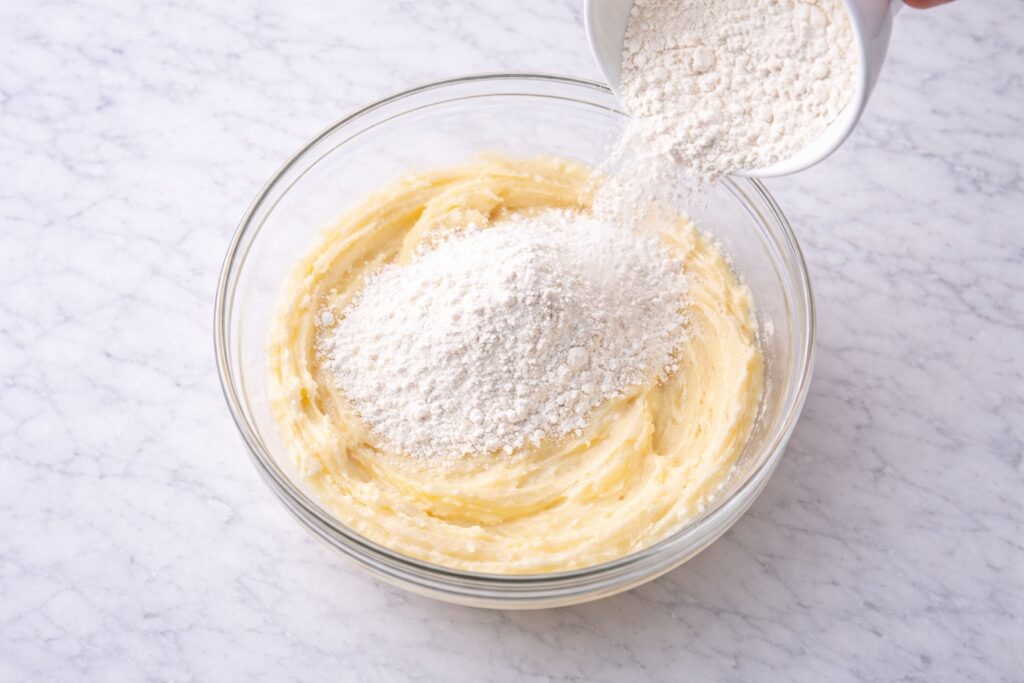
Add the flour mixture and buttermilk in alternating additions, beginning and ending with the flour mixture. Mix on low speed just until combined.
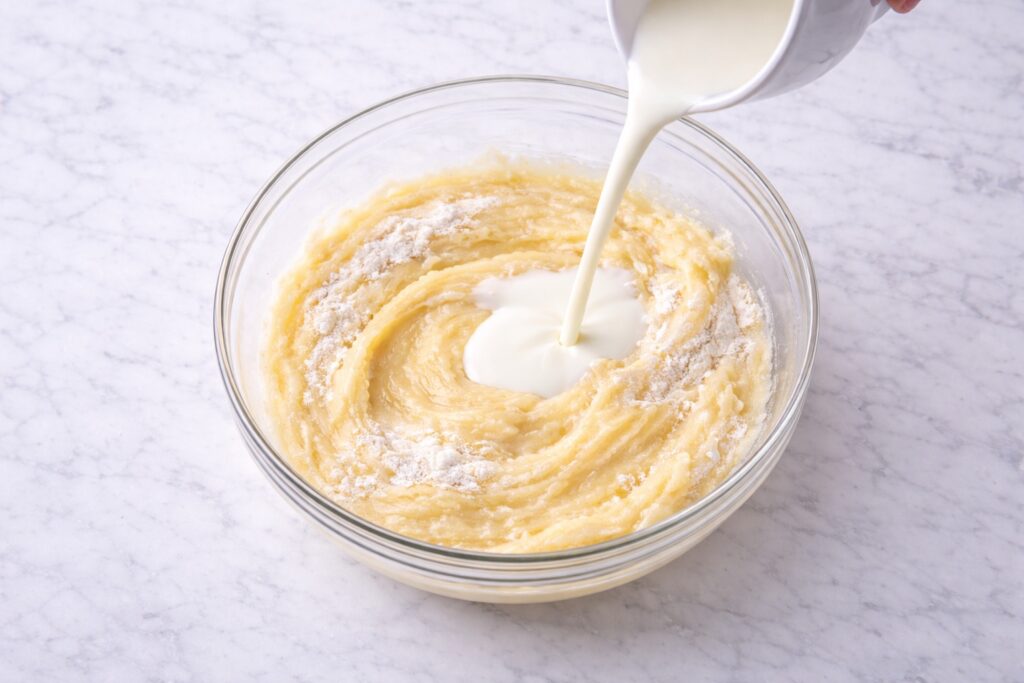
The batter should look smooth, thick, and pourable without visible streaks of flour.
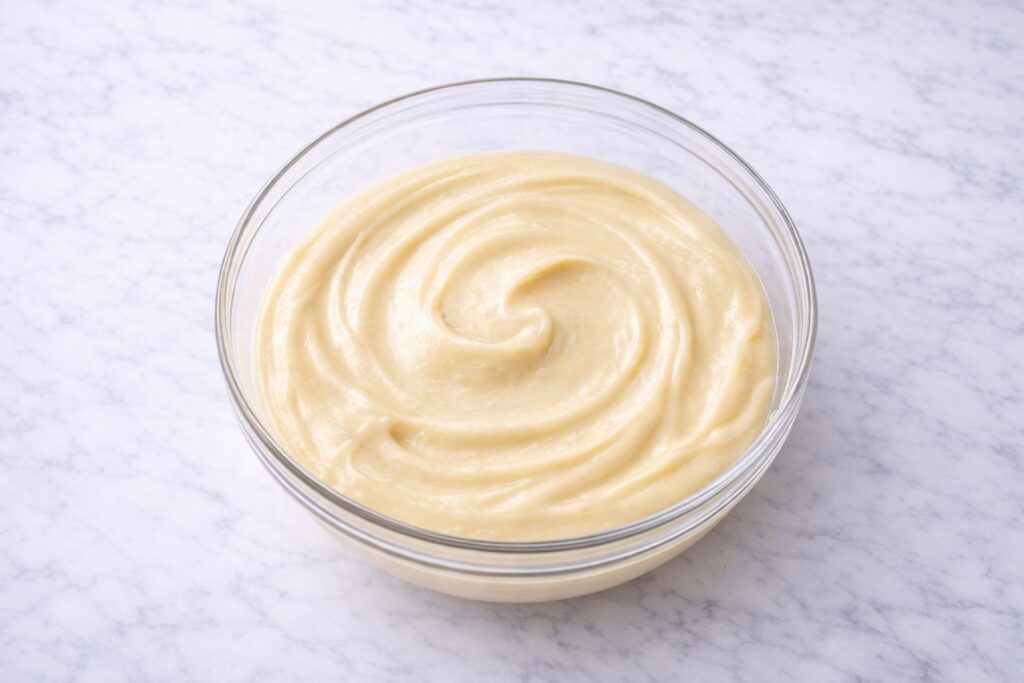
8. Divide the batter
Divide the batter evenly between the prepared cake pans and smooth the tops with a spatula.
This helps the layers bake evenly and produce level cakes.
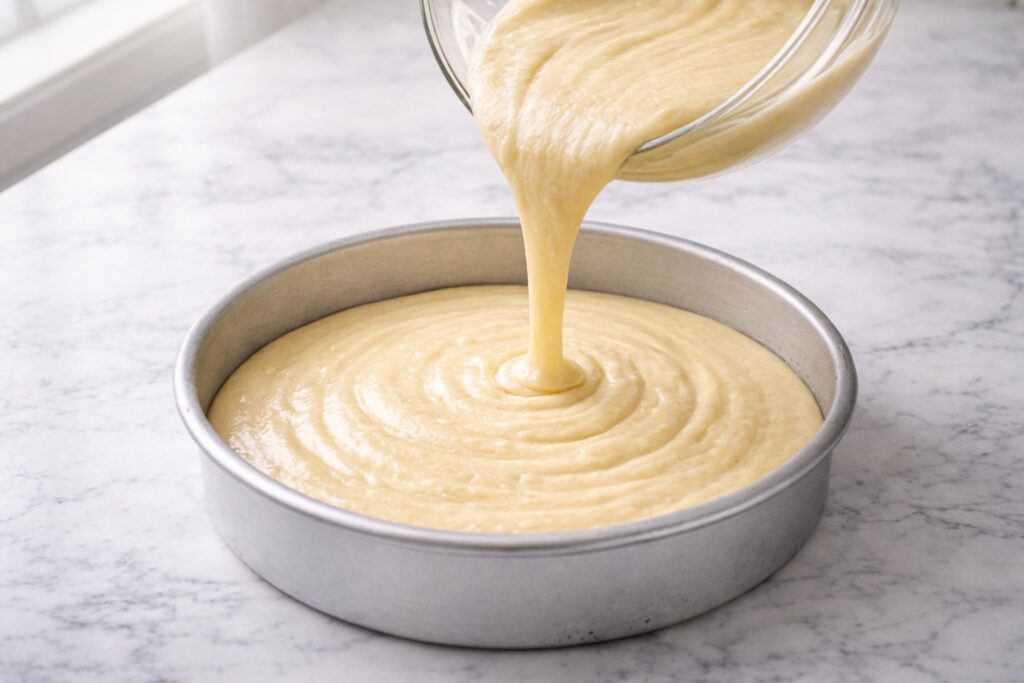
9. Bake
Bake for 30–35 minutes, or until a toothpick inserted into the center comes out clean or with a few moist crumbs.
The cake tops should be lightly golden and the centers should spring back gently when pressed.
Sometimes the top develops a few light cracks as it bakes, which is completely normal and often a sign that the texture inside will be especially soft.
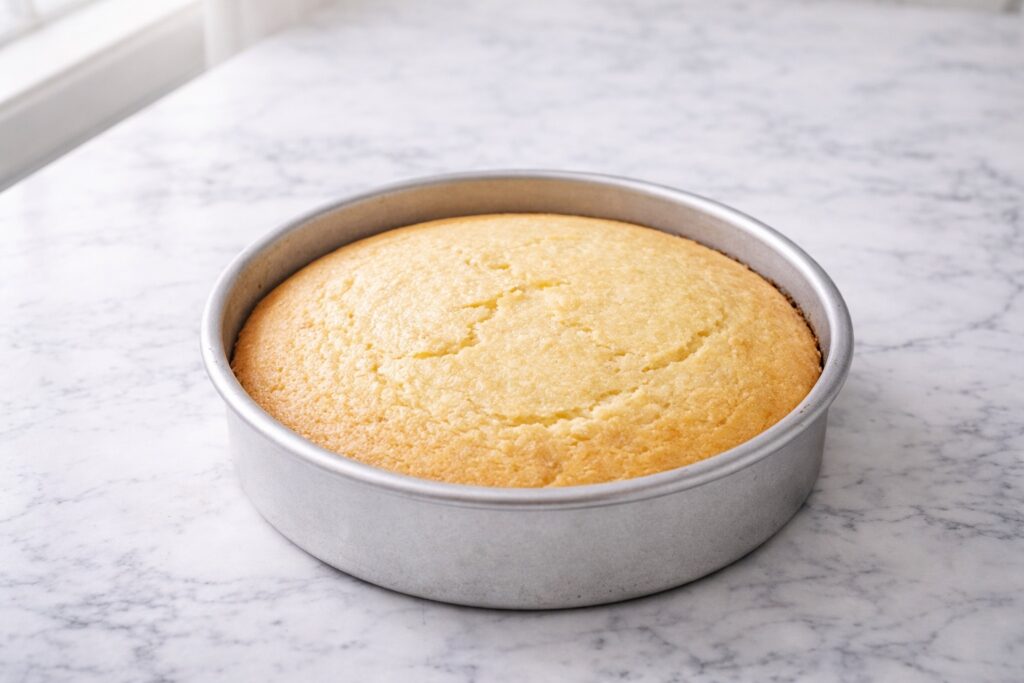
10. Cool
Let the cakes cool in the pans for about 10 minutes, then transfer them to a wire rack to cool completely.
Cooling the cakes fully prevents the glaze or frosting from melting.
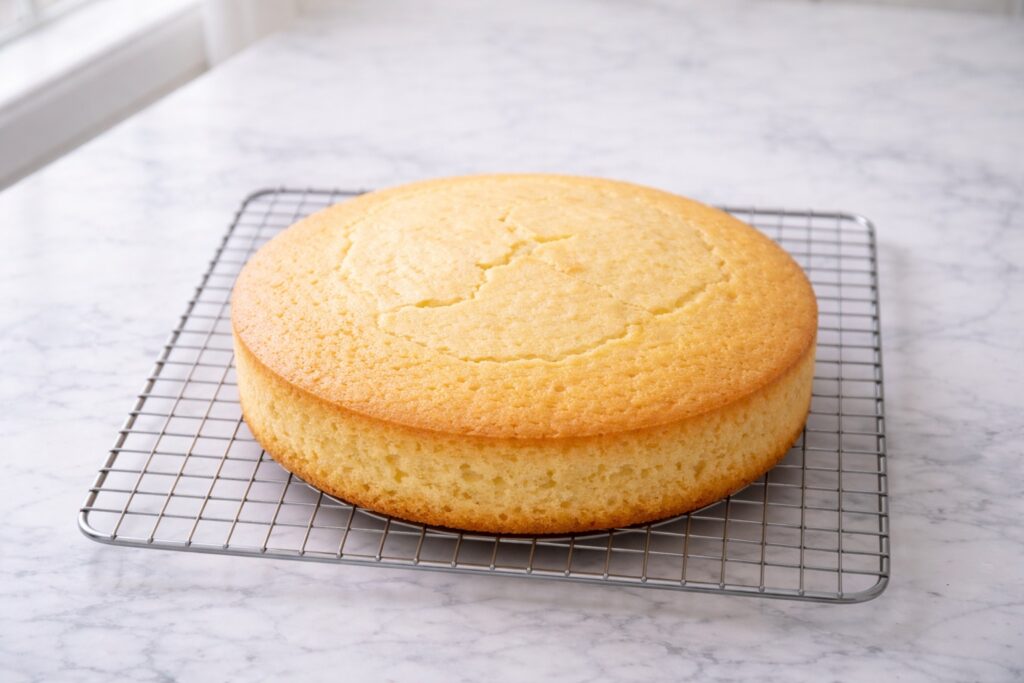
11. Assemble the Cake
Place one cooled cake layer on a serving plate or cake stand. If desired, level the tops with a serrated knife for flatter, more even layers.
For a simple everyday lemon cake, place the second layer on top and finish with the optional lemon glaze.
For a celebration-style cake, spread a generous layer of lemon buttercream between the cake layers before stacking the second layer. Frost the top and sides, then garnish with fresh lemon zest or thin lemon slices if desired.
Optional Lemon Buttercream Frosting
Instructions
- Beat the softened butter for 3–4 minutes until very light and fluffy.
- Gradually add the powdered sugar, mixing on low speed until incorporated.
- Mix in the lemon juice, lemon zest, vanilla extract, and salt.
- Add the cream, one tablespoon at a time, until the frosting is smooth, light, and easily spreadable.
- Beat for another 2–3 minutes until fluffy.
How Much You’ll Need
This recipe makes enough frosting to fill, frost, and lightly decorate one two-layer 9-inch lemon cake.
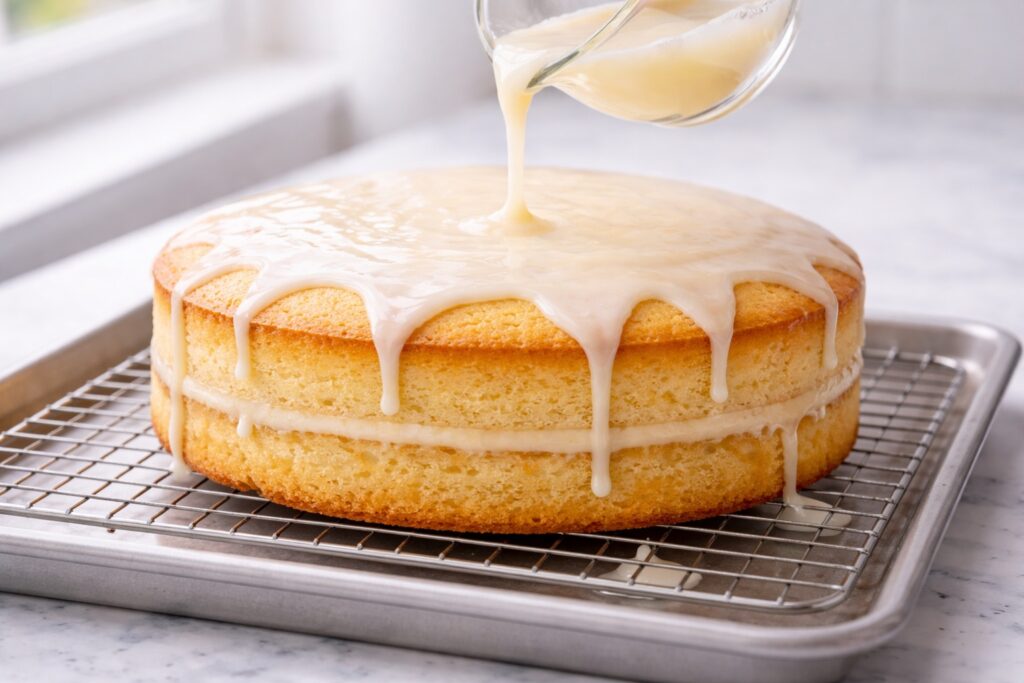
12. Glaze (optional)
Whisk together powdered sugar and lemon juice until smooth, then drizzle the glaze over the cooled cake.
The glaze should be thick enough to slowly run down the sides of the cake.
I like to keep the glaze light so it enhances the lemon flavor without overpowering the soft texture of the cake.
What Frosting Goes Best with Lemon Cake?
Lemon cake pairs well with several different finishes, depending on whether you want something simple, tangy, or more celebration-worthy. If you enjoy a slightly tangy finish, this cake is especially delicious with cream cheese frosting.
| Frosting | Flavor Pairing |
|---|---|
| Lemon glaze | Bright and simple |
| Cream cheese frosting | Tangy and rich |
| Vanilla buttercream | Sweet and classic |
| Lemon buttercream | Strong citrus flavor |
Recipe Tips at a Glance
| Tip | Why It Matters |
|---|---|
| Use fresh lemons | Better aroma and flavor |
| Zest before juicing | Easier preparation |
| Room temperature ingredients | Smoother batter |
| Do not overmix | Prevents dense crumb |
| Avoid overbaking | Keeps cake moist |
Quick Doneness Check (Simple Test)
Look for these signs:
- Light golden edges: The cake should remain mostly pale but lightly golden at the edges.
- Springy center: Gently press the center — it should spring back.
- Clean toothpick: A toothpick inserted into the center should come out clean.
- Warm citrus aroma: The kitchen will fill with the scent of butter and lemon.
These signals are often more reliable than exact bake time.
Lemon Cake Baking Signals
While the quick doneness test works well, experienced bakers often rely on deeper visual and sensory cues to get the perfect texture every time.
Because oven temperatures, pan types, and ingredient variations can slightly change baking time, these signals help ensure consistent results.
Light golden edges
The edges of the cake should turn lightly golden while the center remains pale. This indicates the cake is baked through without drying out.
Set and springy center
Gently press the center of the cake. It should spring back without leaving an indentation, which means the structure has set properly.
Slight pull from the pan
The edges of the cake may begin to pull slightly away from the sides of the pan. This is a sign that the cake has finished baking and is starting to firm up.
Even surface without wet spots
The top of the cake should look smooth and fully set, with no glossy or wet-looking areas in the center.
Warm citrus aroma
The kitchen will fill with a soft, buttery lemon scent as the cake finishes baking. This aroma is a reliable indicator that the flavors have developed.
Small baking insight: If the cake still feels slightly soft in the center but shows all the other signals, it will continue to set as it cools. Removing it at this stage helps preserve a moist, tender crumb.
Lemon Cake Doneness Guide
| Signal | What It Means |
|---|---|
| Light golden edges | The cake has baked fully without over-browning. |
| Springy center | The cake structure has set properly. |
| Clean toothpick | The crumb is baked through. |
| Strong lemon aroma | The citrus oils and butter have fully baked. |
Expert Tips for the Best Lemon Cake
- Use plenty of zest: Zest is where much of the real lemon character lives. If a lemon cake tastes flat, it is often because it relies too much on juice and not enough on zest.
- Cream the butter and sugar properly: This is not just a mixing step. It creates air in the batter and helps produce a lighter, finer crumb. Under-creamed butter and sugar often lead to a denser cake.
- Measure flour carefully: Too much flour is one of the easiest ways to end up with a dry lemon cake. Spoon the flour into the measuring cup and level it off rather than scooping directly from the bag.
- Do not overbake: Lemon cake is at its best when the crumb stays soft and moist. Pull it from the oven as soon as the center tests done.
- Let the flavor settle: This cake is lovely the day it is baked, but the lemon flavor often tastes even rounder and more developed after a few hours of resting.
Common Mistakes to Avoid
- Using cold ingredients: Cold butter, eggs, or buttermilk can cause the batter to mix unevenly, which affects texture.
- Adding too much lemon juice: Extra juice can weaken the cake structure and make the crumb dense.
- Overmixing the batter: Overmixing develops gluten and toughens the cake.
- Skipping parchment paper: Cake layers release much more easily with parchment.
- Overbaking: Even a few extra minutes can dry out a delicate lemon cake.
- Glazing while warm: If the cake is too warm, the glaze can melt right off instead of setting nicely on top.
Why Lemon Cake Sometimes Turns Dense
Dense lemon cake is usually caused by one of three issues: overmixing the batter, using too much flour, or under-creaming the butter and sugar.
Overmixing develops gluten, which tightens the crumb. Too much flour absorbs moisture and makes the cake heavy. Properly creaming butter and sugar for several minutes helps incorporate air, producing a lighter texture.
Lemon Cake vs Lemon Pound Cake
| Lemon Cake | Lemon Pound Cake |
|---|---|
| Soft crumb | Dense crumb |
| Light texture | Heavy texture |
| Uses buttermilk | Uses mostly butter |
| Fluffy layers | Compact slices |
Lemon cake is ideal when you want a lighter, airy citrus dessert, while pound cake offers a richer texture.
Cake Texture Comparison Guide
Different types of cakes may use similar ingredients, but their texture can vary significantly depending on fat content, mixing method, and structure.
This quick comparison helps you understand how lemon cake differs from other classic cake styles.
| Cake Type | Texture | Structure | Fat Content | Best Use |
|---|---|---|---|---|
| Lemon Cake | Soft, moist, tender crumb | Light and balanced | Moderate (butter + buttermilk) | Layer cakes, glazed cakes, everyday desserts |
| Pound Cake | Dense, tight crumb | Heavy and compact | High (butter-based) | Sliced cakes, loaf cakes, rich desserts |
| Sponge Cake | Light, airy, slightly dry | Very airy structure | Low (little to no fat) | Layered cakes, filled cakes, light desserts |
Small baking insight: Lemon cake sits between rich pound cake and airy sponge cake, which is why it feels both soft and light while still holding enough structure to slice cleanly.
Texture and Flavor Notes
This lemon cake is designed to be soft and tender rather than tight or heavy. The crumb is delicate, moist, and fine enough to feel elegant, yet sturdy enough to slice cleanly for serving, layering, or glazing.
Flavor-wise, it leans fresh and bright rather than intensely tart. That makes it especially versatile. You can keep it simple with glaze, turn it into a frosted layer cake, or serve it with berries and whipped cream for a more dressed-up dessert.
How to Serve Lemon Cake
This lemon cake is best served when it’s fully cooled and the glaze has set into a light, delicate finish.
The texture becomes especially soft and tender at room temperature, with the citrus flavor coming through more clearly in each bite.
You can serve it:
- plain, for a simple and clean presentation
- with extra lemon zest on top for a brighter citrus note
- with a light dusting of powdered sugar for a softer finish
- with fresh berries for contrast and color
- alongside coffee or tea for a relaxed afternoon dessert
It’s the kind of cake that feels just as right for a quiet moment at home as it does on a spring table or casual gathering.

Serving Suggestions for Different Occasions
- For spring gatherings: Serve with berries and powdered sugar for a fresh seasonal look.
- For Easter dessert tables: Pair with coconut cake, carrot cake, or other fresh fruit desserts for a bright spring baking spread.
- For brunch: This cake is lovely with coffee, tea, or even as part of a sweeter breakfast-style table.
- For celebrations: Turn it into a frosted layer cake with lemon buttercream and a little extra zest over the top.
This is one of those cakes you end up saving and coming back to again and again. Soft, bright, and simple, it works for everything from everyday baking to special occasions, making it a true go-to lemon cake recipe.
Make Ahead & Storage
Make ahead
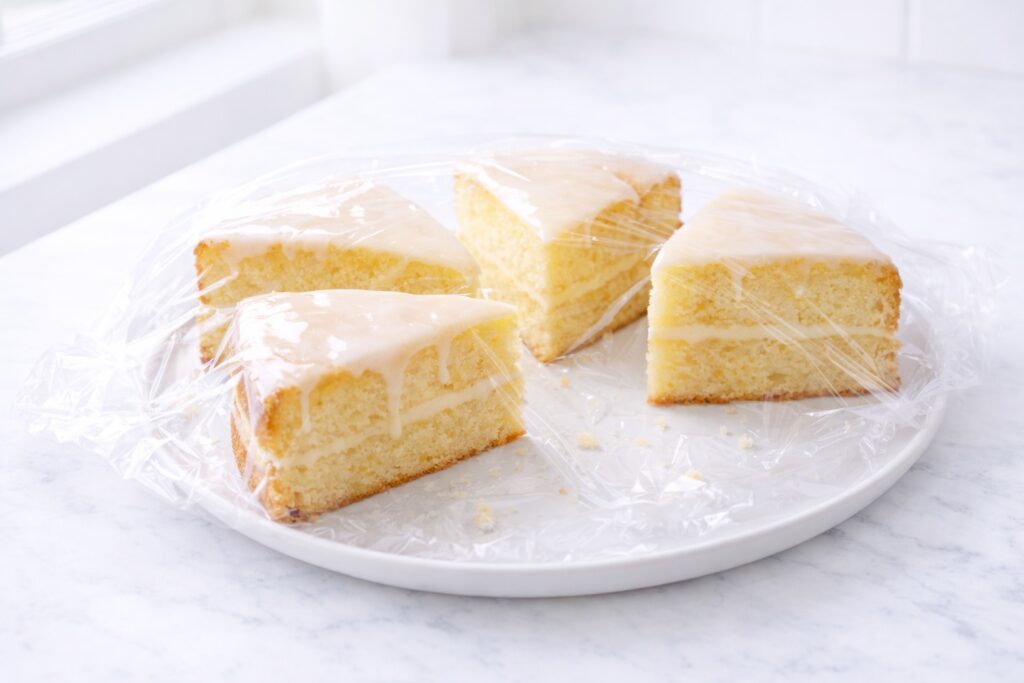
You can bake the cake layers a day in advance. Once fully cooled, wrap them tightly and store at room temperature overnight.
- Room temperature: Store the finished cake covered at room temperature for up to 2 days.
- Refrigerator: If glazed or frosted with cream cheese frosting, refrigerate the cake for up to 5 days. Bring slices to room temperature before serving for the best texture.
- Freezer: Wrap unfrosted cake layers tightly and freeze for up to 2 months. Thaw at room temperature before glazing or frosting.
In my experience, this cake tastes even better the next day, once the flavors have had time to settle and the crumb becomes even more tender.
Easy Lemon Cake Variations
This lemon cake recipe is a beautiful base for simple variations because the crumb is soft, buttery, and balanced enough to pair with fruit, glaze, frosting, seeds, or a loaf-style presentation. Use the ideas below to turn the same cake batter into a slightly different lemon dessert without changing the core recipe.
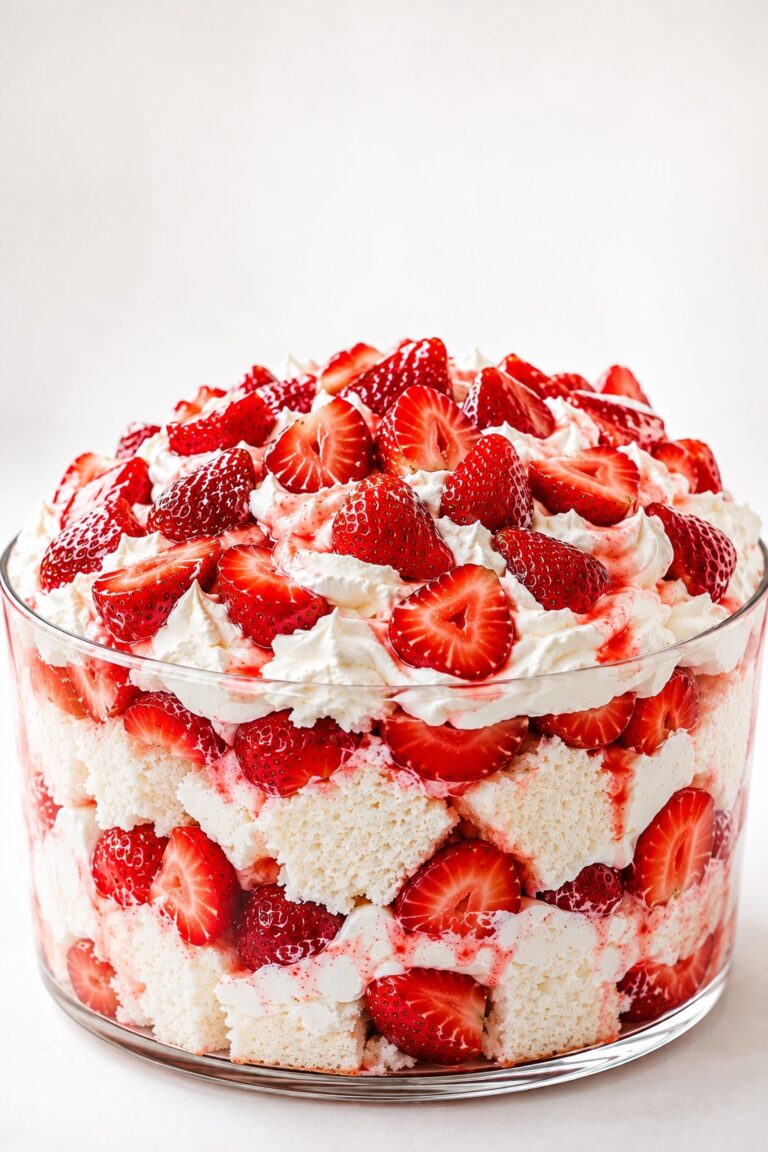
🍓Strawberry Lemon Cake
If you love the combination of bright citrus and fresh berries, this variation transforms the classic lemon cake into a beautiful strawberry lemon dessert that feels perfect for spring and summer.
The sweet strawberries balance the tangy lemon flavor while adding juicy berry pockets throughout every slice. The result is colorful, fresh, and slightly more indulgent while still keeping the soft, buttery crumb of the original lemon cake.

Ingredients
- 2½ cups all-purpose flour
- 2½ teaspoons baking powder
- ½ teaspoon baking soda
- ½ teaspoon salt
- 1 cup unsalted butter, softened
- 1¾ cups granulated sugar
- 4 large eggs, room temperature
- 1 tablespoon vanilla extract
- 2 tablespoons fresh lemon zest
- ¼ cup fresh lemon juice
- 1 cup buttermilk, room temperature
- 1 cup finely diced fresh strawberries
- 1 tablespoon all-purpose flour (for coating the strawberries)
Optional Lemon Glaze
- 1½ cups powdered sugar
- 2–3 tablespoons fresh lemon juice
- 1 teaspoon lemon zest
Instructions
- Preheat the oven to 350°F (175°C). Grease and line two 9-inch round cake pans with parchment paper.
- In a medium bowl, whisk together the flour, baking powder, baking soda, and salt.
- In a large mixing bowl, beat the butter and sugar for 3–4 minutes until light and fluffy.
- Add the eggs one at a time, mixing well after each addition.
- Mix in the vanilla extract, lemon zest, and lemon juice.
- Add the flour mixture and buttermilk in alternating additions, beginning and ending with the flour mixture. Mix just until combined.
- Toss the diced strawberries with 1 tablespoon flour.
- Gently fold the strawberries into the batter.
- Divide the batter evenly between the prepared cake pans and smooth the tops.
- Bake for 30–35 minutes, or until a toothpick inserted into the center comes out clean.
- Cool in the pans for 10 minutes, then transfer to a wire rack and cool completely.
- If desired, whisk together the glaze ingredients and drizzle over the cooled cake.
Expected Result
A soft lemon strawberry cake with a tender buttery crumb, bright citrus flavor, juicy strawberry pieces, and a beautiful fresh fruit finish. The strawberries add natural sweetness and moisture while complementing the lemon without overpowering it.
Why This Variation Works
Strawberries and lemon work beautifully together because the berries add natural sweetness while the lemon keeps the cake bright and fresh. The buttery cake base gives enough structure to hold the fruit without becoming heavy, while buttermilk keeps the crumb soft and tender.
Coating the diced strawberries in a small amount of flour also helps distribute them more evenly through the batter and reduces sinking during baking.
Best Frosting Pairings
- Lemon glaze: best for a light, simple citrus finish.
- Cream cheese frosting: best for a richer, tangy layer cake.
- Vanilla buttercream: best for a sweeter celebration-style cake.
- Whipped cream: best for a fresh spring or summer dessert.
Baker’s Tip: Pat the strawberries dry before adding them to the batter and toss them with flour. This helps prevent sinking and keeps the cake crumb light and even.
🫐 Lemon Blueberry Cake
For a classic berry variation, fold fresh blueberries into the lemon cake batter. The blueberries add soft bursts of sweetness and make the cake feel especially fresh for spring brunches, Easter, and summer desserts.
Additional Ingredients
- 1 cup fresh blueberries
- 1 tablespoon all-purpose flour
How to Modify the Recipe
- Toss the blueberries with flour to help prevent sinking.
- Prepare the lemon cake batter as written.
- Gently fold the blueberries into the batter at the end.
- Bake as directed, adding a few minutes if the center needs more time.
Expected Result
A soft lemon blueberry cake with tender crumb, bright citrus flavor, and juicy blueberry pockets throughout the layers.
🌱 Lemon Poppy Seed Cake
This variation gives the cake a classic bakery-style look with tiny poppy seeds scattered through the crumb. It keeps the flavor bright and simple while adding a subtle nutty texture.
Additional Ingredients
- 1 to 2 tablespoons poppy seeds
How to Modify the Recipe
- Prepare the lemon cake batter as written.
- Fold the poppy seeds into the batter after the flour and buttermilk have been added.
- Divide the batter between the pans and bake as directed.
Expected Result
A soft lemon poppy seed cake with a delicate crunch, bright citrus flavor, and a pretty speckled crumb.
🎂 Lemon Cream Cheese Cake
If you want a richer, more celebration-style cake, frost the lemon cake with cream cheese frosting. The tanginess of the frosting pairs beautifully with the fresh lemon flavor.
Use
- Cream cheese frosting
- Extra lemon zest for topping
- Optional fresh berries for decoration
How to Modify the Recipe
- Bake and cool the cake layers completely.
- Fill and frost the cake with cream cheese frosting.
- Add a little lemon zest over the top for extra citrus aroma.
- Chill briefly before slicing if you want cleaner layers.
Expected Result
A rich, soft lemon layer cake with tangy frosting, fresh citrus flavor, and a more elegant bakery-style finish.
🍞 Lemon Loaf Cake
For a simpler everyday version, bake the batter as lemon loaf cake instead of round layers. This is a great option for slicing, gifting, brunch, or serving with coffee and tea.
How to Modify the Recipe
- Grease and line two loaf pans with parchment paper.
- Divide the batter evenly between the pans.
- Bake at 350°F until the centers are set and a toothpick comes out clean.
- Cool completely before glazing.
Expected Result
A soft lemon loaf cake with a tender crumb, clean slices, and a simple homemade look that works beautifully with lemon glaze.
Variation Tip: When adding fruit to lemon cake, keep the pieces small and avoid adding extra lemon juice. Too much moisture or acidity can weaken the cake structure and make the crumb dense.
Make This Lemon Cake Your Own
One of the nicest things about lemon cake is how easily it adapts to different styles of baking. You can keep it simple for everyday desserts or turn it into a more decorative celebration cake.
Add fresh berries between the layers, finish the cake with a soft lemon buttercream, or keep things rustic with a light glaze and powdered sugar. Even small changes can create a slightly different lemon dessert while keeping the same tender cake base.
Lemon Cake FAQs
Can I make this as a sheet cake?
Yes. Bake in a 9×13 pan and adjust baking time slightly.
Can I substitute milk for buttermilk?
Yes, but add 1 tablespoon lemon juice to the milk first.
Can I freeze lemon cake?
Yes. Freeze unfrosted layers for best results.
Why did my batter look curdled?
The lemon juice reacts with butter, and this is completely normal.
Can I use bottled lemon juice?
Fresh lemon juice gives the best flavor, but bottled lemon juice can work if needed. The cake will simply have a milder citrus aroma.
If You Love Lemon Desserts, Try These Too
If lemon desserts are always the first thing you reach for, there are plenty of other bright and citrusy bakes worth trying. Lemon bars bring a sharper, more concentrated lemon flavor, while lemon meringue pie feels a little more dramatic and classic. Lemon blueberry cake adds a soft fruity contrast that works beautifully in spring, and lemon cookies are another lovely option when you want something bright, simple, and easy to share.
This lemon cake stands out for its soft, buttery crumb and fresh citrus flavor, making it a reliable choice for everything from casual baking days to special occasions.
Final Thoughts
This lemon cake is one of those recipes that feels simple, bright, and quietly special. The balance of butter and citrus gives it a soft, tender crumb that works just as beautifully for everyday baking as it does for spring gatherings and celebrations.
Whether you serve it plain, glazed, or fully frosted, it is the kind of homemade dessert that always feels fresh, cheerful, and inviting. It is the kind of cake that quickly becomes a favorite in any baker’s kitchen. If you are looking for an easy lemon cake recipe with real lemon flavor and a tender crumb, this one is a beautiful place to start, especially if you already love classic cakes like white cake, coconut cake, or pound cake.
Lemon Cake Recipe
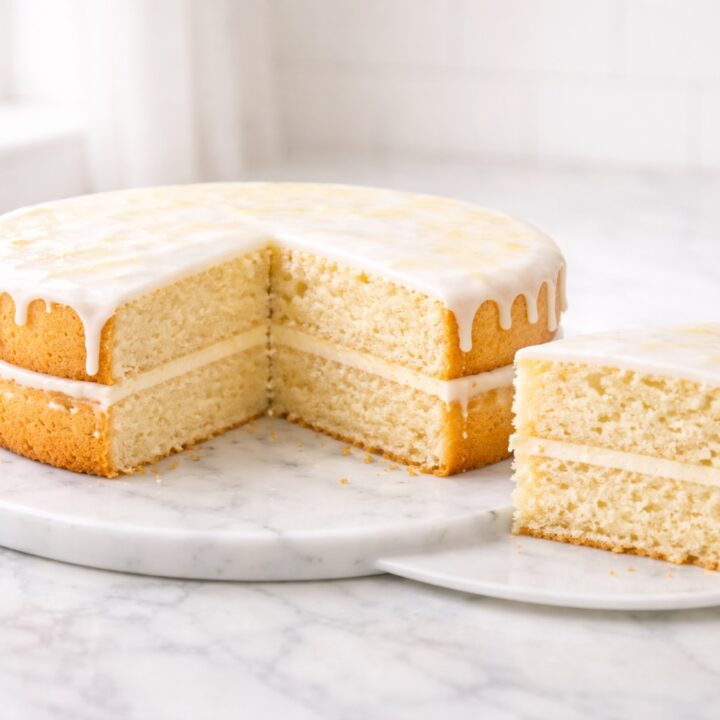
This lemon cake is soft, moist, and full of bright citrus flavor from fresh lemon juice and fragrant lemon zest. Made with butter and buttermilk for a tender crumb, this easy lemon cake recipe is perfect for spring desserts, brunch, or everyday baking.
Ingredients
For the Cake
- 2½ cups all-purpose flour
- 2½ teaspoons baking powder
- ½ teaspoon baking soda
- ½ teaspoon salt
- 1 cup unsalted butter, softened
- 1¾ cups granulated sugar
- 4 large eggs, room temperature
- 1 tablespoon vanilla extract
- 2 tablespoons fresh lemon zest
- ¼ cup fresh lemon juice
- 1 cup buttermilk, room temperature
For the Lemon Glaze
- 1½ cups powdered sugar
- 2–3 tablespoons fresh lemon juice
- 1 teaspoon lemon zest
Instructions
- Preheat the oven to 350°F (175°C). Grease two 9-inch round cake pans and line the bottoms with parchment paper.
- In a medium bowl, whisk together the flour, baking powder, baking soda, and salt until evenly combined.
- In a large mixing bowl, cream the softened butter and sugar for 3–4 minutes until light, pale, and fluffy.
- Add the eggs one at a time, mixing well after each addition to create a smooth, stable batter.
- Mix in the vanilla extract and lemon zest until fully incorporated.
- Add the fresh lemon juice. The mixture may look slightly curdled at this stage, which is normal.
- Add the dry ingredients and buttermilk in alternating additions, beginning and ending with the flour mixture. Mix on low speed just until combined. Do not overmix.
- Divide the batter evenly between the prepared cake pans and smooth the tops.
- Bake for 30–35 minutes, or until a toothpick inserted into the center comes out clean or with a few moist crumbs.
- Place one cake layer on a serving plate or cake stand. For a simple finish, stack the second layer on top and drizzle with the optional lemon glaze. For a richer cake, spread lemon buttercream or cream cheese frosting between the layers before stacking, then frost the top and sides if desired.
- (Optional Lemon Glaze) Whisk together the powdered sugar, lemon juice, and lemon zest until smooth, then drizzle over the assembled cake. Let the glaze set before slicing and serving.
Notes
- Use fresh lemon zest for the best flavor
Most of the lemon aroma comes from the zest, not the juice. - Cream butter and sugar until light and fluffy
This step creates air in the batter and helps the cake stay soft. - Use room temperature ingredients
This helps the batter mix smoothly and improves texture. - Do not overmix after adding flour
Overmixing can make the cake dense instead of tender. - Do not overbake
Remove the cake when a toothpick shows a few moist crumbs for a soft texture. - For a celebration-style cake: Instead of the lemon glaze, fill and frost the cake with homemade Lemon Buttercream Frosting
Nutrition Information:
Yield: 12 slices Serving Size: 1 sliceAmount Per Serving: Calories: 410Total Fat: 20gSaturated Fat: 12gCholesterol: 95mgSodium: 180mgCarbohydrates: 52gFiber: 1gSugar: 34gProtein: 5g
Nutrition information is provided as an estimate only and may vary based on specific ingredients, brands, and portion sizes used. This information should not be considered medical or nutritional advice.
12 Sweet Favorites — Yours, Free 🍰
Tiramisù, no-bake cheesecake, the perfect chocolate chip cookie & 9 more reader-loved desserts — gathered into one beautiful free recipe book. From my kitchen to yours.
No spam, just sweet things. Unsubscribe anytime.