Coconut Cake – Soft, Moist & Fluffy Layer Cake
🎁 FREE E-BOOK: 12 Sweet Favorites — reader-loved desserts in one beautiful recipe book.
Coconut cake is a classic layer cake made with coconut milk, shredded coconut, and soft vanilla sponge layers that bake into a light, fluffy crumb. This coconut cake recipe creates moist cake layers with delicate coconut flavor and creamy frosting, turning simple pantry ingredients into an elegant dessert perfect for celebrations or everyday baking.
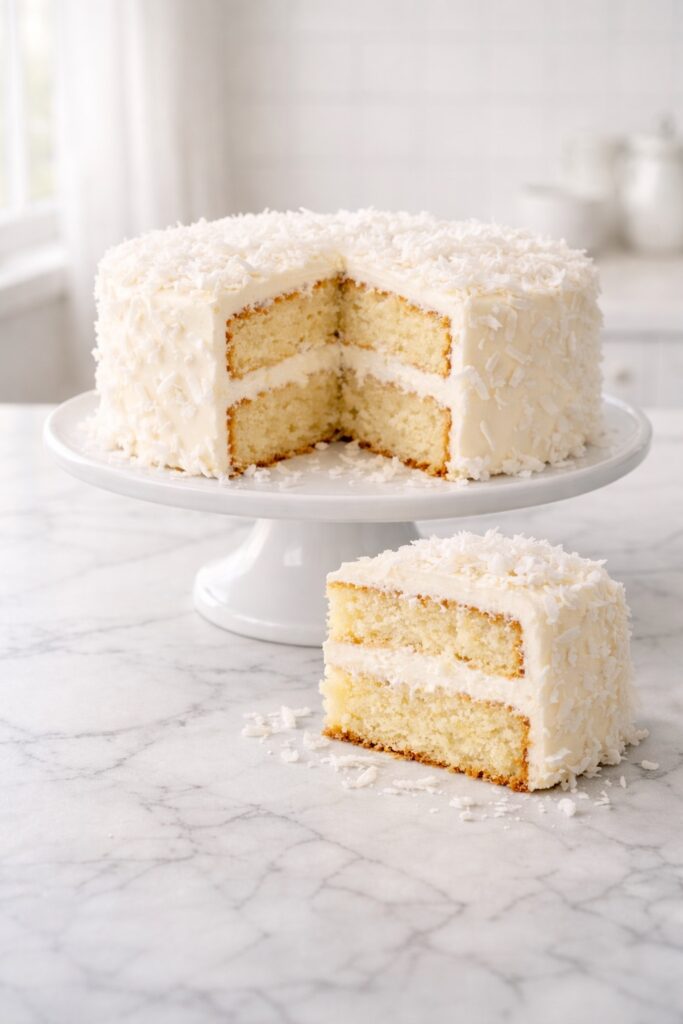
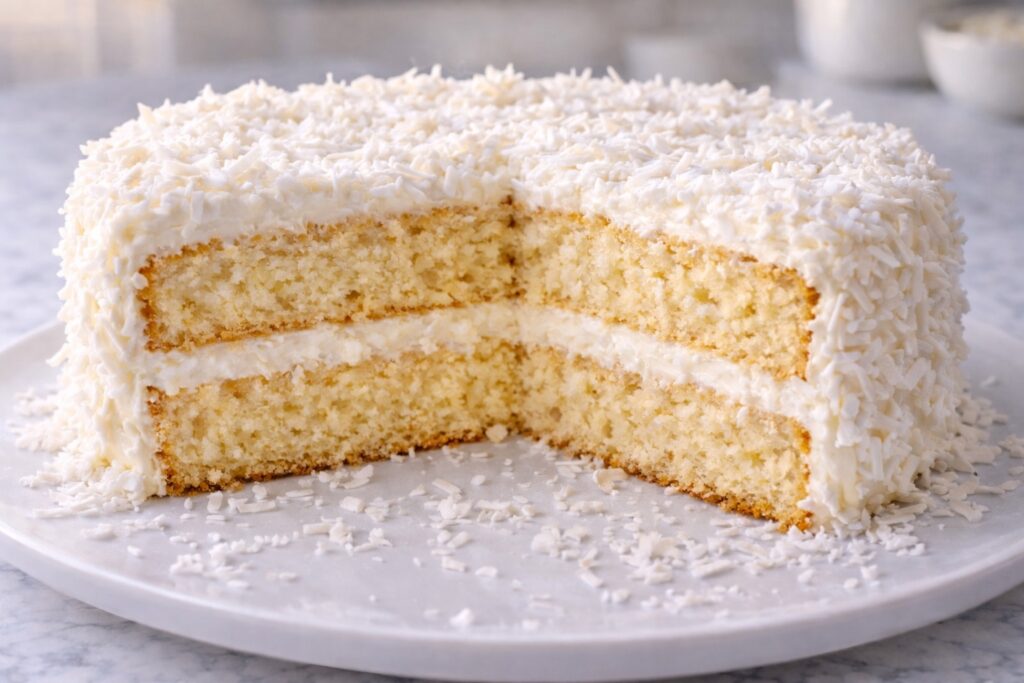
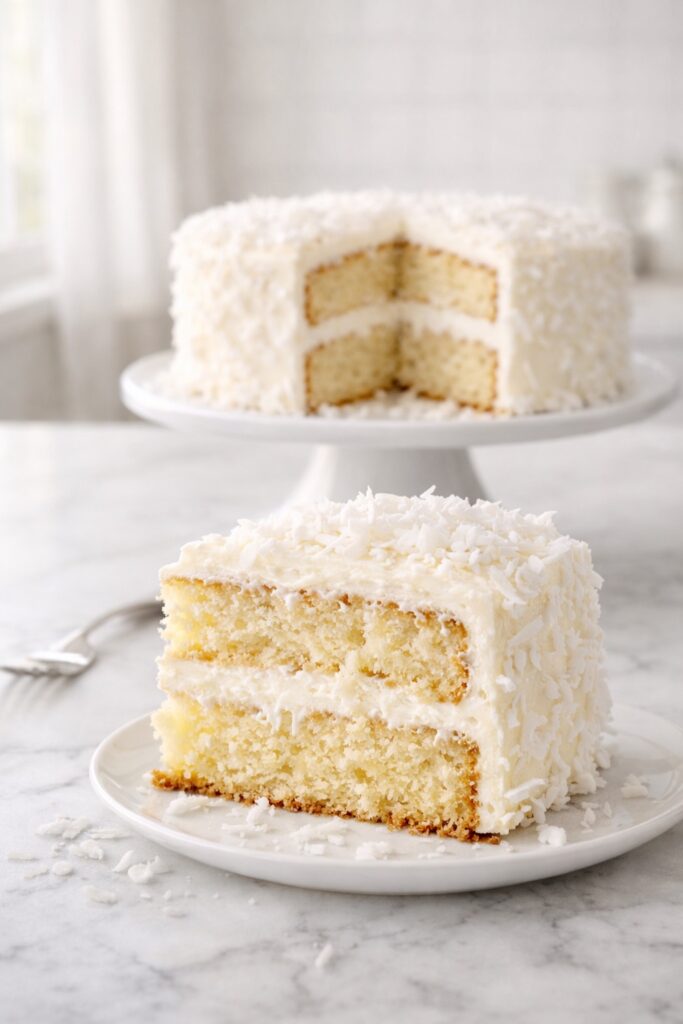
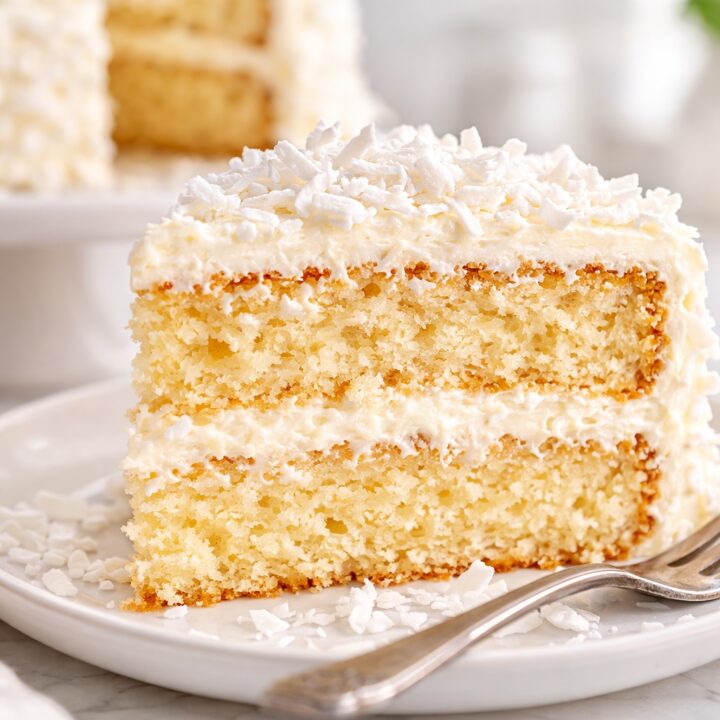
A slice of coconut cake reveals soft vanilla sponge layers covered in creamy frosting and delicate coconut flakes.
As the cake bakes, the kitchen slowly fills with the warm scent of vanilla and toasted coconut. The batter rises into tender sponge layers that stay soft and moist thanks to the richness of coconut milk.
The texture is what makes coconut cake so memorable. Each bite combines airy cake layers, silky frosting, and delicate coconut flakes that add gentle sweetness and light chew.
Despite its bakery-style appearance, this coconut cake recipe is surprisingly simple to make. With a few pantry ingredients and the right baking method, you can create a beautiful coconut layer cake perfect for birthdays, spring gatherings, holidays, or cozy weekend baking.
Because of its soft crumb and delicate coconut flavor, coconut cake is often considered one of the most elegant classic layer cakes in traditional home baking. Most versions begin with a vanilla-style sponge base enriched with coconut milk and shredded coconut, which creates the signature soft texture that defines coconut layer cake.
What Makes a Great Coconut Cake?
The best coconut cakes combine tender cake layers, creamy frosting, and just enough coconut texture to make each bite feel rich without becoming heavy.
A great coconut cake should be:
- soft and moist
- light and fluffy
- balanced in coconut flavor
- easy to slice into clean layers.
A well-made coconut cake should stay moist for days, slice cleanly, and taste elegant yet comforting. The coconut flavor should come through clearly, but still feel balanced by the soft vanilla-style cake base and creamy frosting.
When all of these elements work together, coconut cake becomes the kind of classic layer cake that feels equally perfect for celebrations, holidays, and simple homemade baking.
Quick Recipe Overview
This coconut cake recipe creates soft, fluffy vanilla cake layers made with coconut milk and shredded coconut, finished with creamy frosting and a delicate coconut coating. The cake stays moist, tender, and lightly sweet, making it perfect for celebrations, holidays, or simple homemade baking.
- Flavor: Light coconut with warm vanilla notes
- Texture: Soft, fluffy cake layers with creamy frosting and delicate coconut flakes
- Difficulty: Beginner-friendly layer cake
- Best for: Birthdays, spring gatherings, Easter desserts, and special occasions
- Preparation time: 25 minutes
- Baking time: 25 minutes
- Total time: 50 minutes (plus cooling and frosting)
Small baking tip: Allow the cake layers to cool completely before frosting to keep the layers stable and prevent the frosting from melting.
Many bakers like to bookmark recipes like this so they’re easy to find later when planning a celebration or weekend baking project.
What Is Coconut Cake?
Coconut cake is a classic American layer cake made with coconut milk, shredded coconut, or coconut extract. The cake is typically baked as two or three soft vanilla-style layers and finished with creamy frosting and a coating of coconut flakes.
The combination of fluffy sponge, rich frosting, and delicate coconut texture creates a cake that feels both light and indulgent. Coconut cake is especially popular for spring celebrations, Easter desserts, birthdays, and Southern-style dessert tables. If you prefer a tangier frosting, coconut cake also pairs beautifully with cream cheese frosting, which adds a slight contrast to the sweetness of the cake.
Coconut cake is usually baked as soft vanilla-style layers, similar to a classic white cake, but enriched with coconut milk and shredded coconut for extra flavor and moisture.
Coconut Cake Flavor Profile
Coconut cake has a delicate flavor that combines light sweetness with gentle tropical notes.
The cake layers usually taste like a soft vanilla sponge with subtle coconut aroma from coconut milk or shredded coconut. The frosting adds creamy richness, while coconut flakes provide a mild chew and extra sweetness.
When balanced well, coconut cake does not taste overly strong or artificial. Instead, the flavor stays soft and comforting, with coconut acting as a gentle background note rather than an overpowering ingredient.
This balance is one reason coconut cake is often served at celebrations, where its flavor feels elegant but still familiar.
Coconut Cake Flavor Balance
A great coconut cake has a balanced flavor that feels rich but not overwhelming. The natural sweetness of the cake layers pairs with the creamy coconut frosting and the delicate texture of shredded coconut on the outside.
- Vanilla sponge base: soft, lightly sweet, and aromatic.
- Coconut milk richness: adds depth and subtle tropical flavor.
- Creamy coconut frosting: smooth and slightly sweet.
- Shredded coconut coating: adds texture and a gentle coconut aroma.
Coconut Cake vs White Cake
Coconut cake and white cake may look similar at first glance, but they differ in both flavor and ingredients.
White cake is usually a classic vanilla sponge made primarily with egg whites, flour, butter, and milk. Its flavor is light and neutral, allowing vanilla to be the dominant taste.
Coconut cake, on the other hand, builds on a similar soft cake base but introduces coconut milk, shredded coconut, or coconut extract to create a gentle tropical flavor and slightly richer texture.
Because coconut milk contains natural fats, coconut cake often stays moist longer than traditional white cake.
| Feature | Coconut Cake | White Cake |
|---|---|---|
| Main flavor | Coconut with vanilla | Vanilla |
| Liquid | Coconut milk | Milk |
| Texture | Soft, moist, slightly richer | Light and airy |
| Added texture | Shredded coconut | Usually smooth crumb |
| Typical occasions | Spring desserts, Easter, celebrations | Birthdays, wedding cakes |
Small baking insight:
Many classic coconut cakes start with a vanilla-style cake base and simply enrich the batter with coconut milk and shredded coconut to create the signature flavor.
Coconut Cake History
Coconut cake became especially popular in Southern baking traditions during the late 1800s when packaged coconut products became widely available. By the early 20th century, coconut layer cakes appeared frequently in American community cookbooks and church gatherings, where elaborate layer cakes were often baked for celebrations.
Early coconut cakes were often served at celebrations such as weddings, church gatherings, and holiday dinners. Bakers would prepare light sponge or butter cakes and finish them with fluffy frosting and generous layers of shredded coconut, creating the signature snowy appearance that coconut cake is known for today.
Over time, coconut cake became a staple of Southern dessert tables and home baking traditions. Modern versions often include coconut milk, coconut extract, or toasted coconut to deepen the flavor while keeping the cake soft, moist, and delicately sweet.
Why You’ll Love This Coconut Cake
There are many coconut cake recipes, but this one focuses on creating soft layers, balanced coconut flavor, and a cake that stays moist for days.
- Soft and fluffy coconut cake texture – The creaming method creates a light cake crumb that stays tender and airy.
- Moist coconut flavor – Coconut milk and shredded coconut add richness while keeping the cake soft.
- Beautiful layer cake – The frosting and coconut coating create an elegant cake that looks bakery-worthy.
- Beginner-friendly recipe – The steps follow a classic layer cake method that is easy to follow even for new bakers.
- Perfect for celebrations – This cake works beautifully for birthdays, holidays, Easter desserts, or special gatherings.
Why This Coconut Cake Recipe Works
This coconut cake uses several baking techniques that help create perfectly soft layers with balanced coconut flavor.
Coconut Milk Adds Moisture
Coconut milk contains natural fats that help keep cakes moist for longer than cakes made only with regular milk. It also gives the cake its subtle coconut aroma.
Creaming Butter Creates Airy Texture
Creaming butter and sugar introduces tiny air pockets into the batter. During baking these air pockets expand, creating the fluffy crumb that makes layer cakes light instead of dense.
In cake baking, the creaming method is widely used to create a lighter crumb because the air incorporated into butter and sugar expands during baking. Professional baking guides, including those from King Arthur Baking, describe this step as one of the key techniques that helps cakes bake soft and fluffy.
Balanced Coconut Flavor
Using both coconut milk and shredded coconut gives the cake depth of flavor without overwhelming sweetness.
Proper Layer Cooling
Allowing the layers to cool completely prevents frosting from melting and helps the cake hold its structure when stacked.
Warm cake layers are fragile and can slide when stacked, so patience during cooling makes assembling much easier.
Together, these techniques create a coconut cake that stays moist, fluffy, and balanced in flavor – qualities that define the best classic coconut cakes.
Before starting the recipe, it helps to understand the ingredients and techniques that make coconut cake soft, moist, and full of coconut flavor.
These small baking techniques work together to create the ideal coconut cake texture:
- creaming butter and sugar to incorporate air
- coconut milk for moisture and delicate flavor
- shredded coconut for light texture
- proper cooling before frosting
Best Coconut Cake Texture Explained
The texture of a great coconut cake should feel soft, airy, and moist without becoming dense or heavy. Achieving this balance depends on several small baking techniques working together.
Butter and sugar are first creamed together to incorporate air into the batter. These tiny air pockets expand in the oven and help create the light crumb typical of classic layer cakes.
Coconut milk adds moisture and richness, while eggs provide structure that allows the cake layers to rise evenly without collapsing.
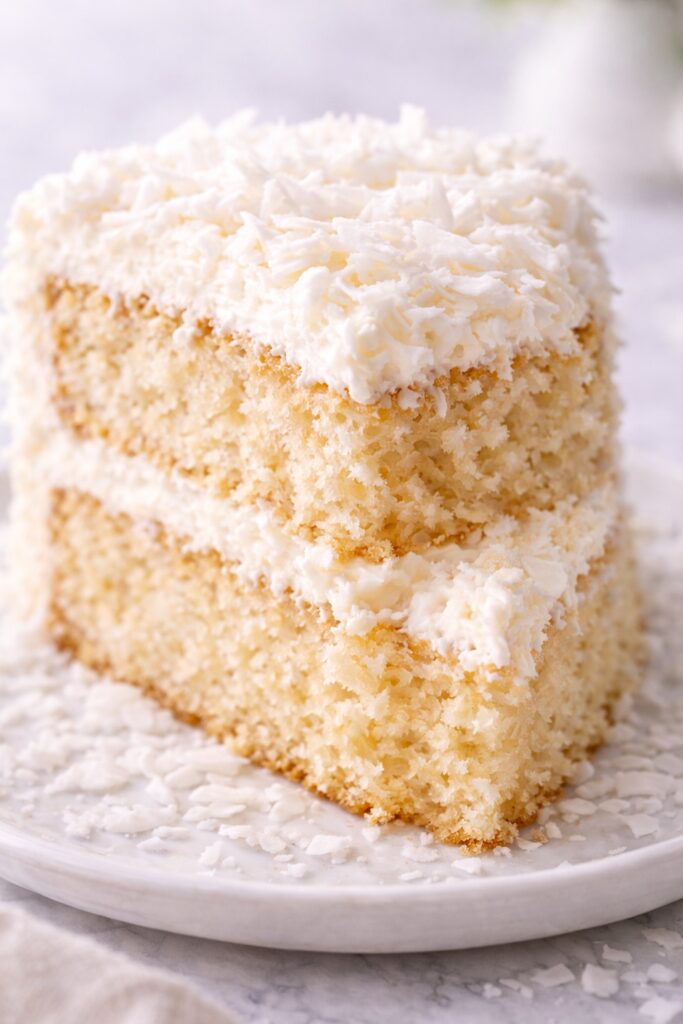
The result is a cake crumb that feels fluffy and tender while still holding its shape when sliced.
Small baking insight: The best coconut cakes usually have a fine, delicate crumb rather than a coarse texture. This comes from properly creamed butter and careful mixing once the flour is added.
Why Coconut Milk Improves Cake Texture
Coconut milk plays an important role in the texture of coconut cake. Because it contains natural fats, it helps keep cake layers moist while still allowing the crumb to stay light and tender.
In baking, liquids that contain fat often produce softer crumbs because fat interferes with gluten development in flour. This is why cakes made with coconut milk tend to stay moist longer than cakes made only with water or low-fat milk.
This balance between moisture and structure is what gives coconut cake its soft, delicate crumb.
Ingredients
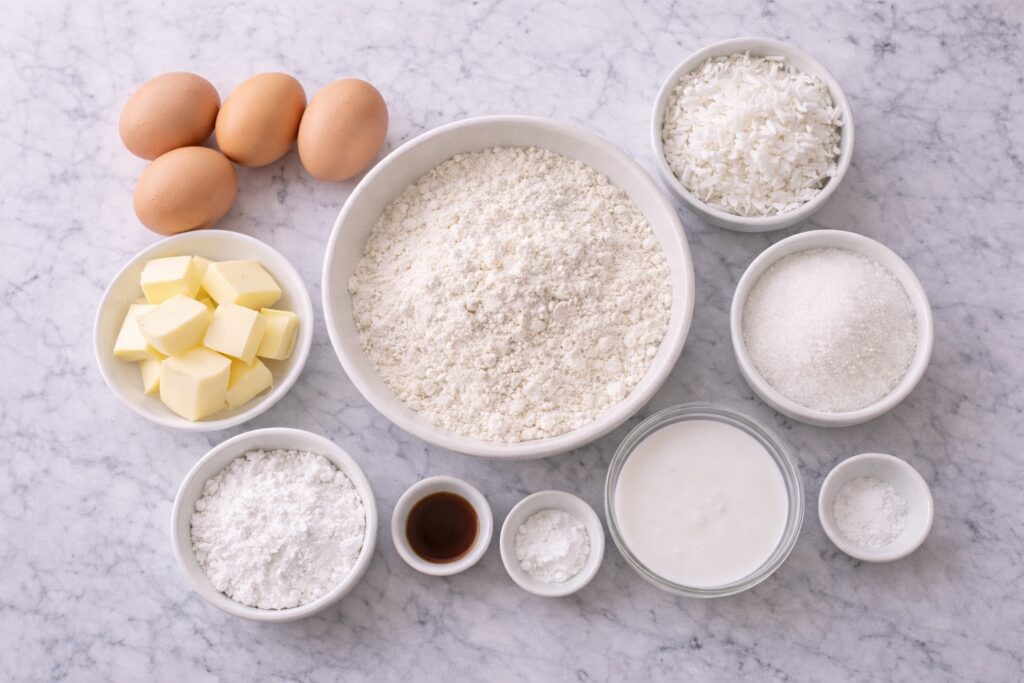
This coconut cake uses simple ingredients to create soft layers with rich coconut flavor and a tender crumb.
Coconut Cake Layers
- 2 ½ cups all-purpose flour
- 2 teaspoons baking powder
- ½ teaspoon baking soda
- ½ teaspoon salt
- ¾ cup unsalted butter, softened
- 1 ¾ cups granulated sugar
- 4 large eggs
- 1 tablespoon vanilla extract
- 1 cup coconut milk
- 1 cup sweetened shredded coconut
Coconut Frosting
- 1 cup unsalted butter, softened
- 4 cups powdered sugar
- 3–4 tablespoons coconut milk
- 1 teaspoon vanilla extract
For the Coconut Coating
- 1 ½ cups shredded coconut
Small baking note: Full-fat coconut milk gives the cake the best flavor and moisture, so it’s worth using if possible.
Coconut Cake Ingredient Ratio Guide
Many classic layer cakes follow a simple balance between flour, fat, sugar, and liquid. Coconut cake uses a similar structure, but the addition of coconut milk and shredded coconut changes the moisture balance slightly.
Understanding these ratios helps explain why the cake turns out soft and fluffy instead of dense.
| Ingredient | Role | Typical Amount |
|---|---|---|
| Flour | Structure | ~2½ cups |
| Butter | Fat & tenderness | ~¾ cup |
| Sugar | Sweetness & moisture | ~1¾ cups |
| Eggs | Structure | 4 eggs |
| Coconut milk | Moisture & flavor | 1 cup |
| Shredded coconut | Texture | 1 cup |
Coconut milk slightly increases the liquid content compared with traditional vanilla layer cakes, which helps the cake stay moist while still maintaining a light crumb.
Small baking insight: Most coconut cakes rely on coconut milk rather than coconut oil for moisture. Coconut oil can make cakes heavier, while coconut milk keeps the crumb softer and more delicate.
Ingredient Notes and Substitutions
Understanding how each ingredient works in coconut cake can help you adjust the recipe if needed while still achieving a soft, moist texture.
Coconut Milk
Coconut milk adds moisture, richness, and the delicate coconut flavor that defines this cake. Full-fat coconut milk works best because it contains enough fat to keep the cake tender.
Substitution:
If coconut milk is unavailable, you can use whole milk combined with 1 teaspoon coconut extract to maintain the coconut flavor.
Small baking note: Shake the can well before measuring so the coconut cream mixes evenly into the milk.
Shredded Coconut
Sweetened shredded coconut is commonly used in coconut cakes because it provides sweetness and a soft chewy texture. It also helps create the classic coconut-coated cake exterior.
Substitution:
Unsweetened shredded coconut can also be used. If using unsweetened coconut, you may want to add 1–2 tablespoons extra sugar to maintain balance.
Butter
Butter contributes both flavor and structure to the cake while helping create a tender crumb.
Room temperature butter creams more easily with sugar, which helps incorporate air into the batter.
Substitution:
You can replace butter with neutral oil (such as vegetable or canola oil) for a softer crumb, though the cake will have slightly less buttery flavor.
Eggs
Eggs provide structure and stability to the cake while helping the batter emulsify properly.
Room temperature eggs mix more evenly into the batter.
Substitution:
For an egg substitute, you can use ¼ cup unsweetened applesauce per egg, although the texture will be slightly softer.
Vanilla Extract
Vanilla enhances the flavor of coconut and adds warmth to the cake’s overall aroma.
Substitution:
Almond extract can be used instead of vanilla for a subtle almond-coconut flavor combination.
Use ½ teaspoon almond extract since it is stronger than vanilla.
Powdered Sugar (Frosting)
Powdered sugar helps create a smooth and fluffy frosting while adding sweetness.
Substitution:
If you prefer a less sweet frosting, you can reduce the powdered sugar slightly and add a little extra coconut milk to maintain the frosting’s texture.
Coconut cakes tend to stay moist longer than many traditional cakes because coconut milk contains natural fat that helps prevent the crumb from drying out.
Coconut cake also pairs well with tangier frostings such as cream cheese frosting, which adds a slight contrast to the sweetness of the cake.
Choosing the Best Coconut for Cake
Coconut cakes can vary widely in texture depending on the type of coconut used.
While many recipes simply list “shredded coconut,” different coconut products behave slightly differently in baking. Ingredient guides such as those from Serious Eats explain how shredded coconut, coconut flakes, and desiccated coconut vary in moisture and texture, which can slightly influence the final cake crumb.
Understanding these differences helps ensure the cake stays soft, moist, and balanced in flavor.
Sweetened vs Unsweetened Coconut
Sweetened shredded coconut is the most commonly used option for classic coconut cakes. It has a soft texture and mild sweetness that blends easily into both the batter and frosting.
Unsweetened coconut has a more natural coconut flavor but tends to be slightly drier. When using unsweetened coconut, the cake may need a small increase in sugar to maintain balance.
Small baking insight:
Sweetened coconut also helps the exterior coconut coating stick more easily to the frosting.
Shredded Coconut vs Desiccated Coconut
Shredded coconut consists of longer, soft strands of coconut. It adds gentle chewiness and visible coconut texture throughout the cake.
Desiccated coconut is much finer and drier. It is sometimes used in sponge cakes but can absorb more moisture from the batter.
For classic American coconut layer cakes, shredded coconut usually provides the best texture.
Fresh Coconut
Fresh coconut can also be used, although it is less common in traditional coconut cake recipes.
Fresh coconut has a clean, delicate flavor and a slightly firmer texture. When using fresh coconut, it is best to shred it finely so it distributes evenly through the batter.
Toasted Coconut for Decoration
Toasted coconut is often used as a finishing touch for coconut cakes.
Lightly toasting coconut enhances its flavor and adds a subtle nutty aroma that contrasts beautifully with the soft cake layers.
Only toast the coconut used for garnish, since toasted coconut inside the batter can become too dry during baking.
💡 BlogDolceVita baking insight
Many classic bakery-style coconut cakes use sweetened shredded coconut for the cake exterior and frosting, while the batter itself relies on coconut milk for moisture and flavor.
This balance keeps the cake soft while still delivering the recognizable coconut taste in every bite.
Equipment You’ll Need
Having the right tools makes baking much easier and helps ensure consistent results.
- 2 round 9-inch cake pans
- mixing bowls
- electric mixer or stand mixer
- rubber spatula
- cooling rack
- offset spatula for frosting
Small kitchen tip:
If you only have one cake pan, you can bake the layers one at a time.
Key Baking Tips for Perfect Coconut Cake
A few simple baking techniques can make a big difference in how soft, moist, and fluffy your coconut cake turns out. These tips help ensure the cake layers bake evenly and hold their structure when assembled.
Use Room Temperature Ingredients
Butter, eggs, and coconut milk should all be at room temperature before mixing. This helps the batter emulsify properly and creates a smoother, more even texture.
Cold ingredients can cause the batter to separate, which may affect the cake’s crumb.
Cream Butter and Sugar Properly
Creaming butter and sugar for several minutes introduces air into the batter. These tiny air pockets expand during baking and help create a light, fluffy cake.
The mixture should look pale, smooth, and slightly airy before adding the eggs.
Measure Flour Carefully
Too much flour can make coconut cake dry or dense.
For best accuracy, either weigh the flour with a kitchen scale or use the spoon-and-level method when measuring with cups, a technique commonly recommended in professional baking guides such as those from King Arthur Baking.
Small baking note: Scooping flour directly from the bag often packs extra flour into the measuring cup.
Do Not Overmix the Batter
Once the flour mixture is added, mix the batter only until the ingredients are just combined.
Overmixing can develop gluten in the flour, which can make the cake layers heavier instead of soft and tender.
Allow the Cake Layers to Cool Completely
Cooling the cake layers fully before frosting helps prevent melting and sliding.
Some bakers prefer to chill the cake layers briefly before assembling because slightly chilled cakes are easier to frost neatly.
💡 BlogDolceVita baking insight
Layer cakes often become easier to assemble when the cake layers are slightly chilled. A cooler crumb is firmer, which helps prevent crumbs from mixing into the frosting.
Before you begin baking, take a moment to read through the steps and prepare your ingredients.
Coconut cake is one of those recipes that feels elegant but is actually very simple once everything is ready. When the butter, eggs, and coconut milk are already measured and at room temperature, the batter comes together quickly and the cake layers bake evenly.
Small baking note:
Layer cakes often turn out best when the baking process feels calm and organized. Taking a few minutes to prepare the ingredients before mixing can make the entire recipe smoother from start to finish.
Quick Step Overview
Making coconut cake follows the classic method used for many soft layer cakes. The batter comes together by creaming butter and sugar, adding eggs and coconut milk, and then baking the layers until light and fluffy.
Here is a quick look at the process before we go step by step:
- Prepare the cake pans and preheat the oven
- Mix the dry ingredients
- Cream the butter and sugar until light and fluffy
- Add the eggs and vanilla
- Alternate the coconut milk and dry ingredients
- Fold in shredded coconut
- Bake the cake layers
- Cool, frost, and assemble the cake
Small baking note: Reading through the steps before starting helps the batter come together smoothly and the cake bake more evenly.
How to Make Coconut Cake
1. Prepare the Cake Pans
Preheat the oven to 350°F (175°C).
Grease two 9-inch cake pans and line the bottoms with parchment paper so the cakes release easily.
2. Mix the Dry Ingredients
In a bowl whisk together:
- flour
- baking powder
- baking soda
- salt
Set aside.
3. Cream Butter and Sugar
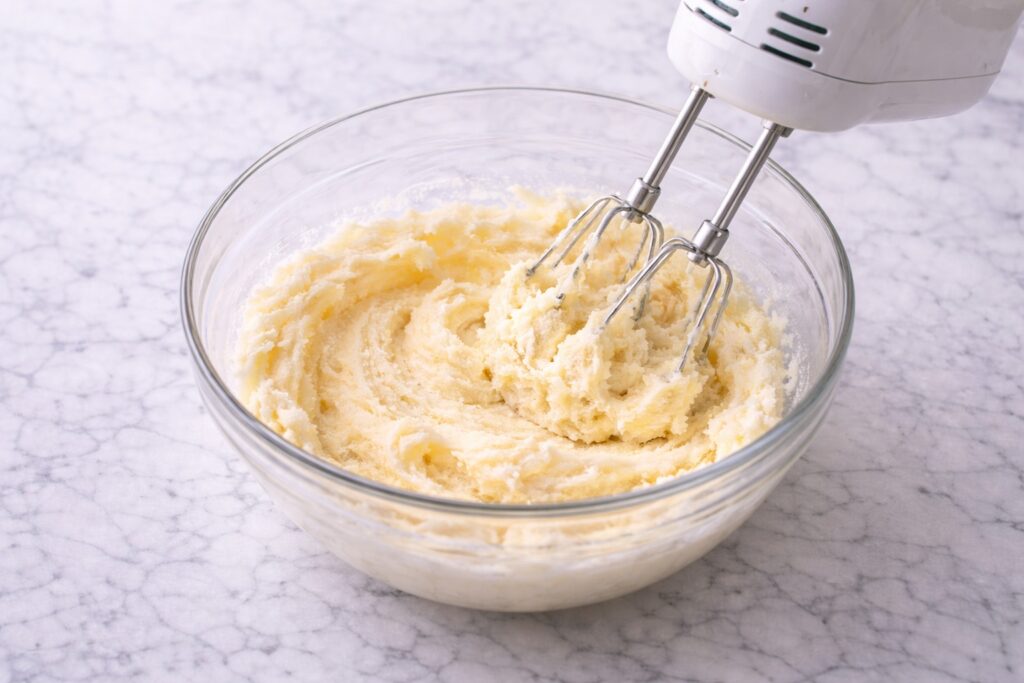
In a large bowl beat butter and sugar for 3–4 minutes until light and fluffy.
Small baking insight: When properly creamed, the mixture becomes pale and slightly airy.
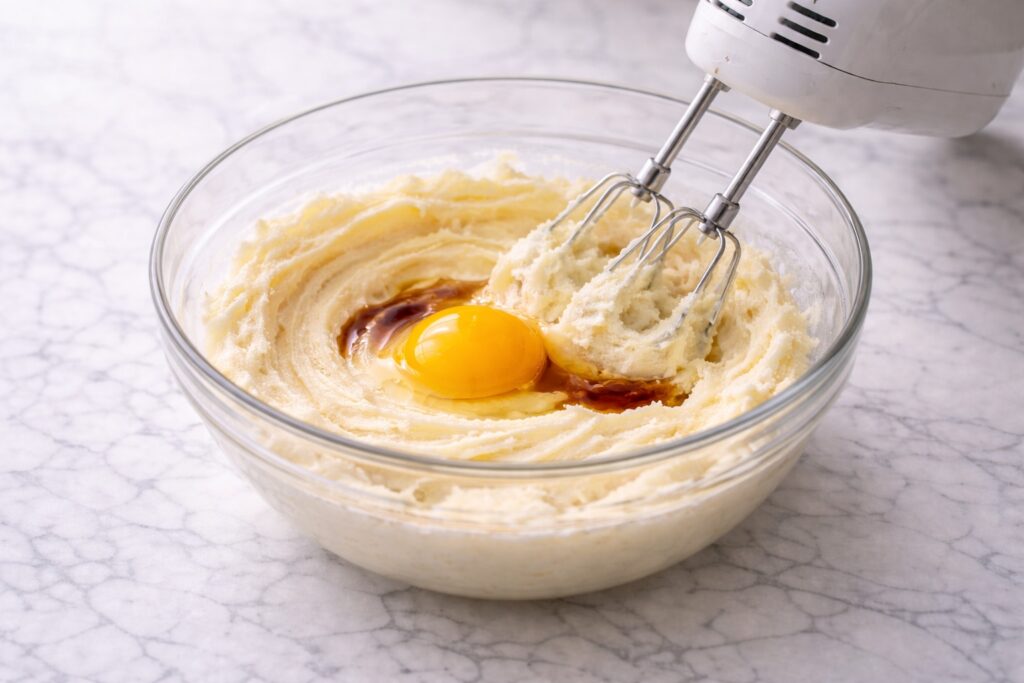
4. Add Eggs and Vanilla
Beat in the eggs one at a time, mixing well after each addition.
Stir in the vanilla extract.
5. Add Coconut Milk and Dry Ingredients
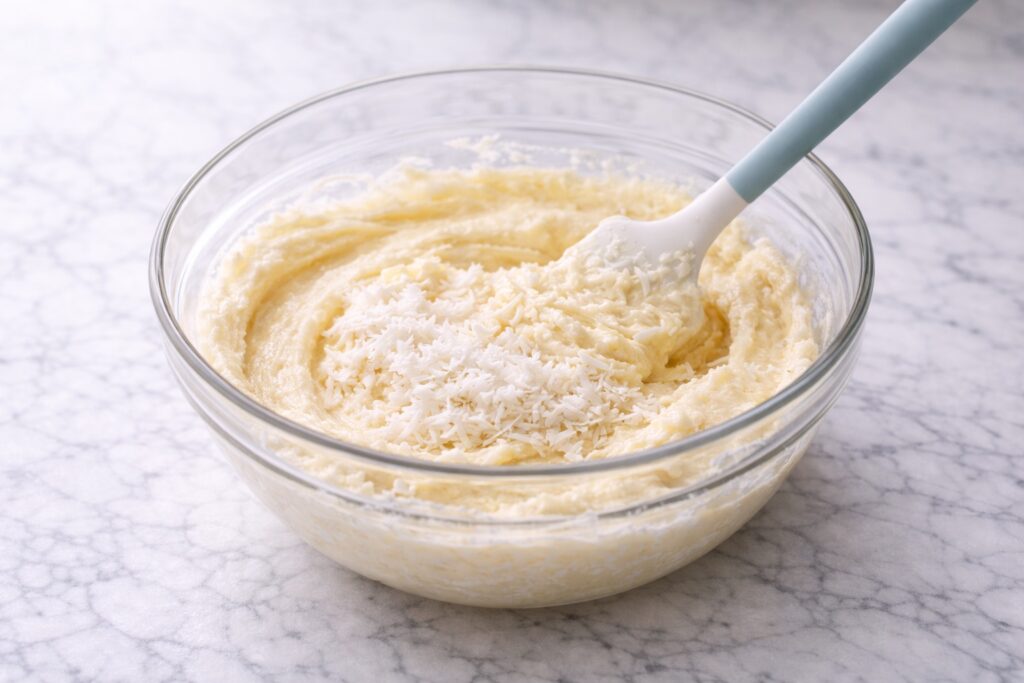
Add the flour mixture and coconut milk alternately:
- flour mixture
- coconut milk
- flour mixture
- coconut milk
Mix until just combined.
Fold in shredded coconut.
6. Bake
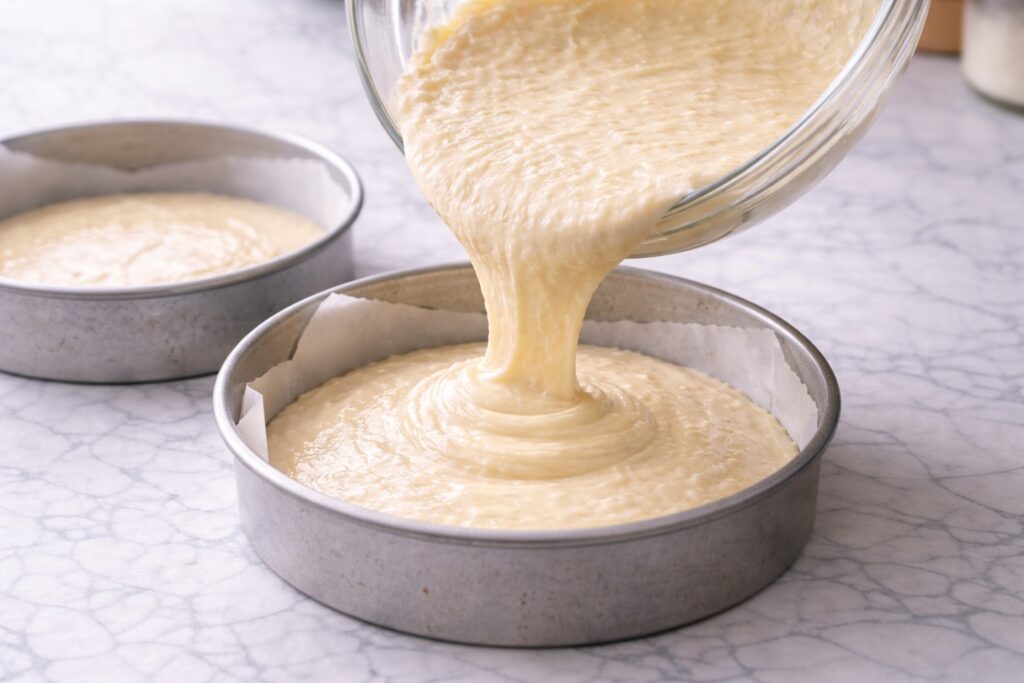
Divide batter evenly between the cake pans.
Bake for 25–30 minutes.
The cakes are ready when:
- the tops spring back lightly when touched
- a toothpick inserted in the center comes out clean
7. Cool the Cakes
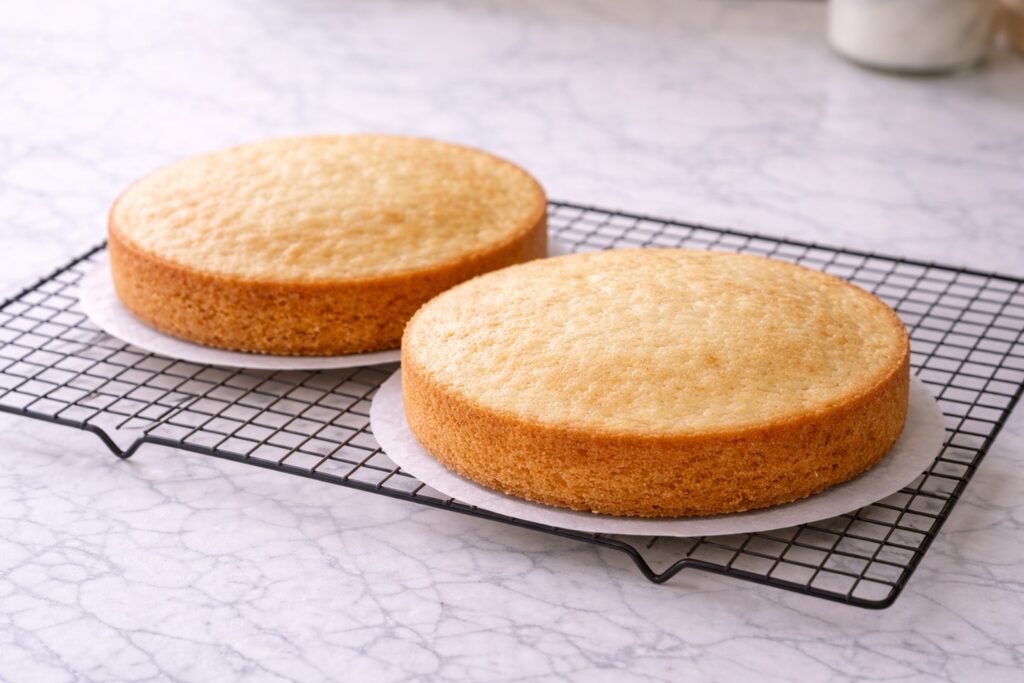
Cool the cakes in the pans for 10 minutes, then transfer to a cooling rack to cool completely.
8. Frost and Assemble
Spread frosting over the first cake layer.
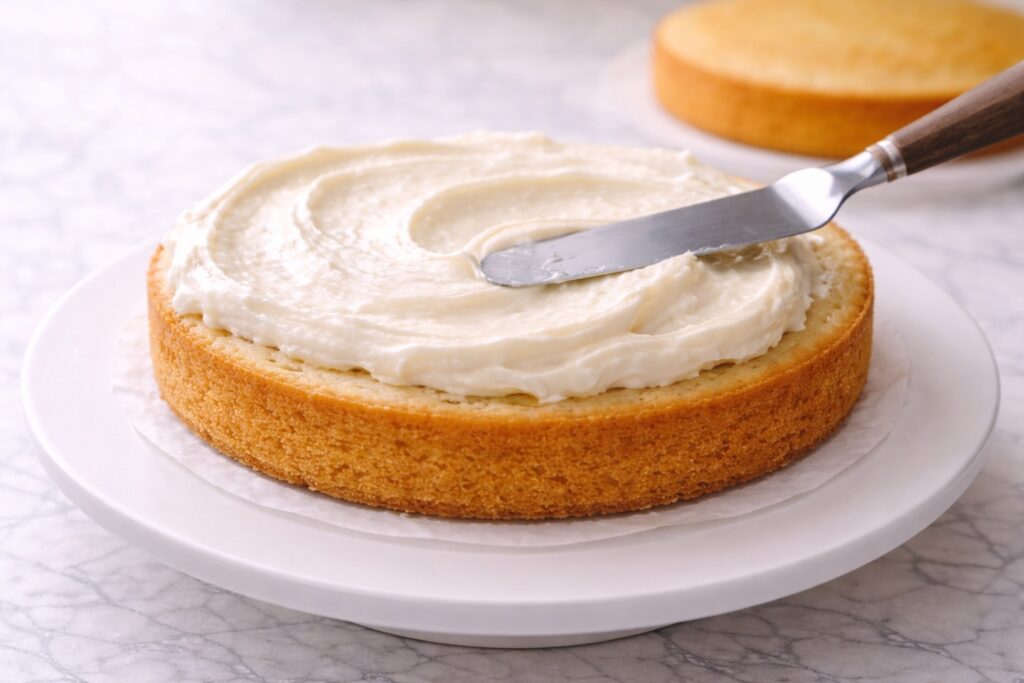
Place the second layer on top and frost the top and sides.
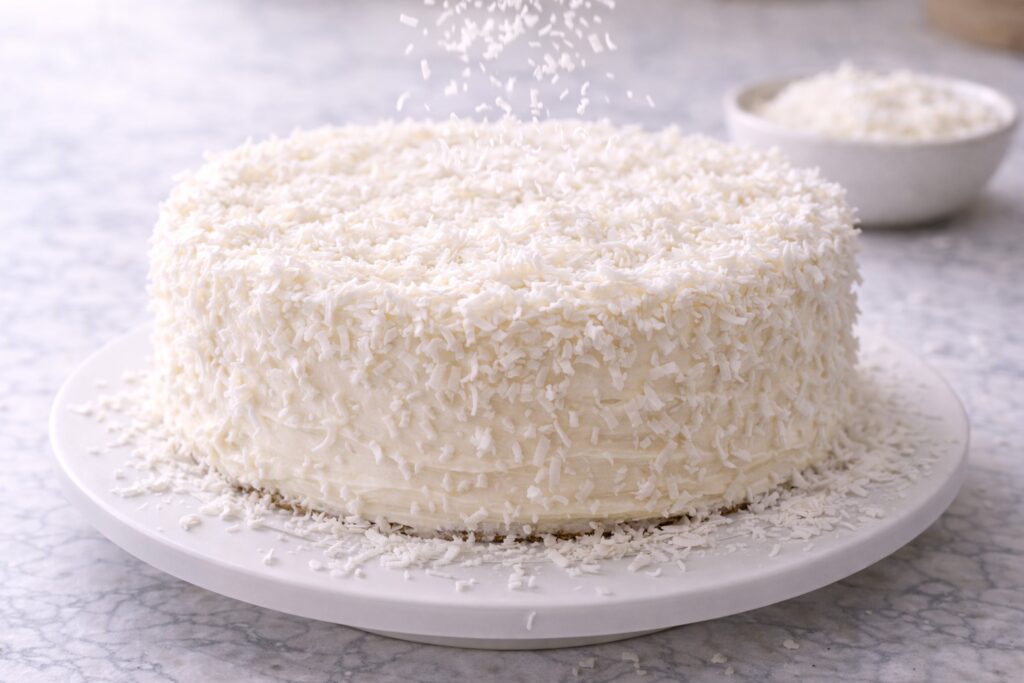
Press shredded coconut gently onto the cake for the classic coconut finish.
How to Know When Coconut Cake Is Done Baking
Coconut cake layers should bake until they are light, fluffy, and fully set in the center. Because ovens can vary slightly, it helps to look for a few visual and texture cues rather than relying only on the baking time.
The Top Springs Back
Gently press the center of the cake with your fingertip.
If the surface springs back quickly, the cake is fully baked.
A Toothpick Comes Out Clean
Insert a toothpick into the center of the cake layer.
If the toothpick comes out clean or with only a few soft crumbs, the cake is ready. Wet batter on the toothpick means the cake needs a few more minutes.
The Edges Pull Slightly Away from the Pan
As the cake finishes baking, the edges often begin to pull slightly away from the sides of the pan.
This is a good visual sign that the cake structure has set.
The Cake Looks Light and Golden
A properly baked coconut cake should have a light golden color on top with a soft, even surface.
If the cake layers are slightly underbaked in the center, return them to the oven for 2–3 additional minutes and check again.
How to Decorate Coconut Cake
Coconut cake has a naturally elegant look thanks to its soft frosting and delicate coconut flakes. Even simple decoration techniques can create a beautiful cake that feels perfect for celebrations or special occasions.
Classic Coconut Coating
The most traditional way to decorate coconut cake is by covering the frosted cake with shredded coconut.
After frosting the cake, gently press shredded coconut onto the sides and top until the surface is evenly coated. This creates the classic snowy coconut finish that many bakery-style coconut cakes are known for.
Small baking tip: Holding the cake slightly over a baking sheet makes it easier to catch the extra coconut flakes while coating the sides.
Toasted Coconut Garnish
For extra flavor and contrast, toasted coconut can be sprinkled on top of the cake.
Lightly toasted coconut adds a subtle nutty aroma and a beautiful golden color that stands out against the white frosting.
Fresh Fruit Decoration
Fresh fruit pairs beautifully with coconut cake and adds natural color to the presentation.
Some popular choices include:
- strawberries
- raspberries
- pineapple slices
- mango pieces
These fruits complement the tropical flavor of coconut while keeping the cake light and refreshing.
Simple Celebration Style
For birthdays or gatherings, coconut cake can be decorated with piped frosting swirls around the edges.
A few coconut flakes or fruit pieces placed in the center create an elegant finish without requiring complicated cake decorating skills.
💡 BlogDolceVita decorating note
Coconut cakes often look best with a slightly rustic finish. The soft coconut flakes naturally create texture, so the cake does not need perfectly smooth frosting to look beautiful.
Layer Cake Assembly Guide
Assembling a coconut layer cake is easier when the cake layers are fully cooled and slightly firm.
Start by placing the first cake layer on a serving plate or cake stand. Spread an even layer of frosting across the top, making sure the frosting reaches the edges.
Place the second cake layer gently on top and press lightly to stabilize the cake. Frost the top and sides using an offset spatula.
Once the cake is frosted, press shredded coconut onto the sides and sprinkle additional coconut flakes over the top.
Small baking tip: If the cake layers feel very soft, chilling them for 20–30 minutes before frosting can make the assembly process much easier.
Coconut Types for Baking
Not all coconut products behave the same way in baking. Choosing the right type can affect the cake’s texture, moisture level, and flavor intensity.
| Coconut Type | Texture | Flavor Strength | Best Use |
|---|---|---|---|
| Sweetened shredded coconut | Soft and chewy | Medium | Frosting and coating |
| Unsweetened shredded coconut | Slightly drier | Mild | Cake batter |
| Coconut flakes | Large and crisp | Medium | Decoration |
| Toasted coconut | Crisp | Strong | Garnish |
Sweetened shredded coconut is the most common type used for classic coconut cakes because it adds both sweetness and moisture.
Coconut Milk vs Coconut Cream
| Ingredient | Fat Content | Texture Effect | Best Use |
|---|---|---|---|
| Coconut milk | Medium | Moist crumb | Cake batter |
| Coconut cream | High | Richer texture | Frostings or fillings |
Coconut milk usually works best in coconut cake batter because it adds moisture without making the cake too dense.
How to Toast Coconut
Toasting coconut enhances its flavor and gives it a lightly nutty aroma.
Oven Method
- Preheat oven to 325°F (165°C)
- Spread shredded coconut on a baking sheet
- Bake 5–8 minutes, stirring occasionally
The coconut should turn lightly golden.
Small baking note:
Coconut can burn quickly, so keep an eye on it during baking.
Why Coconut Cakes Stay Moist
Several ingredients help coconut cakes maintain their soft texture.
| Ingredient | Role |
|---|---|
| Coconut milk | Adds fat and moisture |
| Butter | Creates tender crumb |
| Eggs | Provide structure |
| Sugar | Helps retain moisture |
Because coconut milk contains natural fat, coconut cakes often stay moist longer than traditional sponge cakes.
Coconut Cake Flavor Variations
Once you master the base coconut cake recipe, you can easily create variations.
Pineapple Coconut Cake
Add crushed pineapple between the layers for a tropical twist similar to the classic pineapple-and-cake pairing used in Pineapple Upside Down Cake.
Lemon Coconut Cake
Add lemon zest to the batter and a little lemon juice to the frosting for a bright citrus variation similar to the flavor profile of Lemon Cake.
Chocolate Coconut Cake
Pair coconut cake layers with chocolate ganache frosting.
Almond Coconut Cake
Add a small amount of almond extract to the batter.
Coconut Cake Troubleshooting
| Problem | Cause | Solution |
|---|---|---|
| Cake is dense | Batter overmixed | Mix only until combined |
| Cake is dry | Too much flour | Measure flour carefully |
| Cake sinks | Oven temperature too low | Always preheat oven |
| Frosting melts | Cake still warm | Cool layers completely |
Using a kitchen scale to measure flour can improve baking consistency.
Common Coconut Cake Mistakes
Even though coconut cake is considered a relatively simple layer cake, a few small mistakes can affect its texture and structure. Understanding these common issues can help ensure the cake turns out soft, moist, and evenly baked.
Overmixing the Batter
One of the most common causes of dense cake layers is overmixing the batter. Once the flour is added, mixing too long can develop gluten, which makes cakes heavier instead of light and fluffy.
For the best texture, mix the batter only until the ingredients are just combined.
Small baking insight:
A few small lumps in the batter are completely normal.
Using Cold Ingredients
Cold butter, eggs, or milk do not blend evenly into the batter. This can prevent the mixture from emulsifying properly and may result in uneven texture.
Allow ingredients such as butter, eggs, and coconut milk to reach room temperature before baking.
Opening the Oven Too Early
Opening the oven door too early during baking can cause the cake layers to sink in the center.
Try to avoid opening the oven during the first 20 minutes of baking, when the cake structure is still forming.
Frosting the Cake While Warm
Warm cake layers are delicate and can cause frosting to melt or slide off the cake.
Allow the layers to cool completely before assembling and frosting.
For extra stability, some bakers briefly chill the cake layers before decorating.
💡 BlogDolceVita baking insight
Layer cakes often become much easier to assemble when the cake layers are slightly chilled. The cooler crumb is firmer, which helps prevent crumbs from mixing into the frosting.
Serving Ideas for Coconut Cake
Coconut cake is a versatile dessert that can be served in many simple but beautiful ways. Its light coconut flavor pairs well with fresh fruit, whipped cream, or tropical accents that highlight the cake’s delicate sweetness.
Classic Cake Slices
The simplest way to serve coconut cake is as traditional layer cake slices.
Cut the cake into even wedges and serve on small dessert plates. The soft crumb, creamy frosting, and coconut flakes create a dessert that feels both comforting and elegant.
Coconut Cake with Fresh Berries
Fresh berries add color and brightness that balance the sweetness of the cake. The combination of berries and cream is similar to classic desserts like Strawberry Shortcake, where light cake and fresh fruit create a refreshing dessert.
Try serving slices with:
- strawberries
- raspberries
- blueberries
The slight tartness of berries complements the creamy coconut frosting beautifully.
Tropical Dessert Plate
For a tropical-inspired presentation, serve coconut cake with fresh fruit such as:
- pineapple slices
- mango cubes
- passion fruit
These fruits enhance the natural coconut flavor and create a refreshing dessert plate.
The light tropical flavor of coconut cake also pairs beautifully with desserts such as Pineapple Upside Down Cake, which shares a similar sweet and fruity profile.
Coconut Cake with Whipped Cream
A small dollop of lightly sweetened whipped cream can make coconut cake feel even lighter and more delicate.
This is especially nice when serving the cake after a larger meal.
Celebration Cake Presentation
For parties or gatherings, coconut cake can be displayed on a simple cake stand.
A few fresh flowers, berries, or toasted coconut flakes around the base of the cake can create an elegant centerpiece for the dessert table.
💡 BlogDolceVita serving note
Coconut cake tastes best when served at room temperature. Allowing the cake to sit out for a short time before serving helps the frosting soften and the flavors fully develop.
Storage
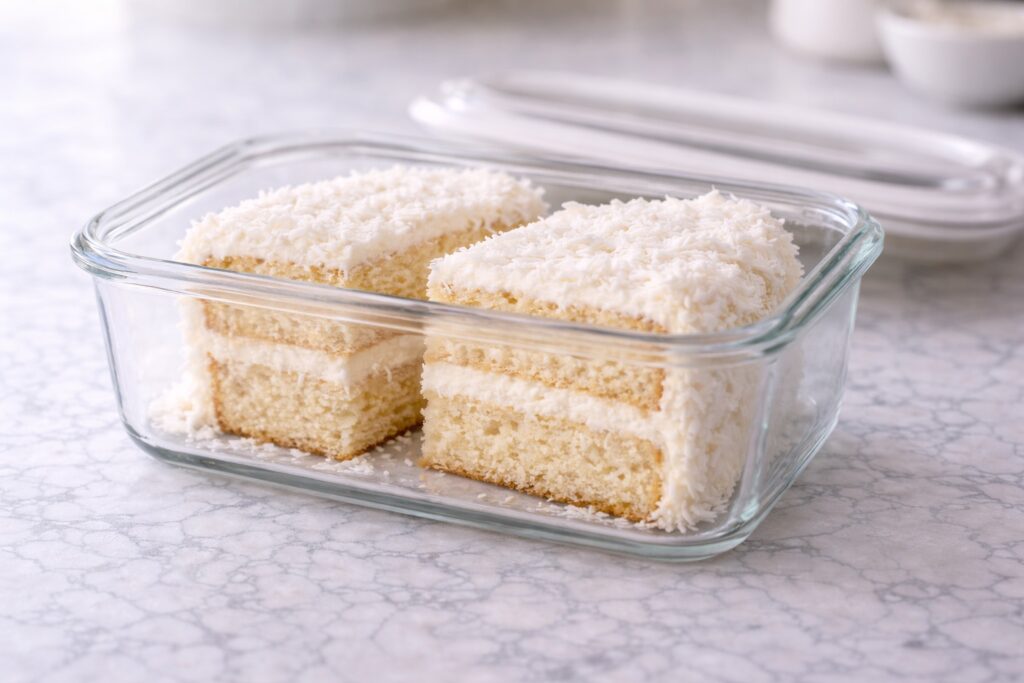
- Room Temperature: Store the cake covered for up to 2 days.
- Refrigerator: Coconut cake keeps up to 5 days in an airtight container.
- Freezer: Unfrosted cake layers freeze well for up to 2 months. Wrap layers tightly before freezing.
Frequently Asked Questions
Can coconut cake be made ahead?
Yes. Cake layers can be baked one day in advance and stored covered.
Can coconut cake be frozen?
Yes. Freeze unfrosted cake layers tightly wrapped for up to 2 months.
Can I use coconut cream instead of coconut milk?
Yes, but coconut cream will produce a slightly richer and denser cake.
Can I make coconut cake without shredded coconut?
Yes. Coconut cake can still be made using coconut milk alone for flavor. The shredded coconut mainly adds texture and visual appearance, so the cake will still bake soft and moist without it.
Coconut Cake Success Checklist
For the best homemade coconut cake, keep these simple baking tips in mind before you begin:
- Use room temperature butter, eggs, and coconut milk for a smooth batter.
- Cream the butter and sugar until pale and fluffy to create a light cake texture.
- Mix the batter gently once flour is added to keep the crumb soft.
- Allow cake layers to cool completely before frosting.
- Press shredded coconut gently onto the frosting for an even coating.
Coconut Cake
This coconut cake is soft, fluffy, and moist, made with coconut milk, shredded coconut, and creamy frosting for a classic homemade layer cake perfect for birthdays, holidays, and special occasions.
Ingredients
For the Coconut Cake Layers
- 2 1/2 cups all-purpose flour
- 2 teaspoons baking powder
- 1/2 teaspoon baking soda
- 1/2 teaspoon salt
- 3/4 cup unsalted butter, softened
- 1 3/4 cups granulated sugar
- 4 large eggs
- 1 tablespoon vanilla extract
- 1 cup coconut milk
- 1 cup sweetened shredded coconut
For the Coconut Frosting
- 1 cup unsalted butter, softened
- 4 cups powdered sugar
- 3 to 4 tablespoons coconut milk
- 1 teaspoon vanilla extract
For the Coconut Coating
- 1 1/2 cups shredded coconut
Instructions
- Preheat the oven to 350°F (175°C). Grease two 9-inch round cake pans and line the bottoms with parchment paper.
- In a medium bowl, whisk together the flour, baking powder, baking soda, and salt.
- In a large mixing bowl, beat the butter and sugar until pale and fluffy, about 3–4 minutes.
- Add the eggs one at a time, beating well after each addition, then mix in the vanilla extract.
- Add the dry ingredients and coconut milk alternately, beginning and ending with the dry ingredients. Mix until just combined.
- Fold the shredded coconut into the batter until evenly distributed.
- Divide the batter evenly between the prepared pans and bake for about 25 minutes, or until a toothpick inserted in the center comes out clean. Let the cakes cool in the pans for 10 minutes, then transfer to a wire rack to cool completely.
- Beat the butter, powdered sugar, coconut milk, and vanilla until smooth and creamy. Place one cake layer on a serving plate, spread frosting on top, add the second layer, frost the top and sides, then press shredded coconut onto the cake before slicing and serving.
Notes
Use full-fat coconut milk for the best flavor and a moist cake texture.
Cream the butter and sugar until pale and fluffy. This step traps air in the batter and helps create a lighter coconut cake crumb.
Avoid overmixing the batter once the flour is added. Gentle mixing keeps the cake soft and tender instead of dense.
If the frosting feels too thick, add a small splash of coconut milk until it becomes smooth and easy to spread.
Store leftover coconut cake covered in the refrigerator for up to 5 days.
Nutrition Information:
Yield: 12 slices Serving Size: 1 sliceAmount Per Serving: Calories: 520Total Fat: 27gCarbohydrates: 66gSugar: 48gProtein: 5g
Nutrition information is automatically calculated and should be considered an estimate only. Exact values may vary depending on the specific ingredients and brands used.
Final Thoughts
Few cakes capture the comfort of homemade baking quite like a classic coconut cake. If you enjoy coconut desserts, you might also love this creamy Coconut Cream Pie, another classic treat that highlights the rich flavor of coconut.
Whether you bake it for a celebration, a spring gathering, or simply for a cozy weekend treat, coconut cake brings together simple ingredients and classic baking techniques in a dessert that always feels a little special.
12 Sweet Favorites — Yours, Free 🍰
Tiramisù, no-bake cheesecake, the perfect chocolate chip cookie & 9 more reader-loved desserts — gathered into one beautiful free recipe book. From my kitchen to yours.
No spam, just sweet things. Unsubscribe anytime.