High Protein Waffles (Crispy Outside, Soft Inside)
🎁 FREE E-BOOK: 12 Sweet Favorites — reader-loved desserts in one beautiful recipe book.
High protein waffles are crispy on the outside, soft on the inside, and made with oats, protein powder, eggs, and yogurt for a balanced, satisfying breakfast that feels both comforting and practical.
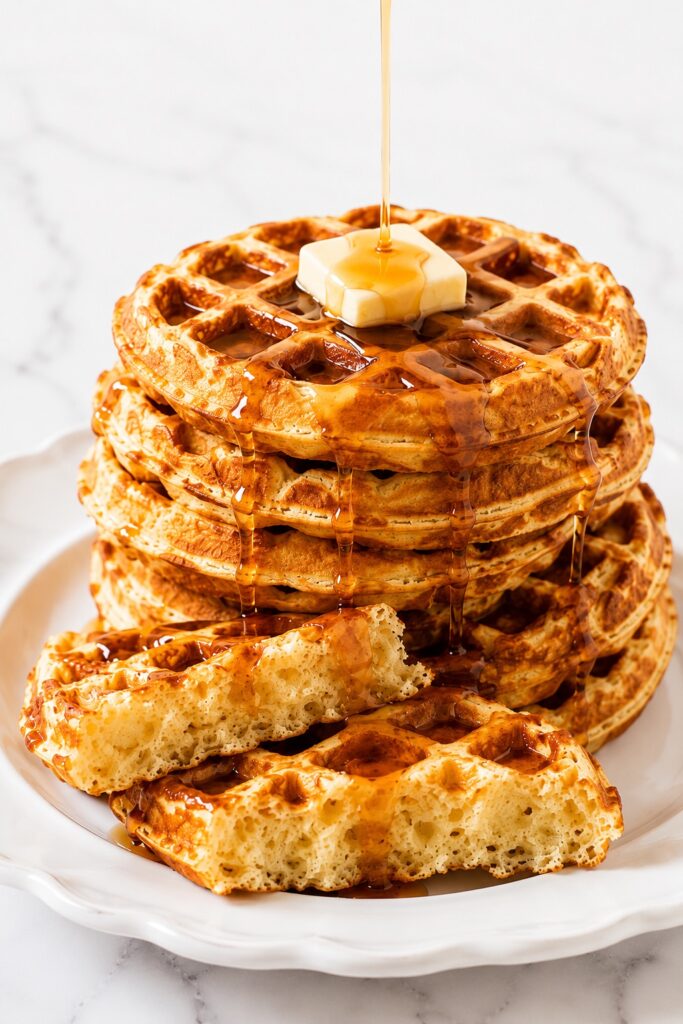
Cooked in a waffle iron, they develop golden edges and a structured texture that holds toppings beautifully while staying tender in the center.
There’s something especially satisfying about lifting the waffle iron and seeing that golden grid fully formed, lightly crisp on the edges, soft in the center, and warm enough to release that familiar toasted aroma. It’s one of those small kitchen moments that instantly makes breakfast feel more comforting and complete.
If you want a breakfast that feels just as comforting as classic waffles but gives you a little more staying power, these high protein waffles are one of those recipes you’ll naturally keep on repeat. They cook up with crisp edges, a soft interior, and that warm, toasted aroma that makes the kitchen feel instantly inviting.
What makes them especially appealing is that they do not feel like a compromise. They still have that familiar waffle texture, lightly crisp outside, tender inside, just a little more balanced.
There is usually a moment when you realize these are not just “healthy waffles.” It happens when you lift the waffle iron and see the golden grid, lightly crisp and structured, with that familiar homemade waffle smell.
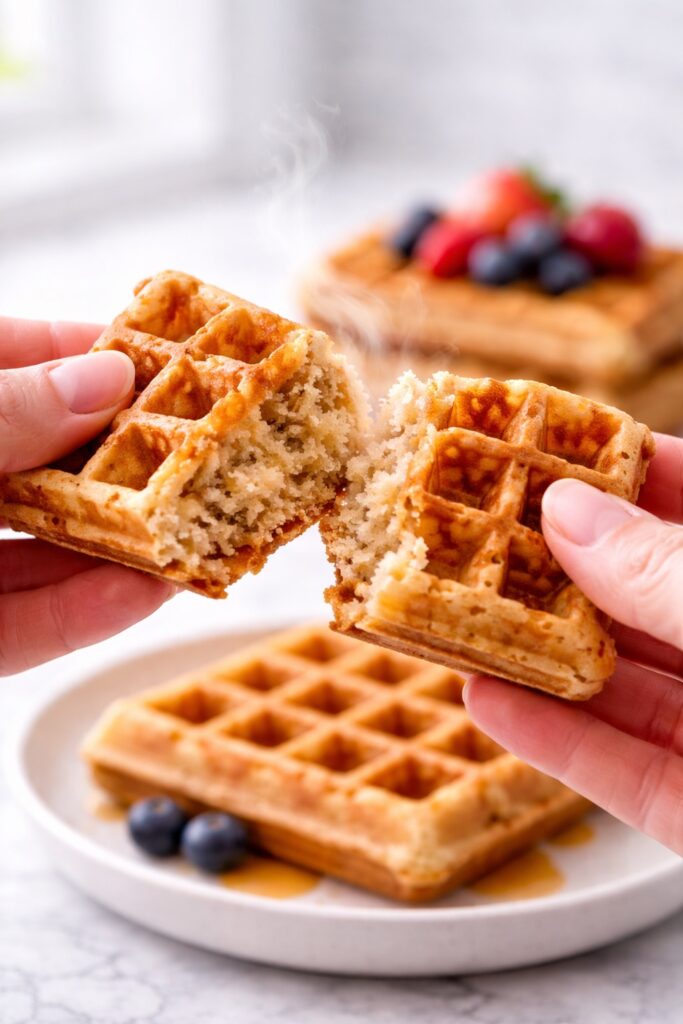
This recipe comes together easily and fits naturally into both everyday mornings and simple meal prep routines.
Quick answer: High protein waffles are made by blending oats, protein powder, eggs, yogurt, and milk into a smooth batter, then cooking it in a waffle iron until the exterior turns golden and lightly crisp while the inside stays soft and tender.
Small details like batter thickness and waffle iron temperature make the biggest difference in how crisp the outside becomes while keeping the inside soft.
If you enjoy balanced breakfasts like this, you might also like these protein pancakes recipe for a softer stovetop option.
What Are High Protein Waffles?
At a basic level, high protein waffles follow the same idea as classic waffles, but with a more balanced ingredient structure.
They are made with ingredients like oats, protein powder, eggs, and yogurt to increase protein content while maintaining a crisp exterior and soft interior. Unlike traditional waffles, they rely on a careful balance of moisture, fat, and structure to prevent dryness while still achieving a golden, lightly crisp finish.
Because they are cooked in a waffle iron, they develop a more structured texture than pancakes, which makes them especially good for holding toppings and for meal prep breakfasts.
Quick Recipe Overview
| Best For | Breakfast, meal prep, high protein mornings |
| Texture | Crispy on the outside, soft and tender inside |
| Flavor | Lightly sweet, warm vanilla with a subtle richness |
| Difficulty | Easy |
| Time | About 20 minutes |
| Servings | 4 waffles |
| Method | Blender batter + waffle iron |
In short: These high protein waffles cook up golden and lightly crisp on the outside while staying soft and tender inside. They are easy to make, balanced, and perfect for everyday breakfasts or meal prep.
Why You’ll Love These High Protein Waffles
- Crispy outside with a soft, tender center
- Higher in protein than classic waffles
- Easy to make with simple ingredients
- Perfect for breakfast or meal prep
- Holds toppings beautifully
- Freezer-friendly and easy to reheat
They are the kind of recipe you can rely on, whether you have time for a slow breakfast or just need something quick and consistent.
If you enjoy easy breakfast recipes like this, you might also explore more easy breakfast ideas that fit naturally into everyday mornings.
Why This Recipe Works
High protein waffle batter needs a slightly different balance than pancake batter. Because waffles cook in direct heat from both sides, they need enough structure to hold their shape while also staying moist inside.
This recipe works because it balances:
- protein from powder, yogurt, and eggs
- moisture from yogurt, milk, and eggs
- structure from oats and eggs
- fat for crisp edges
- lift from baking powder
That balance is what creates waffles that are crisp on the outside but still soft and tender inside, instead of dry or dense.
Different protein powders behave differently based on their composition, with whey typically producing softer waffles and plant-based proteins absorbing more liquid and creating a slightly firmer texture.
This balance is what separates high protein waffles that turn out dry or dense from ones that stay soft inside while still developing a lightly crisp exterior.
Small technical insight: Unlike pancakes, waffles rely more heavily on fat and direct surface heat to develop their crisp texture. That is why even a small adjustment in fat or moisture can noticeably change the final result. If you want to compare that texture to a more classic breakfast version, this waffle recipe is a helpful reference point.
Key takeaway: the balance between moisture, protein, and fat is what keeps these waffles soft inside while still allowing the outside to crisp properly.
Baking Science Behind High Protein Waffles
The texture of waffles comes from a combination of heat, moisture, and fat.
This balance is what gives waffles their signature contrast between crisp exterior and soft interior.
When the batter hits the hot waffle iron, moisture inside the batter turns to steam, helping create a soft interior.
At the same time, direct heat on the outside creates a golden, lightly crisp crust, giving waffles their signature texture contrast.
Part of that browning comes from the Maillard reaction, which is what helps create those deeper toasted flavors and that appetizing golden color on the outside.
In simple terms: steam creates softness inside, while direct heat and fat create that golden, lightly crisp exterior.
The combination of steam from the batter and direct contact heat is what creates that contrast between a soft interior and a lightly crisp exterior.
Fat plays an important role here. A small amount of butter or oil helps the exterior crisp properly while preventing sticking.
Protein adds structure but can also absorb moisture quickly. That is why balancing liquid ingredients is essential for keeping the interior soft instead of dry.
Small baking insight: Waffles crisp best when the batter is thick enough to hold structure, but still hydrated enough to create steam during cooking.
Ingredients
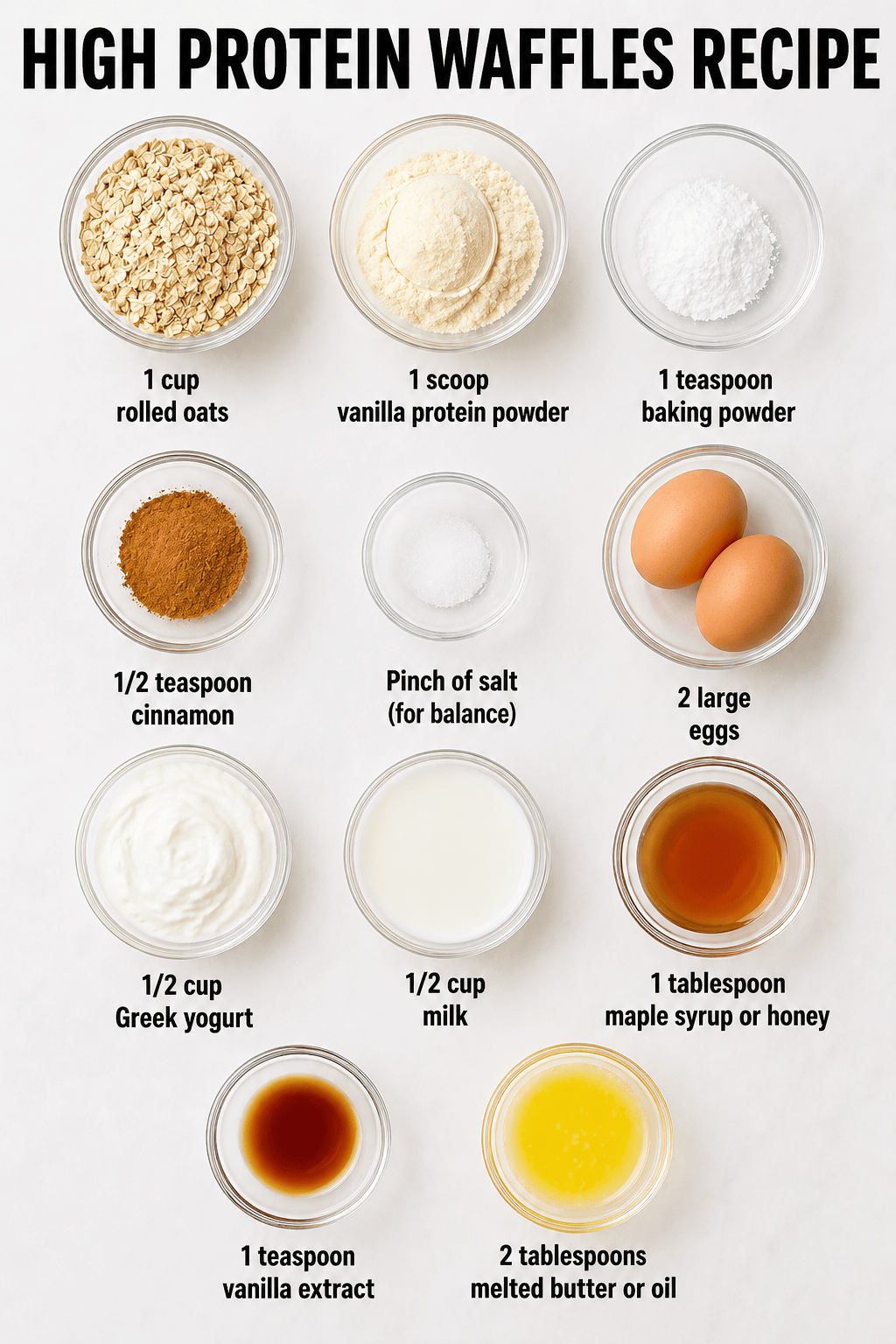
These ingredients are carefully balanced to create high protein waffles that are crisp on the outside and soft on the inside, without turning dry or dense. Each one plays a role in texture, structure, and overall consistency.
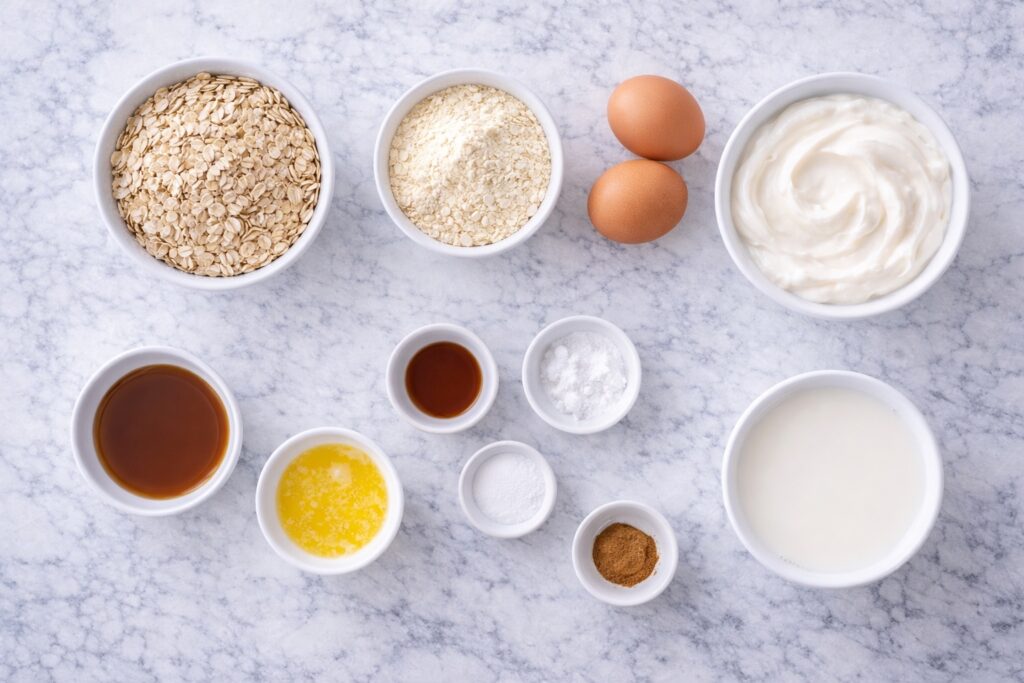
- 1 cup rolled oats
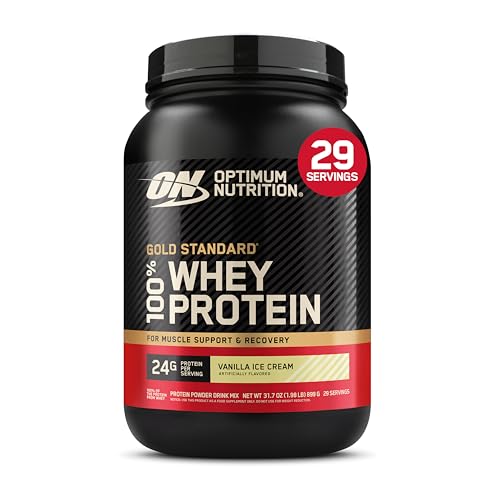
- 1 scoop vanilla protein powder
- 1 teaspoon baking powder
- 1/2 teaspoon cinnamon
- Pinch of salt (for balance)
- 2 large eggs
- 1/2 cup Greek yogurt
- 1/2 cup milk
- 1 tablespoon maple syrup or honey
- 1 teaspoon vanilla extract
- 2 tablespoons melted butter or oil
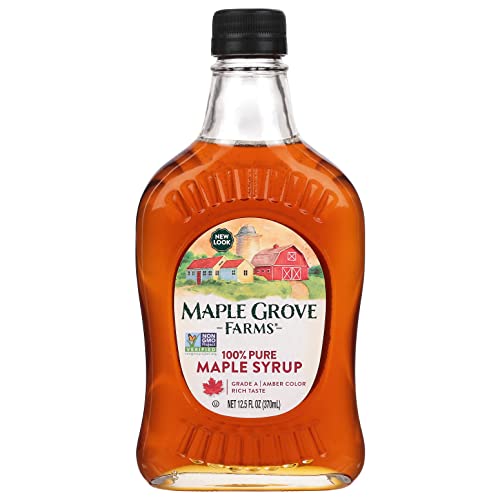
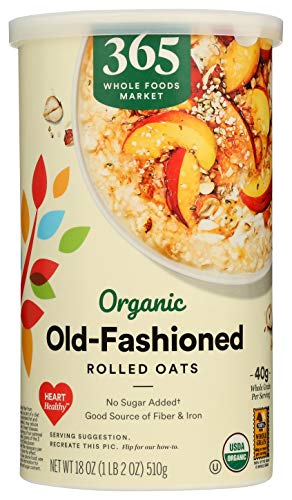

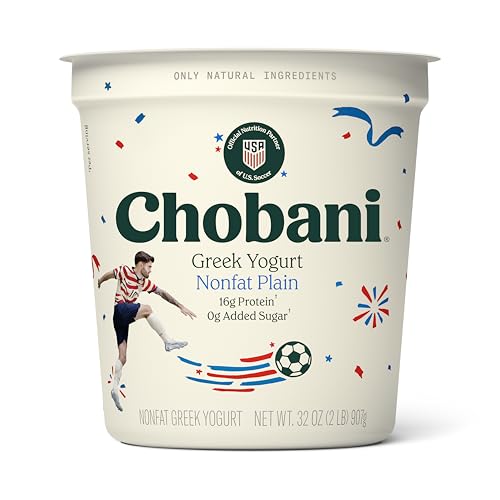
These are simple, everyday ingredients, but the way they are balanced is what makes the texture work.
Why Each Ingredient Matters in High Protein Waffles
Each ingredient in high protein waffles plays a specific role in creating a crisp exterior, soft interior, and balanced texture. Understanding how these components work together helps you get more consistent results every time.
Oats
Oats provide structure and body. Once blended, they act like oat flour and help the waffles hold their shape without becoming dense. Because oat-based batters tend to absorb moisture well, they also benefit from the right liquid balance. Quaker notes that oat flour often needs a little more liquid than standard flour-based recipes, which helps explain why batter consistency matters so much here.
If the oats are not blended finely enough, the batter may feel slightly coarse and the waffles can lose that smooth, tender interior.
Protein powder
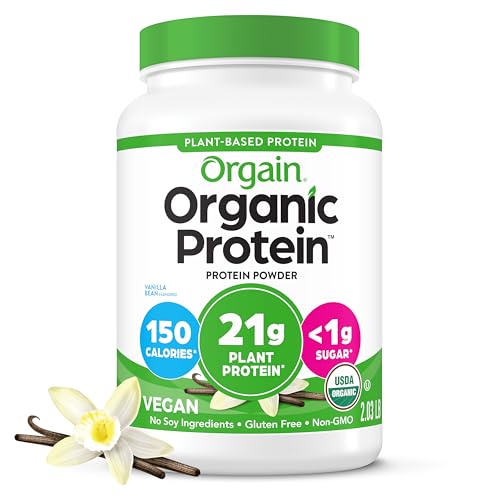
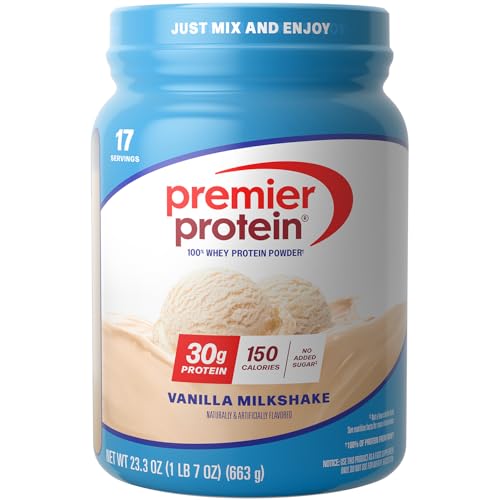
Different protein powders absorb liquid differently. Whey protein creates softer waffles, while plant-based protein tends to produce a thicker batter and slightly firmer texture. Adjusting milk slightly can help balance this.
If the batter feels thicker than expected, it is often the protein powder absorbing more liquid than usual.
If too much protein powder is used without adjusting the liquid, the waffles can turn out dense and slightly dry. Even a small imbalance here can noticeably affect the final texture.
Greek yogurt
Greek yogurt adds moisture, tenderness, and richness. It helps soften the effect of protein powder and keeps the interior soft.
It also helps balance the dryness that protein powder can sometimes create.
Eggs
Eggs provide structure and stability while helping bind the batter together. They also contribute to a light, tender interior.
Milk
Milk adjusts batter consistency and supports hydration. It helps the batter stay fluid enough to spread slightly in the waffle iron.
Butter or oil
Fat is essential for waffles. It helps create a crisp exterior and prevents sticking while adding flavor.
Too little fat can result in waffles that look pale and feel soft rather than lightly crisp on the outside.
Baking powder
Baking powder creates lift, helping the waffles stay light instead of dense.
Small baking insight: In waffle batter, fat and moisture balance matter more than in pancakes. Too little fat reduces crisping, while too little moisture leads to a dry interior.
In recipes like this, small adjustments in liquid or fat often make a bigger difference than changing the main ingredients.
Equipment You’ll Need
- blender or food processor
- measuring cups and spoons
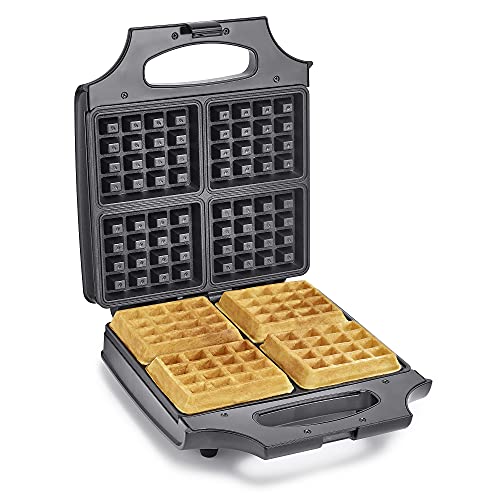
- waffle iron
- spatula
A good waffle iron makes a noticeable difference, helping the waffles cook evenly and develop a crisp exterior.

How to Make High Protein Waffles
1. Blend the dry ingredients
Add the rolled oats, protein powder, baking powder, cinnamon, and salt to a blender. Blend until the oats are finely ground and the mixture looks even and flour-like.
2. Add the wet ingredients
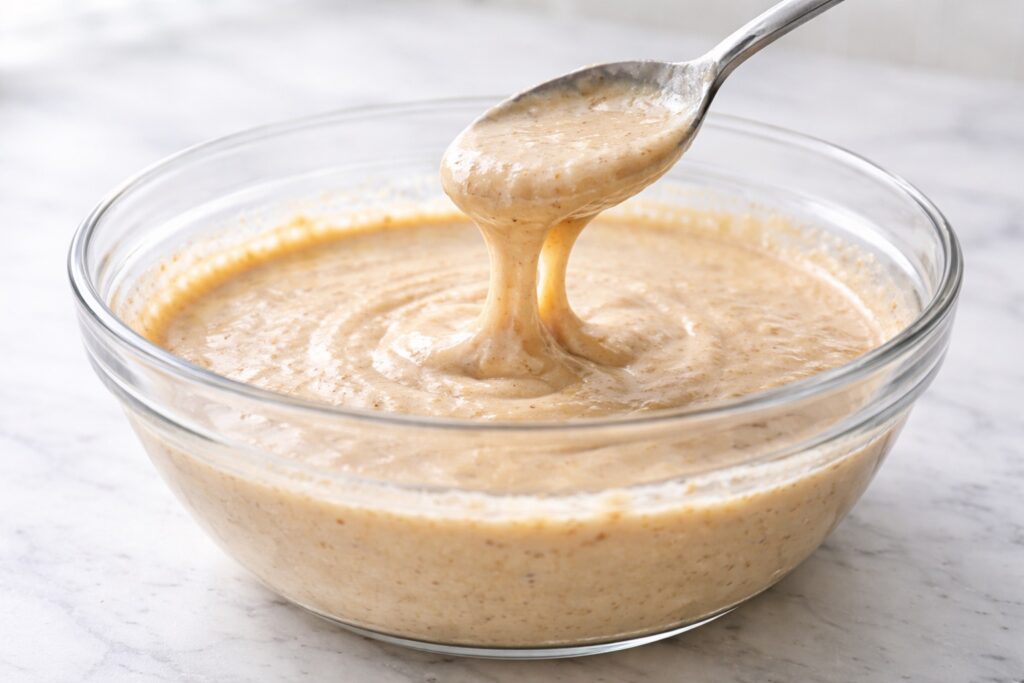
Add the eggs, Greek yogurt, milk, maple syrup, vanilla extract, and melted butter or oil. Blend until smooth and creamy, with no visible oat pieces and a slightly thick, pourable texture.
Visual cue: The batter should look thick and pourable, with a smooth, creamy texture and no visible oat pieces.
3. Let the batter rest
Let the batter sit for 3–5 minutes. This allows the oats and protein powder to absorb moisture, creating a slightly thicker, more stable batter. You may notice the batter thickening slightly, which is normal and helps improve the final texture.
Small insight: If the batter thickens too much after resting, add a small splash of milk to loosen it.
4. Preheat the waffle iron
Heat the waffle iron fully and lightly grease it. A properly heated iron is essential for creating crisp edges and even browning.
5. Cook the waffles
Pour the batter into the waffle iron and spread it slightly if needed so it cooks evenly. Close the lid and cook until golden and lightly crisp, without opening the waffle iron too early.
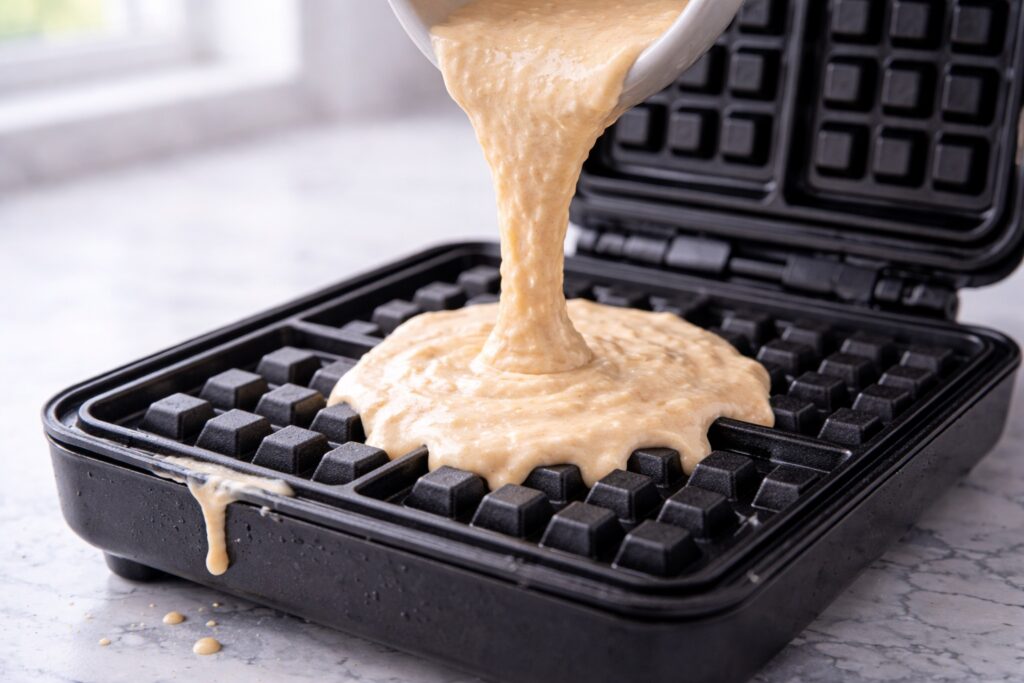
Visual cues: Steam will reduce significantly, and the waffles should release easily when ready.
Baking tip: Avoid opening the waffle iron too early, as this can break the structure and prevent proper crisping.
At this stage, the waffles should release easily and feel lightly firm on the outside while staying soft inside.
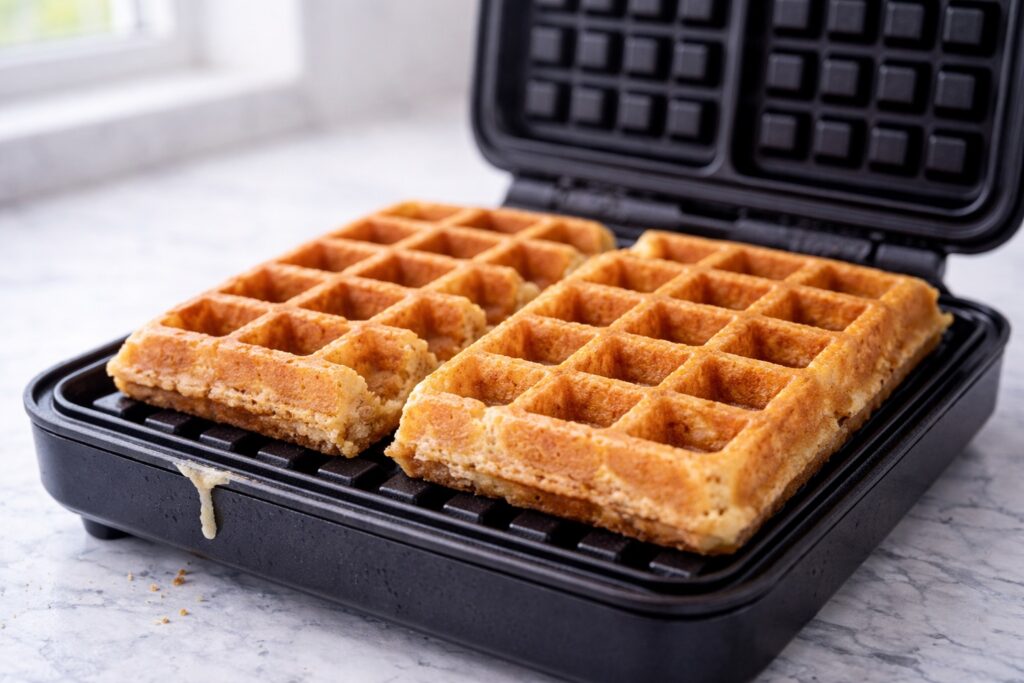
6. Serve warm
Serve immediately while the waffles are still crisp on the outside and soft inside, when the texture contrast is at its best.
Small observation: The first waffle is often slightly softer. Once the waffle iron stabilizes, the next batches become more evenly golden and crisp. After one or two waffles, you can usually tell whether the batter and heat are working exactly the way they should.
Once you get familiar with how the batter looks and how the waffles release from the iron, the process becomes very consistent and easy to repeat.
Waffle Batter vs Pancake Batter
| Feature | Waffle Batter | Pancake Batter |
|---|---|---|
| Consistency | Thicker | More fluid |
| Cooking method | Waffle iron (both sides) | Pan (one side at a time) |
| Texture | Crispy outside | Soft throughout |
| Fat content | Slightly higher | Lower |
Waffle Texture Comparison
| Type | Texture | Best Use |
|---|---|---|
| Protein waffles | Crispy outside, soft inside | Meal prep, structured breakfasts |
| Classic waffles | Light, airy, crisp edges | Traditional breakfast |
| Protein pancakes | Soft and fluffy throughout | Quick stovetop breakfast |
Small insight: Waffles naturally create more structure than pancakes because of the dual-sided heat, which is why they hold toppings better.
How to Tell When Waffles Are Done
- Steam slows down significantly and becomes barely visible
- Edges look golden and crisp
- Waffle releases easily
- Surface looks fully set
This is one of the most reliable waffle cues: once steam slows down and the iron opens more easily, the structure is usually set and the exterior has had enough time to crisp. King Arthur Baking explains how waffles cook and release in a waffle iron, which aligns closely with these visual doneness signs.
In most cases, reduced steam and easy release are more reliable indicators than exact cooking time.
Waffle Doneness Guide
| Signal | What It Means |
|---|---|
| Steam slows down | The interior has mostly finished cooking |
| Golden color | Exterior has crisped properly |
| Easy release | Structure has set |
| Firm edges | Waffles are ready to remove |
Waffle Batter & Texture Behavior Guide
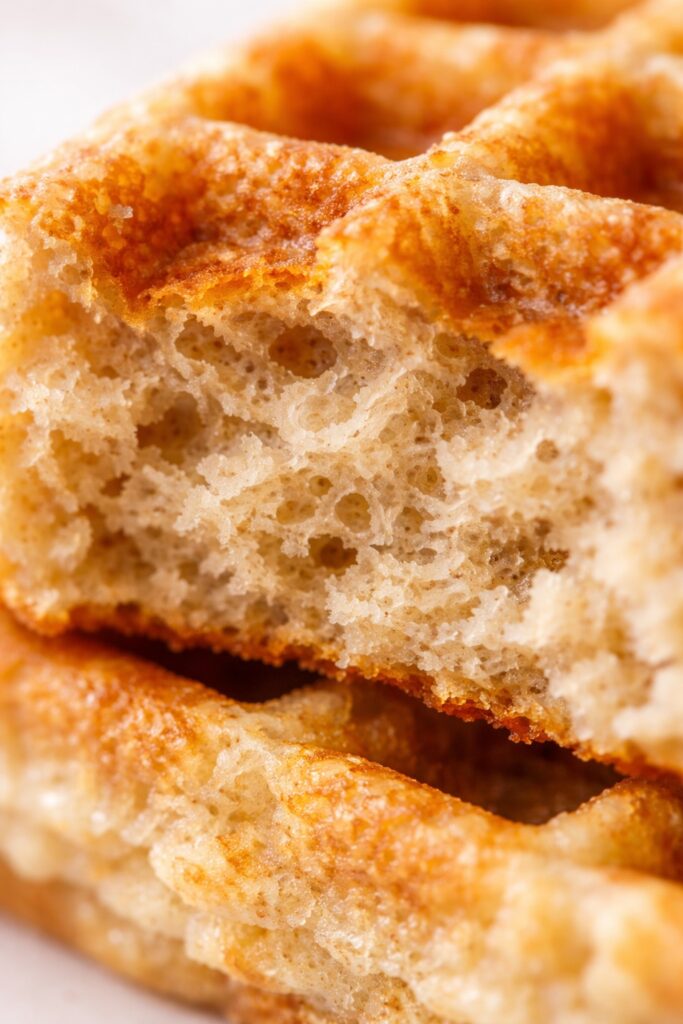
| Stage | What You Should See | What It Means |
|---|---|---|
| Batter consistency | Thick but pourable, smooth, slightly creamy with no visible oat pieces | Proper hydration, enough moisture to stay soft inside while holding structure |
| After resting | Slightly thicker, more stable batter that slowly settles when poured | Oats and protein powder have absorbed liquid, improving texture and structure |
| Early cooking | Steam actively releasing from the waffle iron | Moisture is turning into steam, helping create a soft interior |
| Mid cooking | Edges begin to set and lightly firm up, surface starts to look structured | Exterior is forming and beginning to crisp |
| Done waffles | Golden color, crisp edges, waffle releases easily from the iron | Structure is set and exterior has properly crisped |
| After resting | Edges become slightly more defined and lightly crisp | Residual steam escapes, improving final texture |
Small insight: If the batter feels too thick and heavy before cooking, the waffles can turn out dense. If it feels too thin, they may not develop that structured, crisp exterior. A thick, pourable consistency is the sweet spot.
Expert Tips for the Best High Protein Waffles
- Use medium heat for better control
High heat can brown the outside too quickly while leaving the inside slightly undercooked. Medium heat gives the waffles time to set properly while still developing a crisp exterior. - Let the batter rest before cooking
Resting for a few minutes allows the oats and protein powder to fully absorb moisture, resulting in a more stable batter and a softer interior. - Adjust the batter if needed
If the batter thickens too much after resting, add a small splash of milk. A batter that is too thick can lead to dense waffles instead of tender ones. - Do not open the waffle iron too early
Opening too soon can break the structure before it sets. Wait until steam reduces and the waffle releases easily. - Use enough fat for proper crisping
A small amount of butter or oil is essential for developing those golden, lightly crisp edges. Too little fat can result in pale, soft waffles. - Expect the first waffle to be slightly different
The waffle iron often needs one batch to fully stabilize in temperature. The first waffle may be softer, while the next ones cook more evenly. - Let waffles rest briefly before serving
Waffles continue to develop texture after cooking. Letting them sit for a minute allows excess steam to escape, making the exterior slightly more defined and crisp.
Some mornings the batter feels slightly thicker, other times a bit looser. That small variation is completely normal and usually comes down to how much the oats and protein powder absorb on that particular day.
Common Mistakes to Avoid
- Opening the waffle iron too early
- Using batter that is too dry
- Cooking on heat that is too high
- Skipping grease (can cause sticking)
Waffle Troubleshooting Guide
| Problem | Likely Cause | Fix |
|---|---|---|
| Waffles too soft | Not enough fat or undercooked | Cook longer and add a little more oil or butter |
| Waffles too dry | Too much protein powder | Reduce protein slightly and add more yogurt or milk |
| Waffles sticking | Waffle iron not greased | Lightly grease before each batch |
| Waffles pale | Low heat or not enough fat | Increase heat slightly and ensure enough fat |
| Waffles burning outside | Heat too high | Lower heat and cook longer |
| Waffles dense | Too little leavening or overmixing | Use fresh baking powder and mix gently |
Small insight: Waffles often feel slightly softer right out of the iron, but as they rest briefly, the exterior becomes more defined and lightly crisp.
How to Serve High Protein Waffles
These high protein waffles are best served warm, when the edges are lightly crisp and the center stays soft and tender, creating that perfect contrast in every bite.
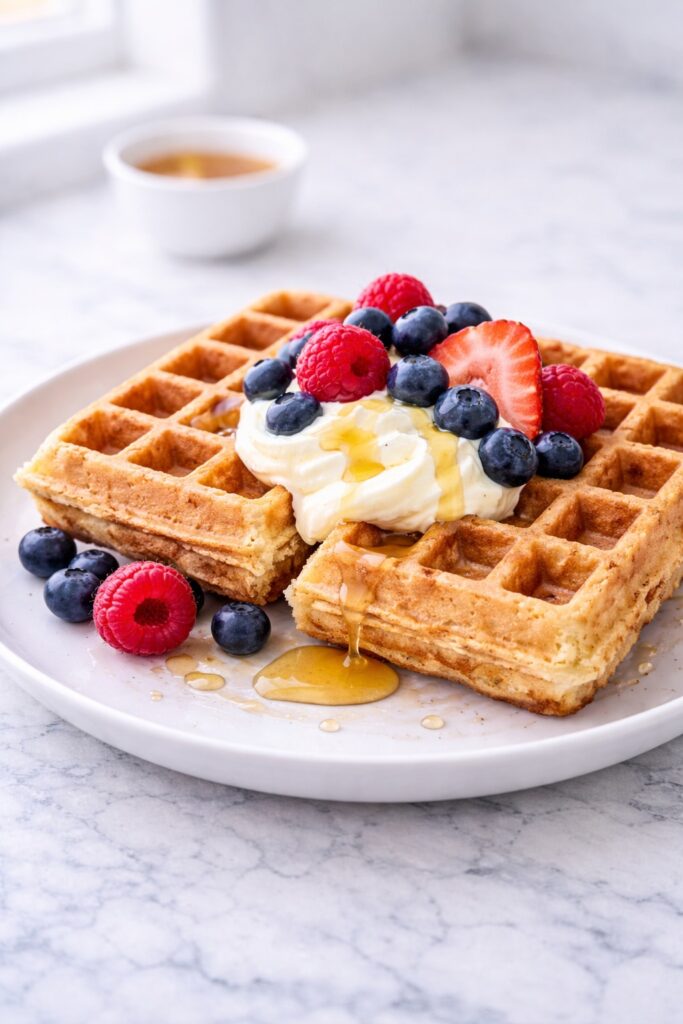
You can keep them simple or dress them up depending on the moment:
- Greek yogurt and fresh berries for a balanced, refreshing breakfast
- Banana and peanut butter for a richer, more filling option
- Maple syrup and toasted nuts for a classic waffle experience
- Warm fruit compote for a softer, comforting finish
- Honey and seeds for a lighter, everyday version
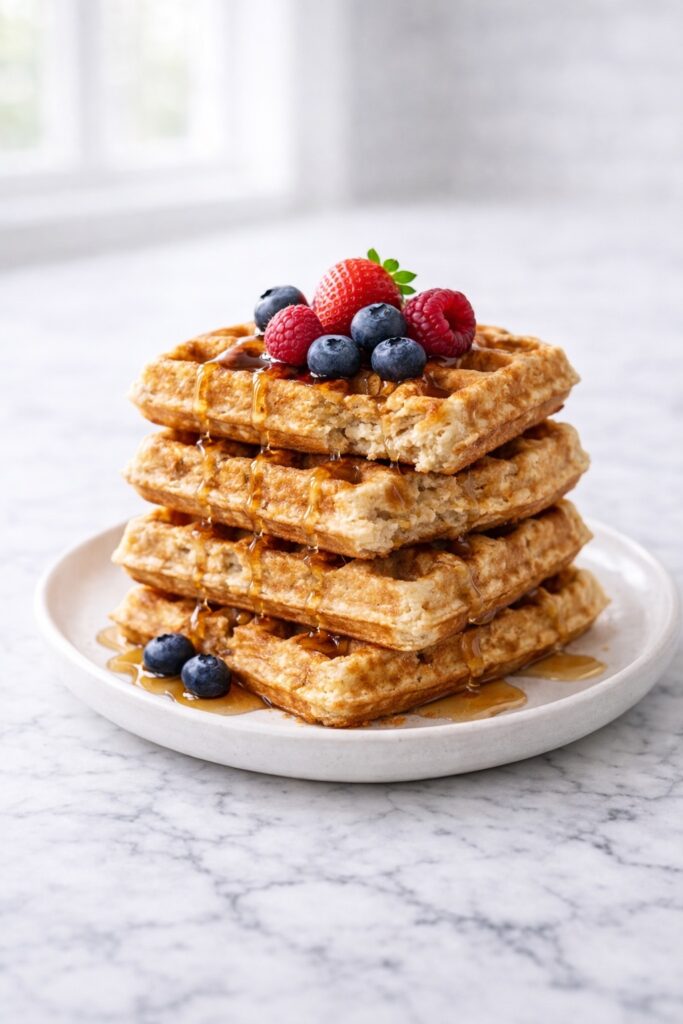
Because the waffles hold their shape well, they are especially easy to stack and customize, making them a great option for both simple breakfasts and more styled, shareable plates.
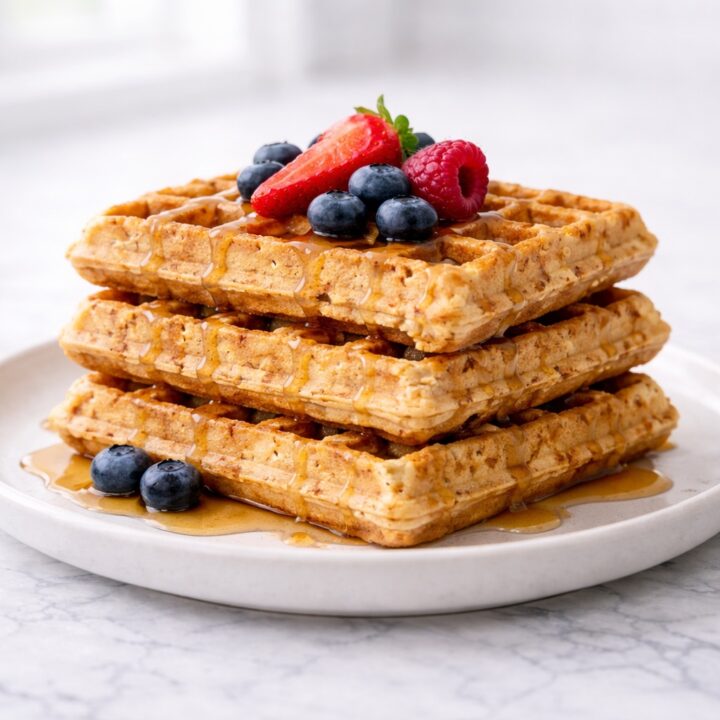
When stacked and topped, the waffle grid holds everything beautifully, creating that layered texture in every bite: crisp, soft, creamy, and slightly sweet all at once.
For another protein-rich breakfast idea with a softer, more tender texture, these cottage cheese pancakes are another easy option to keep in rotation.
These high protein waffles are easy to come back to, especially on mornings when you want something warm, balanced, and quick to make.
It is the kind of breakfast that feels comforting in the moment, but balanced enough to keep you going through the rest of the morning.
Because they are easy to customize and reheat well, these waffles naturally fit into both everyday breakfasts and simple meal prep routines.
Storage and Make-Ahead
- Refrigerator: Store for up to 4 days.
- Freezer: Freeze up to 2 months.
- Reheat: Toast for best crisp texture.
Waffles reheat especially well in a toaster, which helps bring back their crisp exterior.
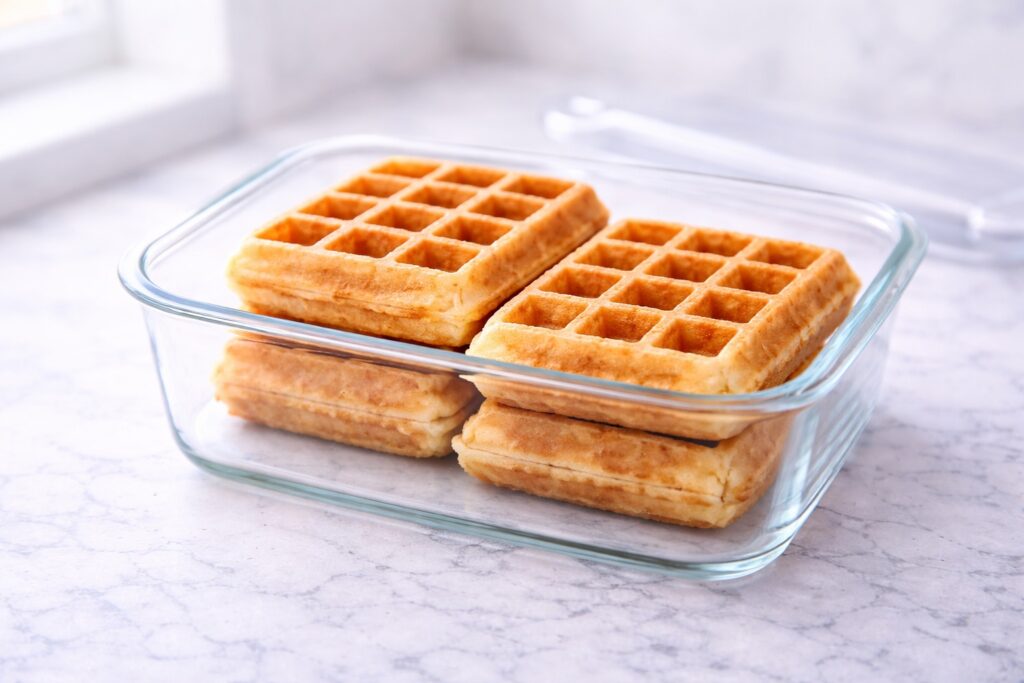
For meal prep, you can make a full batch ahead of time and store the waffles in the freezer. Reheating them in a toaster brings back their crisp edges surprisingly well, making them feel freshly made even on busy mornings.
This makes them especially practical for meal prep, since they reheat well and keep their texture even after freezing.
Variations You Can Try
One of the best things about these high protein waffles is how easy they are to adapt. Once you understand the base batter, you can adjust flavors and textures depending on what you’re in the mood for. If you enjoy flexible breakfast batters like this one, these sourdough discard pancakes are another great make-again option with their own soft, tender texture.
- Banana Protein Waffles
Add 1 mashed ripe banana to the batter for natural sweetness and a softer, more moist texture. You may need slightly less milk. - Chocolate Protein Waffles
Add 1 tablespoon cocoa powder and a few chocolate chips for a richer, dessert-style version that still feels balanced. - Blueberry Protein Waffles
Fold in fresh or frozen blueberries after blending. This creates small bursts of fruit throughout the waffles while keeping the structure intact. - Peanut Butter Protein Waffles
Add 1–2 tablespoons peanut butter to the batter for a deeper flavor and slightly richer texture. - Dairy-Free Version
Use plant-based yogurt and milk. Keep in mind that plant-based protein powders may require slightly more liquid for the same consistency.
Small insight: When adding mix-ins like fruit or chocolate chips, fold them in after blending rather than mixing them directly in the blender. This helps maintain a more even batter texture and prevents over-thickening.
Frequently Asked Questions
Can I make high protein waffles without protein powder?
Yes, you can. You can replace the protein powder with additional oats or a small amount of flour, but the texture will be slightly softer and less structured. Protein powder helps give these waffles more body and a firmer bite.
Why are my protein waffles dry?
This usually happens when there is too much protein powder or not enough liquid. Protein absorbs moisture quickly, so even a small imbalance can lead to a dry texture. Adding a bit more milk or yogurt can help fix this.
Can I use plant-based protein powder?
Yes, but you may need to adjust the liquid. Plant-based protein powders tend to absorb more moisture, which can make the batter thicker. Adding a splash of milk helps keep the waffles soft inside.
Can I make the batter ahead of time?
It is best to cook the waffles fresh. The batter thickens as it sits because the oats and protein powder continue to absorb liquid. If you prepare it ahead, you will likely need to add more milk before cooking.
How do I keep waffles crispy after cooking?
Place the cooked waffles on a wire rack instead of stacking them. This allows steam to escape and helps maintain their crisp exterior. You can also keep them warm in the oven at a low temperature.
Can I freeze high protein waffles?
Yes, these waffles freeze very well. Let them cool completely, then store them in a freezer-safe container. Reheat in a toaster to bring back their crisp edges.
Why don’t my waffles get crispy?
This is usually caused by low heat or not enough fat in the batter. Waffles need direct heat and a small amount of fat to develop that golden, crisp exterior. Increasing heat slightly and ensuring enough butter or oil can help.
Once you get used to recipes like this, it becomes easy to build a small rotation of balanced breakfasts you can come back to throughout the week.
You Might Also Love
If you enjoyed these high protein waffles, you might also like other easy, comforting breakfast recipes that fit just as naturally into everyday mornings.
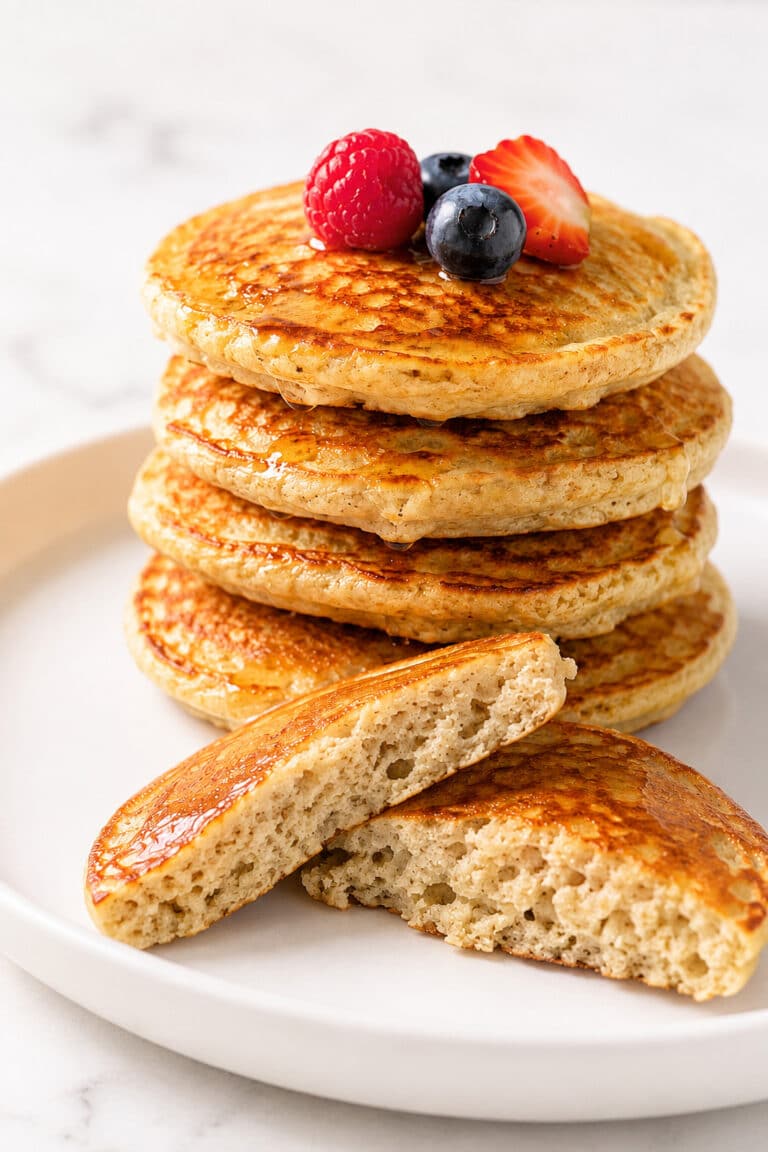
- Protein Pancakes – soft, fluffy, and perfect when you want a quick high protein breakfast on the stove
- Cottage Cheese Pancakes – tender, satisfying, and another balanced breakfast option
- Sourdough Discard Pancakes – lightly tangy and great for slow breakfast mornings
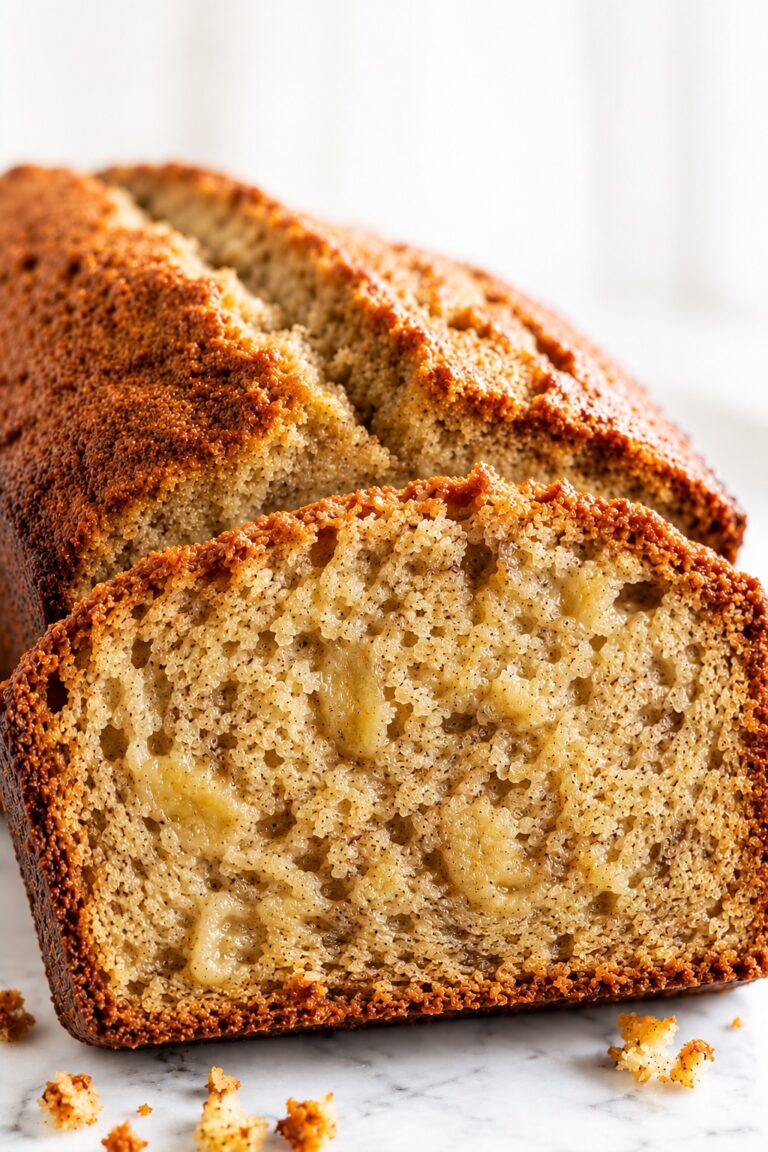
- Banana Bread Recipe – warm, comforting, and perfect for make-ahead breakfasts
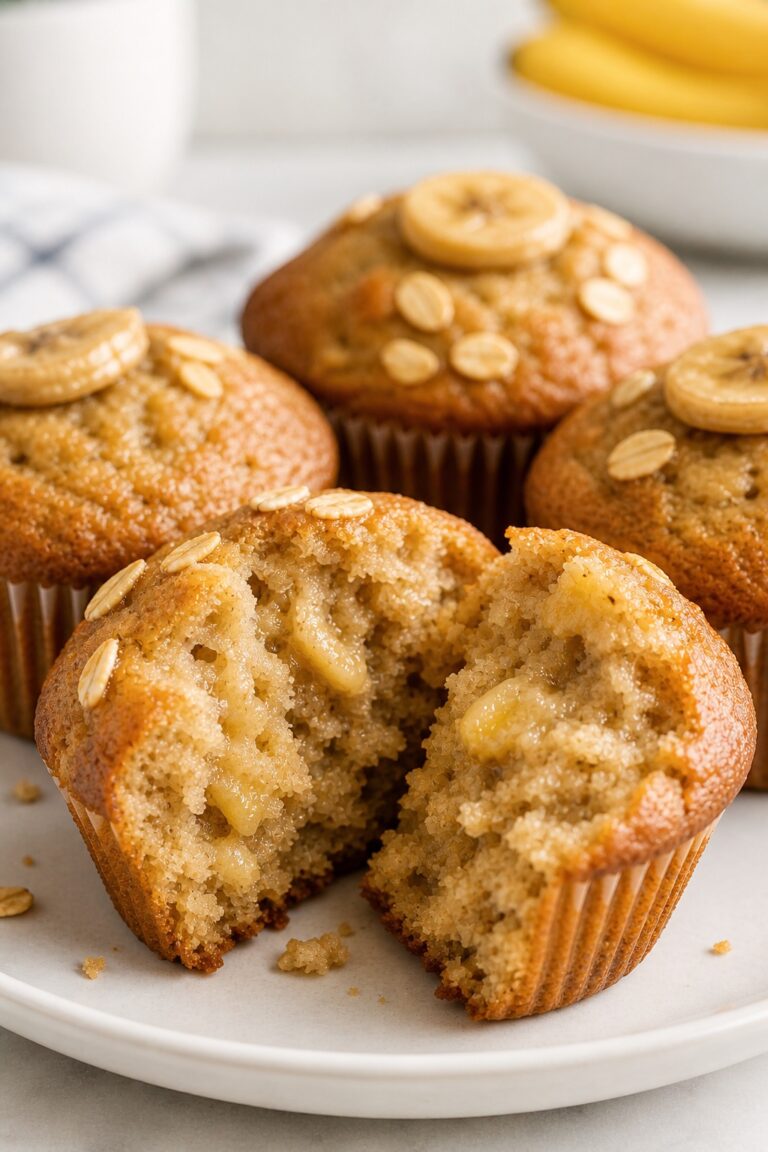
- Blueberry Muffin Recipe – soft, moist, and easy to grab on busy mornings
Recipe Summary
These high protein waffles are a simple, balanced breakfast made with oats, protein powder, eggs, and yogurt. They cook up with crisp, golden edges and a soft, tender interior, creating a texture that feels both comforting and satisfying.
With the right balance of moisture, structure, and fat, these waffles avoid the dryness often associated with high protein recipes while still delivering a more filling, steady breakfast option.
Whether you’re making them fresh in the morning or preparing a batch ahead for the week, they are easy to adapt, reliable to cook, and naturally fit into everyday routines.
Final Thoughts
Some mornings call for something quick, while others call for something a little more comforting. These high protein waffles sit perfectly in between, simple enough to make often, but satisfying enough to feel like a real breakfast.
What makes them especially reliable is how consistent they become once you understand the batter and the rhythm of the waffle iron. They cook up golden, lightly crisp, and tender in a way that feels both balanced and genuinely enjoyable.
Whether you keep them simple or top them with fruit, yogurt, or maple syrup, they fit easily into everyday routines while still feeling just a little more special.
Once you get used to the batter and timing, this becomes one of those recipes you can make without thinking, and it simply works every time.
Love this? There are twenty more like it.
128 pages, five chapters, 15 kitchen guides and 16 printable planning pages — in US Letter and A4.
High Protein Waffles
These high protein waffles are crisp on the outside and soft inside, made with oats, protein powder, eggs, and yogurt for a balanced, satisfying breakfast.
Ingredients
- 1 cup rolled oats
- 1 scoop vanilla protein powder
- 1 teaspoon baking powder
- 1/2 teaspoon cinnamon
- pinch of salt
- 2 large eggs
- 1/2 cup Greek yogurt
- 1/2 cup milk
- 1 tablespoon maple syrup or honey
- 1 teaspoon vanilla extract
- 2 tablespoons melted butter or oil
Instructions
- Add the rolled oats, protein powder, baking powder, cinnamon, and salt to a blender. Blend until the mixture looks fine and even.
- Add the eggs, Greek yogurt, milk, maple syrup or honey, vanilla extract, and melted butter or oil. Blend until smooth and creamy, with no visible oat pieces.
- Let the batter rest for 3 to 5 minutes so the oats and protein powder can absorb moisture. If it thickens too much, add a small splash of milk.
- Preheat the waffle iron and lightly grease it. A fully heated waffle iron helps create crisp edges and even browning.
- Pour the batter into the waffle iron and spread it slightly if needed. Close the lid and cook until the waffles are golden and lightly crisp, and the steam has mostly reduced.
- Serve warm for the best texture, when the outside is lightly crisp and the inside stays soft and tender.
Notes
Different protein powders absorb liquid differently. If your batter feels thicker than expected, add a little more milk. Letting the batter rest before cooking helps improve structure, and reheating in a toaster brings back the crisp edges best.
Recommended Products
As an Amazon Associate and member of other affiliate programs, I earn from qualifying purchases.


Nutrition Information:
Yield: 4 waffles Serving Size: 1 waffleAmount Per Serving: Calories: 246Total Fat: 13gSaturated Fat: 5gCarbohydrates: 20gFiber: 2gSugar: 4gProtein: 13g
Nutrition information is estimated and may vary depending on the specific ingredients used, including protein powder type and portion size.
12 Sweet Favourites — Yours, Free 🍰
Tiramisù, no-bake cheesecake, the perfect chocolate chip cookie & 9 more reader-loved desserts — gathered into one beautiful free recipe book. From my kitchen to yours.
No spam, just sweet things. Unsubscribe anytime.