Carrot Cake Muffins with Pineapple (Moist, Spiced & Irresistible)
🎁 FREE E-BOOK: 12 Sweet Favorites — reader-loved desserts in one beautiful recipe book.
These carrot cake muffins have a soft, moist crumb, fine orange flecks and little pieces of pineapple tucked between the warm cinnamon and brown sugar flavors. Split one while it is still warm, and the tender inside is just as inviting as the gently rounded top.

Carrot cake is a familiar comfort, and a tray of muffins brings those flavors to a quieter occasion. A cup of tea in the afternoon or a breakfast plate needs only a small, warmly spiced bake to feel a little more generous.
Keep this recipe for the days when you want twelve muffins from one tray and clear guidance at every texture-changing point. The carrot and pineapple are measured after preparation, the batter is divided with the chosen additions in mind, and the doneness cues help separate moist fruit from uncooked batter. Walnuts and raisins remain optional, so you can keep the crumb softly fruit-speckled or add a little crunch and chew.
Carrot Cake Muffins at a Glance
These are standard, unfrosted carrot cake muffins with finely grated carrots, small pieces of pineapple and a cinnamon-led spice profile. They bake in one twelve-cavity metal pan and cool just long enough for the delicate warm crumb to become easier to handle.
| Detail | What to know |
|---|---|
| Recipe format | Unfrosted carrot-pineapple muffins, not frosted cupcakes |
| Yield | 12 standard muffins |
| Pan | Metal 12-cavity pan, approximately 120 ml brim capacity per cavity |
| Oven | 375°F (190°C), conventional, middle rack |
| Texture | Soft, moist crumb with fine carrot flecks and small pineapple pieces |
| Flavor | Cinnamon-led, with supporting nutmeg, ginger, brown sugar and vanilla |
| Preparation | 20 minutes |
| Baking | 20–24 minutes; begin checking at 18 minutes |
| Cooling | 5 minutes in the pan, then at least 10 minutes on a rack |
| Estimated total | 57 minutes, using a 22-minute bake |
| Optional additions | 28 g walnuts, 37 g raisins, either, both or neither |
| Allergens | Wheat, eggs and milk; walnuts if included |
The base batter divides to about 73 g per cavity before normal bowl loss. Walnuts or raisins increase that planning amount, so the most useful final check is the actual batter weight divided by twelve. Whatever additions you choose, keep visible headroom in every liner.
Why This Carrot Cake Muffin Recipe Works
The recipe controls the ingredients most likely to change a carrot muffin crumb: the size of the carrot, the free juice around the pineapple, the balance of fats, the leavener amounts and the portion placed in each cavity. Each choice has a visible consequence in the bowl or pan.
- Fine carrot shreds blend into the crumb. Small shreds spread through the batter instead of forming long strands or firm pockets. The muffins still show little orange flecks, but the carrot feels integrated into each bite.
- Drained pineapple adds fruit without a pool of canning juice. The 128 g amount is measured after draining, so the recipe counts damp fruit rather than an unpredictable mixture of fruit and free liquid. The pineapple stays moist and is never pressed dry.
- Butter and oil share the fat role. Melted butter brings a familiar rich flavor, while neutral oil keeps the texture from depending entirely on butter as the muffins cool. The butter is cooled until warm so it can join the eggs smoothly.
- Baking powder leads the rise. Double-acting baking powder provides the main lift, while the smaller soda amount is supplemental. Keeping both amounts exact protects the intended flavor, browning and moderate dome.
- Portioning follows the batter you actually made. Optional walnuts and raisins add mass. Dividing the finished batter by twelve keeps the tray more even and prevents one muffin from receiving most of the additions while another receives very little.
The intended result is a soft, fruit-speckled muffin with a moderate dome, not an oversized bakery crown or a frosted cupcake texture. Pan capacity, prepared fruit weights and gentle mixing all support that specific result.
Why You’ll Love These Carrot Cake Muffins
This is the kind of bake that feels generous without becoming a decorating project. One pan gives you twelve individual portions for breakfast, an afternoon plate or a small shared spread.
- One standard tray: The complete batch fits a familiar twelve-cavity pan, with no second baking round when the cavities match the stated capacity.
- No decorating stage: The cinnamon, brown sugar, carrot and pineapple give the muffins enough character to serve unfrosted after a short cooling rest.
- Additions stay optional: Use walnuts for crunch, raisins for chew, both for a fuller texture, or neither for a softer crumb throughout.
- Weights and visual cues work together: Prepared fruit weights keep the bowl consistent, while the batter, top and tester cues tell you what is happening as you mix and bake.
- The baked muffins can wait for later: Cool them completely, store a few for the next day or freeze part of the batch instead of trying to hold mixed batter overnight.
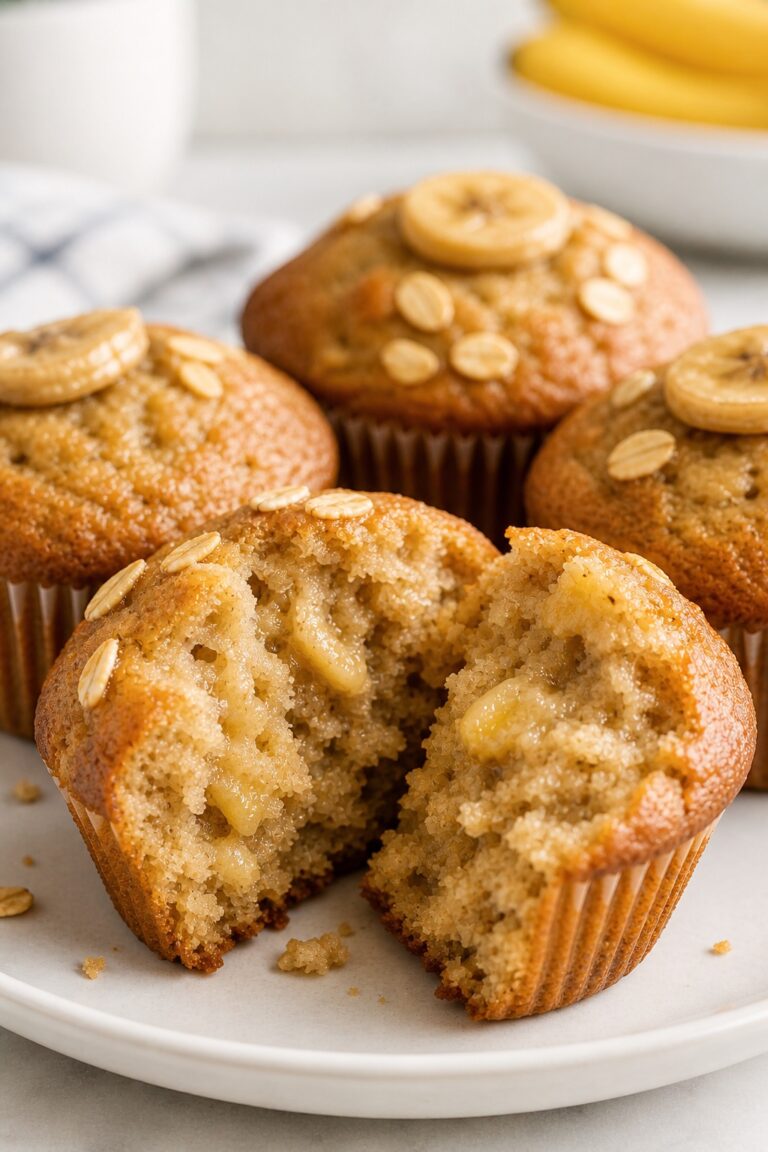
For another fruit-based bake to rotate through breakfast, these banana bread muffins bring a mellow banana flavor to the same convenient individual format.
The ingredient states are also easy to verify before you begin: fine carrot rather than coarse strands, damp pineapple without pooled juice, and butter that is warm rather than hot. Those simple checkpoints make the recipe easier to return to without relying on memory alone.
The Science Behind a Tender Carrot Muffin Crumb
A tender carrot muffin depends on more than simply adding moist ingredients. The fruit must enter the bowl in a controlled state, the fats must combine without unnecessary heat, the batter must stop moving at the right moment and the two leaveners must keep their separate roles.
Prepared fruit controls both distribution and free moisture. Finely grated carrot presents many small pieces that can spread through the batter, while coarse shreds remain more distinct. Pineapple creates a different issue because juice can cling around the crushed fruit. A five-minute gravity drain removes the visible excess without squeezing the fruit dry. Weighing 150 g carrot and 128 g drained pineapple makes those prepared states repeatable.
Butter and oil bring different practical qualities. Melted butter carries a familiar dairy flavor, and liquid oil remains fluid as the muffins cool. Using both gives the recipe a rounded fat profile without requiring a creaming step. The butter should feel warm rather than hot before it meets the eggs; this keeps the wet mixture comfortable to combine and avoids using heat as an unintended cooking step.
Dry flour disappearing is the mixing endpoint. Carrot and crushed pineapple keep this batter textured, so a perfectly smooth appearance would be misleading. Folding only until the last dry pockets disappear brings the flour into the wet ingredients without continuing to work the batter for cosmetic smoothness. Small fruit irregularities are expected and should remain.
Baking powder and baking soda are not spoon-for-spoon substitutes. Double-acting baking powder contains the components it needs to react during mixing and heating, so it carries the main leavening work here. The smaller baking soda amount behaves differently and can influence browning and flavor as well as lift. More soda is not a reliable route to a taller muffin, which is why both listed quantities should remain exact.
These mechanisms meet in the short interval between the final fold and the hot oven. Prepared fruit keeps excess free liquid out, the mixed fats stay evenly dispersed, restrained folding protects the intended texture and the measured leaveners begin lifting a batter of consistent depth. Changing several of those points at once makes the result harder to read.
Ingredients for Carrot Cake Muffins with Pineapple
Use fresh carrots grated finely and canned crushed pineapple packed in juice. The pineapple is weighed after draining, while the carrot is weighed after grating. Grams give the clearest control for flour, prepared fruit and optional additions.
Ingredient List
Measure the ingredients in this order so the list stays easy to check against the bowl. Spoon and level the flour when using cups, lightly pack the fine carrot shreds and keep the drained pineapple juice out of the batter.
- 1 3/4 cups (210 g) unbleached all-purpose flour, spooned and leveled
- 1 1/2 teaspoons (6 g) double-acting baking powder
- 1/4 teaspoon (1.5 g) baking soda
- 1/2 teaspoon (3 g) fine sea salt
- 1 1/2 teaspoons (about 4 g) ground cinnamon
- 1/4 teaspoon (about 0.5 g) ground nutmeg
- 1/4 teaspoon (about 0.5 g) ground ginger
- 1/2 cup (107 g) packed light brown sugar
- 1/4 cup (50 g) granulated sugar
- 1/4 cup (57 g) unsalted butter, melted and cooled until warm, not hot
- 1/4 cup (50 g) neutral vegetable oil
- 2 large eggs (about 100 g without shells), at room temperature
- 1 teaspoon (5 ml) pure vanilla extract
- 1 1/2 cups (150 g) finely grated carrots, lightly packed
- 1/2 cup (128 g) canned crushed pineapple in juice, measured after draining
- 1/4 cup (28 g) finely chopped walnuts, optional
- 1/4 cup (37 g) raisins, loosely measured, optional

Flour, Leaveners, and Salt
All-purpose flour gives the muffins their basic structure. Weigh 210 g when possible; if you use cups, loosen the flour, spoon it into the cup and level the top instead of dipping and packing. Extra flour can make a fruit muffin feel dry or heavy even when the fruit amounts are correct.
Whisk the double-acting baking powder, baking soda and fine salt thoroughly into the flour. Their quantities are small compared with the flour, so a visible clump can create a bitter or uneven spot. This dry-bowl mixing step is about distribution, not aeration, and it should happen before any wet ingredient reaches the bowl.
Sugars, Butter, Oil, and Eggs
Packed light brown sugar brings a deeper sweetness, while granulated sugar keeps the sweetening blend from relying on brown sugar alone. Press the brown sugar into the cup if you are not weighing it, then break up firm lumps as you whisk the wet mixture.
Melt the unsalted butter and let it cool until warm, not hot. Use a neutral oil without a strong olive or seed flavor, and bring the eggs to room temperature before mixing. These states help the wet ingredients combine evenly without a separate oil layer or bits of fat setting against cold eggs.
Finely Grated Carrots
Choose firm fresh carrots and use the small shredding holes on a box grater. You want fine, soft shreds rather than a puree, with enough visible texture to leave little orange flecks in the crumb. Weigh 150 g after peeling and grating, and do not squeeze out their juice.
I used to reach for the large holes on my grater whenever I baked with carrots. The muffins tasted good, but the carrot pieces were more noticeable than I wanted. I learned to use a finer grate for the softer texture I wanted, while keeping those little orange flecks.
Bagged pre-shredded carrots are usually thicker and drier than freshly grated carrots. They will not match the prepared state described here as closely, and their firmer pieces can remain more obvious after baking.

Drained Crushed Pineapple
Use canned crushed pineapple packed in juice so the pieces are already small enough to distribute through the batter. Tip it into a fine-mesh sieve, let it drain for about 5 minutes and turn it once with a spoon. Do not press or wring it dry.
Measure or weigh 128 g of the damp fruit after draining. The surface should look moist, but there should not be a pool of juice under the measured pineapple. Fresh pineapple and pineapple measured with its canning juice would bring different piece sizes and liquid amounts, so they are outside this recipe.

Cinnamon, Nutmeg, Ginger, and Vanilla
Cinnamon leads the flavor at 1 1/2 teaspoons. Nutmeg and ginger sit behind it in smaller amounts, adding warmth without turning the muffins sharply spicy. Vanilla rounds the brown sugar and butter notes in the wet mixture.
Measure the nutmeg and ginger carefully because each is only 1/4 teaspoon. A heaped spoon changes the balance quickly. No extra spice is needed to make the muffins recognizable as carrot cake; the cinnamon-led blend is meant to leave room for the carrot and pineapple.
Optional Walnuts and Raisins
Finely chopped walnuts add small pockets of crunch, while raisins add a chewy sweetness. Either can be omitted without replacement. Keep the pieces modest in size so they move through the scoop and do not collect in only a few cavities.
Use 28 g walnuts, 37 g raisins or both amounts together. Do not add milk or pineapple juice when leaving an addition out. The all-purpose flour, eggs and prepared fruit still remain as listed because the optional additions change texture and mass, not the basic structure.

Kitchen Tools for a Twelve-Muffin Batch
A standard metal twelve-cavity muffin pan and simple hand tools are enough for this batch. Capacity matters more than a pan’s label, since pans sold as standard can still have visibly different cavities.
- Pan and oven: Use a conventional oven with a middle rack and a metal 12-cavity pan holding approximately 120 ml to the brim in each cavity. Paper liners make the fruit-rich muffins easier to lift after their five-minute pan rest.
- Measuring and portioning: A kitchen scale controls flour, prepared fruit and final batter division. Dry cups and measuring spoons support the volume measures, while a portion scoop or two spoons moves the thick batter cleanly.
- Mixing: Two bowls keep the dry and wet mixtures separate until the final fold. A whisk distributes the fine dry ingredients and combines the wet ingredients; a flexible spatula reaches the bottom and sides without requiring an electric mixer.
- Fruit preparation: A peeler and small-hole grater prepare the carrot. A fine-mesh sieve over a bowl lets pineapple juice fall away while the crushed fruit remains damp and easy to weigh.
- Cooling and testing: A wire rack releases heat from beneath the liners. A slim skewer or cake tester can enter the crumb between fruit pieces more accurately than a very wide utensil.
The portion guidance suits cavities holding about 1/2 US cup or 120 ml to the brim. Mini, jumbo and unusually shallow pans change the relationship between batter depth and baking time. If twelve equal portions would rise above three-quarters of the cavity height before baking, use a pan with the intended capacity rather than forcing the batter into smaller cups.
Before You Mix the Carrot Cake Muffin Batter
Once the wet and dry bowls are combined, the batter should be portioned and baked without an overnight rest. Set up these five details first so the final fold can stay brief and the tray can move into a fully heated oven.
- Heat the oven and set the rack. Use 375°F (190°C) in a conventional oven with the rack in the middle. Give the oven time to reach temperature before the batter is finished.
- Line the correct pan. Place twelve paper liners into a metal pan with approximately 120 ml cavities. Press each liner fully into its cavity so a folded edge does not distort the portion.
- Finish both fruit preparations. Have 150 g finely grated carrot and 128 g drained pineapple ready in their final states. The pineapple’s five-minute drain belongs before mixing, not while a combined batter waits.
- Check the butter and eggs. The melted butter should feel warm rather than hot, and the eggs should be at room temperature. Do not rush hot butter straight from the pan into cool eggs.
- Choose additions and a portion target. Decide on walnuts, raisins, both or neither before folding. The approximate per-cavity target ranges from 73 g for the base batter to 78 g with both additions, followed by an actual mass-divided-by-twelve check.
There is no planned batter-resting step. The leaveners begin working in a moist batter, and the fruit continues to share moisture with the flour. Prepare the pan, fruit and tools first, then mix, portion and bake in one continuous sequence.
What to Expect from These Carrot Cake Muffins
This batter and crumb are visibly textured. Knowing the normal stages makes it easier to stop mixing at the right point and to avoid treating every moist fruit mark as a baking problem.
- Before folding: The wet bowl looks cohesive but textured, with fine carrot shreds and small pineapple pieces throughout. A separate layer of oil is not expected.
- After folding: The batter is thick and scoopable rather than pourable. Small fruit irregularities remain, but dry flour pockets should not.
- In the liners: The portions hold their shape softly and leave visible headroom. Walnuts or raisins may make the surface look more uneven without changing the basic batter consistency.
- After baking: The tops have a moderate dome and a softly textured surface. They should look set rather than wet or glossy at the center.
- While cooling: The warm crumb is delicate. After five minutes in the pan and at least ten on the rack, it holds together more cleanly while remaining soft.
Fine orange flecks and small pineapple pieces are part of the intended crumb. A gummy streak of liquid batter is different: it looks glossy, smears the tester and needs more oven time.
How to Make Carrot Cake Muffins
Prepare the fruit first, combine the wet and dry ingredients separately, then fold them together gently. The batter goes straight into the lined pan for baking, followed by a short cooling rest.
1. Prepare the Pan and Fruit
Prepare the fruit while the oven heats so the batter can be mixed and baked without an extra rest.
Heat a conventional oven to 375°F (190°C) with a rack in the middle. Line a standard metal twelve-cavity muffin pan with paper liners. Drain the crushed pineapple in a fine-mesh sieve for about 5 minutes, turning it once with a spoon without pressing it dry, then weigh 128 g. Peel, finely grate and weigh 150 g carrots without squeezing them. Melt the butter and let it cool until warm, not hot, before combining it with the eggs.
Keep the drained pineapple and grated carrot separate until the wet mixture is ready. If juice gathers beneath the pineapple after weighing, let that free liquid fall away rather than pouring it into the bowl.
What You Should See: Fine carrot shreds and damp pineapple pulp without a pool of juice.

2. Whisk the Dry Ingredients
Distribute the spices and leaveners through the flour before adding moisture.
In a mixing bowl, whisk the flour, baking powder, baking soda, salt, cinnamon, nutmeg and ginger until evenly combined. Break up any leavener clumps.
Sweep the whisk across the bottom and around the edges, where salt or soda can hide. Stop once the color looks even and no compact white clump remains; prolonged whisking is unnecessary.
What You Should See: An evenly speckled flour mixture without visible leavener clumps.

3. Combine the Wet Ingredients
Bring the eggs, fats and sugars together before stirring in the prepared fruit.
In a second bowl, whisk the brown sugar, granulated sugar, eggs, oil, melted butter and vanilla until evenly combined, breaking up brown-sugar lumps. Stir in the grated carrots and drained pineapple.
Scrape through the bottom of the bowl once more after adding the fruit. Brown-sugar lumps should be pressed out, but the visible carrot and pineapple pieces should remain rather than being worked toward smoothness.
What You Should See: An evenly mixed, textured wet mixture with no separate layer of oil.

4. Fold the Batter Gently
Fold just enough to bring the two mixtures together and distribute the fruit.
Add the wet mixture to the dry ingredients. Fold with a flexible spatula, scraping the bottom and sides. If using walnuts or raisins, add them while a few flour streaks remain. Stop when no dry flour pockets remain. Do not beat with an electric mixer or rest the batter overnight.
Use broad folds that lift batter from the bottom over the top. When the last dry streak disappears, make one final sweep around the bowl and stop. Extra strokes used only to smooth the surface work against the tender texture you want.
What You Should See: A scoopable batter with fruit flecks and no pockets of dry flour.

5. Portion and Bake
Even portions help the muffins bake at a similar pace, but the center cues determine when they are ready.
Divide the actual batter evenly among twelve liners, approximately 73 g each without additions or 78 g with both walnuts and raisins. Leave headroom and do not fill above three-quarters of the cavity height. Bake at 375°F (190°C), beginning to check at 18 minutes; expect about 20–24 minutes. The tops should be set and spring back gently, and a tester placed in crumb rather than a pineapple piece should come out clean or with a few moist crumbs, without liquid batter. If needed, bake in further 2-minute increments and check again.

Avoid opening the oven early just to rotate the tray. If a tester hits a piece of pineapple, check another spot in the crumb or a second muffin before deciding whether more baking is needed.
Portion around the pan in two passes if that helps you keep the cups even: give every liner a first amount, then distribute what remains. Wipe batter from the pan’s flat surface before baking so stray drips do not burn.

What You Should See: Set tops and a crumb-focused tester without liquid batter.

6. Cool Before Serving
A short rest in the pan makes the muffins easier to lift out, and the rack lets the remaining heat escape.
Let the muffins stand in the pan for 5 minutes, then transfer them to a rack. Cool for at least another 10 minutes before serving warm. Allow them to cool completely before closing them in a storage container.
Lift the muffins to the rack after five minutes so steam does not stay trapped under the liners. Serve after the additional ten-minute rest for a warm muffin, or wait until completely cool before storage.
What You Should See: A warm crumb that separates more easily as the muffins cool.

How to Tell When Carrot Cake Muffins Are Done
Start checking at 18 minutes, but read the muffin rather than treating the clock as the final answer. Most batches fall between 20 and 24 minutes. A useful decision combines a set surface, gentle spring-back and a tester placed in crumb rather than directly through a pineapple piece.
Check one muffin near the center of the pan first because it gives a useful picture of the tray’s slower area. If the tester result is ambiguous, check a second muffin in a different cavity before extending the bake.
| Cue | What it means | What to do |
|---|---|---|
| 18-minute first check | The earliest planned observation point, not an automatic finish time | Look quickly at the center tops and close the oven if they are still wet |
| Top looks set and matte | The surface structure has formed | Add the touch and tester checks before removing the pan |
| Center springs back gently | The top recovers instead of holding a wet indentation | Use together with the tester result |
| Tester has a few moist crumbs | Compatible with a tender baked center when the top is set | Remove the pan if the other cues agree |
| Tester carries a visible pineapple piece | Fruit moisture may have marked the tester | Try another crumb area or a second muffin |
| Tester has glossy liquid batter | The center has not finished baking | Bake 2 minutes more, then check again |
| Warm crumb separates roughly | The muffin may simply be too hot and delicate | Complete the cooling rest before judging texture |
Do not wait for every crumb on the tester to become dry if the top is set and the tester shows only a few moist crumbs. At the other extreme, do not explain away glossy batter as pineapple. Liquid batter smears and lacks the small, recognizable fruit fibers of a pineapple piece.
When the surface, touch and tester cues agree, remove the pan instead of adding extra minutes for reassurance. The muffins continue settling during their five-minute pan rest, while unnecessary oven time can move a tender crumb toward dryness.

Expert Tips for Evenly Portioned Carrot Cake Muffins
Optional additions change the amount in the bowl, and fruit-rich batter does not always settle into a scoop in exactly the same way. Weighing the finished batter gives you a more useful target than assuming every scoop holds the same amount.
| Additions | Planned batter mass | Approximate amount per cavity |
|---|---|---|
| None | 872.5 g | 72.7 g |
| Walnuts only | 900.5 g | 75.0 g |
| Raisins only | 909.5 g | 75.8 g |
| Walnuts and raisins | 937.5 g | 78.1 g |
These figures come from the ingredient amounts before batter remains on the bowl, whisk or spatula. Weigh your actual mixed batter, divide that number by twelve and use the table as a planning reference rather than adding liquid to chase a theoretical total.
- Weigh fruit in its final state. Carrot is weighed after fine grating, and pineapple is weighed after draining. Those two details prevent preparation waste or juice from quietly changing the portions.
- Distribute the dry ingredients before folding. Whisk until the spice color is even and no leavener clump remains, since later folding should stay brief.
- Add walnuts or raisins while faint flour streaks remain. The last folds can finish the flour and spread the additions at the same time, avoiding a second round of stirring.
- Portion by actual mass. Set the lined pan on the scale or weigh the batter in its bowl, then work toward twelve equal shares. Accept normal bowl loss instead of scraping dry residue into one final cup.
- Check beyond one muffin when uncertain. Start with a central muffin, then test another cavity if fruit marks the skewer or the tray looks uneven. Two readings are more useful than overbaking the whole tray because of one pineapple piece.
Keep every liner at or below about three-quarters of the cavity height. Equal grams do not solve a pan-capacity mismatch, so visible headroom remains the final limit.
After the first portioning pass, look across the tray from the side rather than only from above. Similar batter heights are easier to compare that way. Move a small spoonful from a noticeably high cup to a low one before the pan enters the oven, then leave the surfaces naturally textured.
Carrot Cake Muffin Mistakes to Avoid
A heavy, wet or uneven muffin can begin with fruit preparation, temperature, mixing, portioning or cooling. Match the visible result to the most plausible stage instead of changing several ingredients at once.
| Mistake | What happens | Why it happens | How to prevent or fix it |
|---|---|---|---|
| Adding pineapple with free juice | The batter may look looser and the center may stay wetter than intended | Unmeasured canning juice adds liquid beyond the 128 g drained fruit | Gravity-drain for about 5 minutes, turn once, do not press, then weigh the damp fruit |
| Using coarse or oversized carrot pieces | Long strands remain noticeable and some bites feel firmer | Large shreds distribute less evenly through a standard muffin | Use the small grater holes and weigh 150 g after grating; do not puree or squeeze |
| Combining hot butter with cool eggs | The wet mixture can look uneven or show small cooked-looking bits | A large temperature contrast makes the ingredients harder to combine smoothly | Cool melted butter until warm and bring eggs to room temperature before mixing |
| Leaving leavener clumps in the flour | One area may taste bitter, salty or rise differently | Small concentrated ingredients were not spread through the dry bowl | Whisk across the bottom and edges until no compact clump remains |
| Mixing until the fruit batter looks perfectly smooth | The crumb can become firmer or tougher | Smoothness requires extra stirring even though fruit naturally keeps the batter textured | Fold only until dry flour pockets disappear, then stop |
| Filling cups unevenly or too high | Some muffins finish early while others stay wet, or batter crowds the rims | Different batter depths need different baking times and small cavities lack headroom | Divide actual batter mass by twelve and keep each liner below about three-quarters of the cavity height |
| Testing through fruit or removing the pan too early | A pineapple mark can look wet, while truly liquid batter remains underbaked | One tester path does not always represent the surrounding crumb | Combine set top, gentle spring-back and a crumb-focused tester; check a second muffin and use 2-minute increments |
| Sealing muffins while warm | Condensation dampens the tops and liners | Escaping steam collects inside the closed container | Cool completely on a rack before storing; a damp stored top cannot be made crisp by simply leaving the lid closed |
Do not taste the raw batter. Flour is a raw ingredient, and the FDA guidance on raw flour explains why uncooked dough and batter should not be eaten.
If the baked center still shows liquid batter, return the muffins to the oven promptly and recheck after 2 minutes. Adding flour to an already mixed batter, holding an underbaked muffin in storage or guessing from color alone does not address the same problem safely or predictably.
When diagnosing a disappointing batch, change the preparation point that matches the symptom first. Keeping the remaining quantities and oven setting stable gives you a clearer next comparison than changing fruit, flour and baking time together.
Beautiful Ways to Serve Carrot Cake Muffins
These muffins are designed to be served unfrosted, so presentation can focus on the rounded tops, paper liners and fine orange flecks inside. Let the muffins finish their rack rest before splitting one for the cleanest warm crumb.
- Warm and split: Place one muffin on a small white plate and pull it open gently so the carrot-flecked crumb faces upward.
- Whole in their liners: Arrange the cooled muffins on a simple white platter, keeping the paper around each one for an easy breakfast or coffee table.
- Wrapped for sharing: Once completely cool, wrap individual muffins in plain parchment and fold the paper beneath them. This keeps the presentation neat without adding a topping.
- Two halves beside tea: Split a warm muffin and set the halves slightly apart so the crumb stays visible beside a cup of tea.
- In a breakfast basket: Line a shallow basket with a clean napkin and place the muffins in one layer so their tops are not crushed.
Serve the base muffins as they are rather than hiding the fruit-speckled crumb under frosting. If you are planning a different warm cinnamon-fruit treat for another day, these baked apples offer a softer, spoonable alternative.
For the clearest contrast between the softly rounded top and the moist inside, keep whole muffins and one freshly split muffin on the same platter. Split only what will be served immediately so the remaining portions stay protected by their intact tops and liners.

Storing, Freezing, and Rewarming Carrot Cake Muffins
Let the muffins cool completely before they enter a closed container. Even a slightly warm center continues releasing steam, and trapped condensation can make the tops and paper liners damp.
| Stage | Method | Quality guide |
|---|---|---|
| Cool before storing | Move from pan to rack after 5 minutes and leave uncovered until completely cool | No visible warmth or steam remains before sealing |
| Room temperature | Keep unfrosted muffins in an airtight container in a cool room | Best quality within 2 days |
| Freeze | Place completely cooled muffins in a freezer-safe airtight container or wrapping | Best quality within 2 weeks |
| Thaw | Keep covered while thawing at room temperature | The covering limits surface drying while the center returns to room temperature |
| Rewarm | Place thawed muffins in a 350°F (175°C) oven for 8–10 minutes | Warm through gently without rebaking until dry |
For make-ahead baking, finish the muffins, cool them and use the room-temperature or freezer route. Do not mix the batter the night before. This method moves directly from the final fold to portioning and baking while the oven is hot.
Store only the unfrosted muffins described here. A cream cheese frosting or another perishable topping would create different handling needs. Label frozen muffins with the date so the two-week quality target remains easy to follow.
Arrange stored muffins in a single layer when possible so the delicate tops are not pressed flat. If you must stack them, place parchment between the layers and use a container deep enough to avoid compression. For freezing, wrap individual muffins before placing them together so you can thaw only the number you need.
Rewarm only thawed muffins for the stated 8–10 minutes. A frozen center needs a different heating path and can remain cold while the outside dries. Let the oven reach 350°F (175°C), place the muffins on a small tray and stop once they are pleasantly warm through the center.
Carrot Cake Muffin Questions, Answered
These quick answers collect the carrot, pineapple, texture, storage and format questions readers commonly need while baking. Each answer gives the recipe-specific condition that matters most, so you can use it without searching through the full method.
Do I need to drain the pineapple for carrot cake muffins?
Yes. Drain canned crushed pineapple in a fine-mesh sieve for about 5 minutes, turning it once without pressing it dry. Then measure 1/2 cup or 128 g of the damp fruit. Free canning juice would add unmeasured liquid and can leave the batter looser than intended.
Should I squeeze the moisture out of grated carrots?
No. Finely grate the carrots, lightly pack or weigh 150 g, and keep their natural moisture. Squeezing changes the prepared ingredient and can remove moisture the recipe expects. The pineapple is drained because it carries separate free juice; the carrot shreds are not treated the same way.
Can I use pre-shredded carrots in carrot cake muffins?
Freshly grated carrots are the better match for this recipe. Bagged pre-shredded carrots are usually thicker, firmer and drier, so they can remain more noticeable in the baked crumb. Use the small holes of a box grater to produce fine shreds, then weigh them after grating.
Can I leave out the walnuts or raisins?
Yes. The 28 g walnuts and 37 g raisins are independently optional, so you may use either one, both or neither. Do not replace an omitted addition with milk, juice or extra flour. Leaving them out simply gives you less batter mass and a softer fruit-speckled texture throughout.
Why are my carrot cake muffins dense or gummy?
Common possibilities include too much free pineapple juice, excess flour, overmixing or removing the muffins while liquid batter remains in the center. Check the preparation step that best matches what you observed. For the next batch, weigh the flour and fruit, fold only until dry pockets disappear and use several doneness cues together.
Can I freeze carrot cake muffins?
Yes. Cool the unfrosted muffins completely, wrap them well and place them in a freezer-safe airtight container for up to 2 weeks for best quality. Thaw them covered at room temperature. To serve them warm, reheat thawed muffins at 350°F (175°C) for 8–10 minutes.
Can I add cream cheese frosting?
You can frost completely cooled muffins if you want a more cupcake-like dessert, but the base recipe and nutrition here are for unfrosted muffins. Cream cheese frosting also changes the storage requirements, so follow the frosting recipe’s refrigerated-storage guidance rather than the room-temperature plan given for the plain muffins.
Can I bake this batter as a cake or loaf?
Use a recipe written for that pan instead of pouring this batch into a larger tin and keeping the muffin timing. A cake or loaf has a deeper center and needs its own capacity, baking time and doneness guidance. This recipe is written specifically for twelve standard muffins.
More Fruit and Spice Bakes to Try
Fruit muffins, cozy breakfast bakes and carrot-cake-style desserts each offer a different next step. Choose the group that fits the flavor or serving occasion you have in mind.
Fruit Muffins for Your Next Batch
For a brighter fruit flavor, try tart rhubarb, citrus or berries in your next muffin tray.
- Rhubarb Muffins: Tart fruit pieces in another small-batch muffin.
- Cranberry Orange Muffins: A brighter cranberry and citrus direction.
- Lemon Blueberry Muffins: Blueberries with a lemon-led flavor.
- Banana Blueberry Muffins: Banana and berries together in a familiar muffin format.
Cozy Muffins for Breakfast
Pumpkin, apple, banana and oats offer several familiar directions for a breakfast bake.
- Pumpkin Muffins: A pumpkin-centered spiced muffin.
- Apple Muffins: Apple in a portable breakfast bake.
- Banana Oatmeal Muffins: Banana with an oat-based texture.
- Pumpkin Oatmeal Muffins: Pumpkin and oats for a different breakfast crumb.
Carrot Cake Flavors for the Dessert Table
When you want a cake to slice or an individually frosted dessert, keep the warm fruit-and-spice flavors and change the format.
- Carrot Cake Recipe: A layered carrot cake for a celebration.
- Carrot Cake Cupcakes: An individually frosted carrot dessert.
- Hummingbird Cake: A banana-pineapple cake for fruit-and-spice lovers.
- Apple Cake Recipe: An apple-centered cake when a slice suits the occasion.
Why This Carrot Cake Muffin Recipe Belongs in Your Recipe Box
This is a useful recipe to retrieve when the ingredient on hand, the number of people or the way you want to serve the bake matters. Each cue below points to a different reason to return.
- Twelve to Share: One standard pan gives you a full dozen individual portions without slicing a cake.
- Carrots on Hand: The recipe turns 150 g of finely grated carrot into visible flecks and a softly textured crumb.
- A Small Amount of Pineapple: Only 128 g of drained crushed pineapple is needed, making a partial can useful rather than incidental.
- Add-Ins by Choice: Walnuts and raisins can be used independently, together or omitted without replacement.
- No Decorating Needed: The warm spices, brown sugar and fruit make a complete unfrosted muffin.
- A Few for Later: The baked batch can be divided between the table, a two-day room-temperature container and a short freezer plan.
The recipe is especially useful when you want carrot-cake flavor without committing to layers, frosting or a dessert-only occasion. The individual format moves easily from a breakfast plate to a shared afternoon tray, and the pan gives every portion its own softly browned edge.
It is also a practical reference for fruit preparation. The recipe records the carrot after grating and the pineapple after draining, so you can return to two clear states instead of guessing how much peel, juice or canning liquid belonged in an earlier batch.
A Final Note on Carrot Cake Muffins
A warm carrot cake muffin offers the familiar spice and fruit of carrot cake in a quieter form. The fine orange flecks, small pineapple pieces and softly rounded top make it feel finished before any frosting or decoration enters the picture.
Return to this batch when one tray and twelve individual portions suit the day. It works just as naturally on a breakfast table as it does beside an afternoon cup of tea, and the optional walnuts and raisins let the texture shift without changing the base muffin.
The most important details are small and practical: grate the carrots finely, let free pineapple juice drain away, fold only until the flour disappears and read more than one doneness cue. None asks for elaborate equipment or decoration. Care at those points lets familiar ingredients keep their own character while meeting in one soft, warmly spiced crumb that is ready to share straight from the rack.

Carrot Cake Muffins
Soft, warmly spiced carrot cake muffins with finely grated carrots, drained crushed pineapple and optional walnuts and raisins. This unfrosted batch makes twelve standard muffins.
Ingredients
- 1 3/4 cups (210 g) unbleached all-purpose flour, spooned and leveled
- 1 1/2 teaspoons (6 g) double-acting baking powder
- 1/4 teaspoon (1.5 g) baking soda
- 1/2 teaspoon (3 g) fine sea salt
- 1 1/2 teaspoons (about 4 g) ground cinnamon
- 1/4 teaspoon (about 0.5 g) ground nutmeg
- 1/4 teaspoon (about 0.5 g) ground ginger
- 1/2 cup (107 g) packed light brown sugar
- 1/4 cup (50 g) granulated sugar
- 1/4 cup (57 g) unsalted butter, melted and cooled until warm, not hot
- 1/4 cup (50 g) neutral vegetable oil
- 2 large eggs (about 100 g without shells), at room temperature
- 1 teaspoon (5 ml) pure vanilla extract
- 1 1/2 cups (150 g) finely grated carrots, lightly packed
- 1/2 cup (128 g) canned crushed pineapple in juice, measured after draining
- 1/4 cup (28 g) finely chopped walnuts, optional
- 1/4 cup (37 g) raisins, loosely measured, optional
Instructions
- Prepare the Pan and Fruit. Heat a conventional oven to 375°F (190°C) with a rack in the middle. Line a standard metal twelve-cavity muffin pan with paper liners. Drain the crushed pineapple in a fine-mesh sieve for about 5 minutes, turning it once with a spoon without pressing it dry, then weigh 128 g. Peel, finely grate and weigh 150 g carrots without squeezing them. Melt the butter and let it cool until warm, not hot, before combining it with the eggs.
- Whisk the Dry Ingredients. In a mixing bowl, whisk the flour, baking powder, baking soda, salt, cinnamon, nutmeg and ginger until evenly combined. Break up any leavener clumps.
- Combine the Wet Ingredients. In a second bowl, whisk the brown sugar, granulated sugar, eggs, oil, melted butter and vanilla until evenly combined, breaking up brown-sugar lumps. Stir in the grated carrots and drained pineapple.
- Fold the Batter Gently. Add the wet mixture to the dry ingredients. Fold with a flexible spatula, scraping the bottom and sides. If using walnuts or raisins, add them while a few flour streaks remain. Stop when no dry flour pockets remain. Do not beat with an electric mixer or rest the batter overnight.
- Portion and Bake. Divide the actual batter evenly among twelve liners, approximately 73 g each without additions or 78 g with both walnuts and raisins. Leave headroom and do not fill above three-quarters of the cavity height. Bake at 375°F (190°C), beginning to check at 18 minutes; expect about 20–24 minutes. The tops should be set and spring back gently, and a tester placed in crumb rather than a pineapple piece should come out clean or with a few moist crumbs, without liquid batter. If needed, bake in further 2-minute increments and check again.
- Cool Before Serving. Let the muffins stand in the pan for 5 minutes, then transfer them to a rack. Cool for at least another 10 minutes before serving warm. Allow them to cool completely before closing them in a storage container.
Notes
- Use a standard metal pan with twelve cavities of approximately 120 ml brim capacity. Do not exceed three-quarters cavity height.
- The bake-time estimate is 22 minutes; begin checking at 18 minutes and use the doneness cues. Cool fully before storage.
- Walnuts and raisins are optional and may be omitted independently without replacement.
- Contains wheat, eggs and milk; the walnut version also contains walnuts.
Nutrition Information:
Yield: 12 Serving Size: 1 muffinAmount Per Serving: Calories: 211Total Fat: 9gSaturated Fat: 3gCholesterol: 41mgSodium: 195mgCarbohydrates: 29.7gFiber: 1.2gSugar: 15.1gProtein: 3.1g
Nutrition information is provided as an estimate only and may vary based on specific ingredients, brands, and portion sizes used. This information should not be considered medical or nutritional advice.
12 Sweet Favorites — Yours, Free 🍰
Tiramisù, no-bake cheesecake, the perfect chocolate chip cookie & 9 more reader-loved desserts — gathered into one beautiful free recipe book. From my kitchen to yours.
No spam, just sweet things. Unsubscribe anytime.