Puppy Chow Recipe (Muddy Buddies)
🎁 FREE E-BOOK: 12 Sweet Favorites — reader-loved desserts in one beautiful recipe book.
This puppy chow recipe covers crisp cereal squares with a thin layer of semisweet chocolate and peanut butter, then finishes every piece with a snowy, craggy coat of powdered sugar. The first bite is light and crunchy, followed by familiar chocolate, roasted peanut flavor, and just enough salt to keep the sweetness balanced.

Puppy Chow and Muddy Buddies are two names for the same nostalgic American snack. It is quick enough for movie night, generous enough for a party bowl, and easy to portion into small cups or packages when you want something homemade that guests can pick up and enjoy.
The detail worth saving is the short pause before the powdered sugar goes on. Letting the chocolate coating cool until it is warm and tacky—not hot and fluid, and not fully set—helps the sugar stay visibly white instead of dissolving into a gray, gummy layer.
The method has five clear steps and makes about 10 cups in roughly 35 minutes. A slightly richer coating ratio, gentle melting instructions, and clear visual cues keep the cereal crisp while helping the coating reach the corners and ridges of each piece.
Quick Puppy Chow Recipe Overview
This is a fast no-bake snack with a short active method and a brief room-temperature set. The table below gives you the essential plan before you begin.
| Recipe detail | What to expect |
|---|---|
| Texture | Crisp cereal, a thin chocolate-peanut-butter layer, and a dry powdered-sugar exterior |
| Flavor | Semisweet chocolate first, roasted peanut second, with vanilla and a balanced salty finish |
| Active preparation | 15 minutes |
| Setting time | 20 minutes |
| Total time | 35 minutes |
| Yield | About 10 cups; 20 servings at 1/2 cup each |
| Method | Melt, fold, cool briefly, shake with sugar, and set |
| Best for | Parties, movie nights, gifting, and make-ahead snack bowls |
| Key cue | Add the sugar when the coating is warm and tacky rather than hot or fully set |
Why This Puppy Chow Recipe Works
The method improves coverage and separation without changing what makes classic Puppy Chow recognizable. Two details make the biggest difference.
A Slightly Richer Coating Ratio
Using eight cups of cereal gives the familiar chocolate, peanut butter, and butter mixture enough coverage to reach the corners and ridges without turning the finished mix into heavy candy clusters.
The coating should still be thin enough to preserve the cereal’s airy center. Broad folding and a large bowl matter because excess stirring can crush the squares even when the ingredient ratio is correct.
Staged Powdered Sugar, Not More Sugar
The powdered sugar is divided into three equal 1/2-cup layers around the coated cereal. This creates more points of contact inside the bag or container, so the full 1 1/2 cups distribute evenly without making the recipe sweeter just to hide poor coverage.
Why You’ll Love This Classic Muddy Buddies Recipe
This recipe keeps the familiar party-snack experience while making the melting, coating, and powdered-sugar stages easier to judge. If you enjoy quick chocolate-and-peanut-butter treats, these no-bake chocolate peanut butter cookies are another useful recipe to keep nearby.
- No oven required: Only the coating needs gentle heat.
- Ready in about 35 minutes: The active work is brief, followed by a short set.
- Familiar ingredients: The recipe uses seven easy-to-recognize ingredients.
- Bag-free option: A large container with a tight lid works for shaking.
- Make-ahead friendly: The fully cooled snack holds well in a dry airtight container.
- Flexible yield: The included half-batch quantities make it easy to prepare a smaller amount.
Ingredients for Crisp, Chocolatey Puppy Chow
Each ingredient has a specific job in the coating, set, or crunch. The notes below explain what to choose, especially for the cereal, peanut butter, and chocolate.
Ingredient List
Measure all seven ingredients before melting the coating so everything is ready when you need it.

- 8 cups Rice Chex cereal (240 g): Use plain, fresh, crisp cereal squares; stale cereal cannot be restored by coating.
- 1 cup semisweet chocolate chips (170 g): Choose approximately 50–60% cacao for balanced sweetness and a dependable set.
- 1/2 cup creamy peanut butter (128 g): Use conventional homogenized no-stir peanut butter for consistent thickness and fat distribution.
- 1/4 cup unsalted butter, or 4 tablespoons (57 g): Cut it into four pieces so it melts evenly with the chocolate and peanut butter.
- 1 teaspoon pure vanilla extract (5 ml): Add it only after the coating is smooth.
- 1/4 teaspoon fine sea salt (1.5 g): This keeps the chocolate-peanut flavor from tasting flat or overly sweet.
- 1 1/2 cups powdered sugar (180 g), measured unsifted and divided into three 1/2-cup portions: Layer the portions around the cereal for more even coverage.
Choosing the Best Cereal for Puppy Chow
Rice Chex is the best choice because its mild flavor keeps the chocolate and peanut butter in front while its hollow structure stays light and crisp. Begin with a freshly opened or well-sealed package and remove visibly crushed pieces before coating.

Corn Chex may replace it in equal volume for a slightly stronger corn flavor and a marginally sturdier crunch. Rice Chex and Corn Chex are currently presented by Chex as gluten-free options, but verify every package and every remaining ingredient before making a dietary claim; the official Rice Chex product information is the appropriate current label reference.
Why No-Stir Peanut Butter Matters
Conventional no-stir peanut butter keeps its fat and solids evenly combined, which helps the warm coating stay smooth and settle into a predictable layer. It also supplies enough body to cling to the cereal instead of draining into the bottom of the bowl.

Separated natural peanut butter is not a reliable direct substitute. Free oil can make the mixture thinner, the finish greasier, and the set less consistent even when the volume looks the same.
Semisweet Chocolate Keeps the Flavor Balanced
Semisweet chips around 50–60% cacao give the coating enough cocoa character to stand up to peanut butter and powdered sugar. Milk chocolate makes the mix sweeter and softer, while chocolate around 60–70% creates a firmer, more cocoa-forward finish.

Kitchen Tools Needed
Capacity is the most important equipment decision for Puppy Chow. The cereal needs enough room to fold and shake without being crushed, so use the vessel sizes below rather than fitting the batch into the smallest bowl available.

- Mixing and measuring: Use a 10–12-quart mixing bowl, measuring cups, measuring spoons, and preferably a digital scale for the seven ingredients.
- Melting: Use a 4-cup microwave-safe bowl or measuring jug; for the stovetop method, use a 2-quart heavy-bottomed saucepan.
- Folding: A flexible silicone spatula slides under the cereal and coating without applying the pressure of a rigid spoon.
- Shaking: Choose a 2-gallon zip-top bag or a 10–12-quart container with a tight lid, leaving air space for broad movement.
- Setting and cooling: Line a 13 × 18-inch rimmed half-sheet pan with parchment paper or wax paper so the coated cereal can spread in a loose layer.
What to Expect from Perfect Puppy Chow
The finished snack should look generously powdered yet still feel light, crisp, and easy to separate. Use these expectations to distinguish normal small clusters from coating or storage problems.
The Correct Exterior
The outside should be dry and visibly white, with a craggy powdered-sugar layer that settles into the cereal’s ridges. A little brown showing through narrow crevices is normal; broad wet patches, a translucent gray coating, or greasy fingerprints are not.
The Right Crunch and Cluster Size
Most cereal squares should remain separate, with a few natural two- or three-piece clusters. The center should stay hollow, crisp, and airy rather than dense or softened by warm storage.

Puppy Chow and Muddy Buddies Are the Same Snack
Puppy Chow and Muddy Buddies refer to the same chocolate-peanut-butter cereal snack. Regional and brand preferences may influence which name a reader recognizes first, but this page treats them as one recipe rather than two competing versions.
This Is a Human Snack, Not Dog Food
Despite its nickname, this recipe is for people and must be kept away from dogs. It contains chocolate, and the ASPCA identifies chocolate among the people foods that can be dangerous for pets.
The Recipe Science Behind a White, Craggy Coating
The coating changes quickly as it cools, and the powdered sugar behaves differently at each stage. Reading that transition is more useful than relying on the clock alone.
The 2–3-Minute Powdered-Sugar Window
The correct moment arrives when the coated cereal is still warm and tacky but no longer hot or runny. At that point, powdered sugar adheres as a distinct layer while the pieces can still separate during shaking.

If the coating is too hot and fluid, it partially dissolves the sugar and can make the finish gray, translucent, or gummy. If it has cooled until fully set, the sugar will not adhere evenly and chocolate-bound clusters become harder to separate without breaking the cereal.
I’ve learned that powdered sugar can seem to vanish when it hits a chocolate coating that is still hot; waiting until the coating feels warm and tacky keeps the finish white and craggy.
Why Stabilized Peanut Butter Sets More Predictably
Homogenized peanut butter disperses fat and peanut solids consistently through the melted chocolate. That makes the coating easier to judge by its ribbon and reduces the risk of free oil weakening the dry powdered finish.
How Powdered Sugar Separates the Pieces
Powdered sugar attaches to the tacky coating and reduces piece-to-piece adhesion as the mixture is shaken. It can improve separation and surface coverage, but it cannot repair stale cereal, bare patches caused by incomplete folding, or chocolate that has already scorched.
How to Make Puppy Chow (Muddy Buddies)
Prepare the pan and shaking vessel before melting, then move through the five stages without long delays. The chocolate should remain fluid enough to fold while the cereal should cool just enough before it meets the sugar.
1. Prepare the Cereal and Coating Station
Line a 13 × 18-inch rimmed pan with parchment paper or wax paper. Place 8 cups (240 g) Rice Chex in a 10–12-quart mixing bowl, keeping the cereal away from steam or splashes. Open the 2-gallon bag or prepare the large lidded container now so the warm coated cereal will not have to wait.

What you should see: The cereal should look dry, crisp, and intact, with generous open space above it for folding. Remove visibly crushed pieces and discard cereal that tastes stale before adding the coating.
2. Melt the Chocolate-Peanut Butter Coating
Combine 1 cup (170 g) semisweet chocolate chips, 1/2 cup (128 g) creamy no-stir peanut butter, and 1/4 cup (57 g) unsalted butter in a 4-cup microwave-safe bowl. For a 1000-watt microwave, heat on High for 45 seconds, then stir slowly for a full 30 seconds before deciding whether more heat is needed.

Continue in 10–15-second bursts, stirring after each, and stop heating while a few small chocolate shapes remain. Let the stirring and residual heat finish the melting, then mix in 1 teaspoon (5 ml) vanilla and 1/4 teaspoon (1.5 g) fine sea salt.

What you should see: The coating should be smooth, glossy, and fluid enough to fall from the spatula in a thick continuous ribbon. It should not look grainy, separated, scorched, or steamy; if measured, it should generally be no hotter than about 110°F (43°C) before reaching the cereal.

Microwave power changes the starting interval, but the smooth ribbon is the best guide for knowing when to stop heating.
| Microwave power | First interval | Later intervals | What to look for |
|---|---|---|---|
| 1200 W | 30 seconds | 10 seconds | Stir thoroughly before deciding whether more heat is needed. |
| 1000 W | 45 seconds | 10–15 seconds | Start with the timing used in this recipe. |
| 800 W | 60 seconds | 15 seconds | Let stirring melt residual chips before reheating. |
| 700 W | 60 seconds | 20 seconds | Expect a longer total time but stop immediately when smooth. |
For the stovetop alternative, combine the chocolate, peanut butter, and butter in a 2-quart heavy-bottomed saucepan. Warm over the lowest heat for about 2–4 minutes, stirring continuously; remove the pan while a few small chip shapes remain, stir smooth off the heat, then add the vanilla and salt.
3. Coat the Cereal
Pour the warm coating over as much of the cereal surface as possible rather than emptying it into one central spot. Use the flexible spatula to fold from the bottom upward while rotating the bowl.

Continue broad, gentle folds for about 45–60 seconds, then stop as soon as the pieces are thinly and evenly coated. Do not keep stirring merely to eliminate every small cluster.

What you should see: Nearly every square should be glossy brown, with no large dry pockets and no pool of coating at the bottom. Two- or three-piece clusters are normal, and the cereal walls should remain intact.
4. Cool Briefly and Shake with Powdered Sugar
Let the coated cereal stand for 2–3 minutes, folding once halfway through. While it cools, place 1/2 cup (60 g) powdered sugar in the bottom of the prepared bag or container.
Add half the coated cereal, top it with another 1/2 cup (60 g) powdered sugar, add the remaining cereal, then finish with the final 1/2 cup (60 g). Layering the sugar this way helps it reach the cereal in the center of the bag.

Seal the bag or container with air space inside and shake gently with broad movements for 20–30 seconds. Turn the vessel over several times instead of squeezing or crushing it between your hands.

What you should see: Before shaking, the coating should be warm and tacky rather than hot or runny. After shaking, the cereal should look generously white and craggy, with mostly individual pieces, small natural clusters, and no broad wet chocolate patches.

Open the vessel promptly once the coating is complete so trapped warmth does not create condensation around the cereal.
5. Let the Puppy Chow Set
Spread the coated cereal across the lined pan and gently separate only the very largest clusters while the coating is still flexible. Let it stand at room temperature for 20–30 minutes before serving or storing.

In a room warmer than 75°F (24°C), give the tray 10 minutes at room temperature, then refrigerate it for 10 minutes to finish setting without trapping warmth in a container.
What you should see: The surface should feel dry rather than greasy, the powdered sugar should remain visibly white, and a lifted piece should release without smearing. The cereal center should remain crisp and airy.
How to Tell When Puppy Chow Is Done
Puppy Chow is ready when touch, appearance, and texture agree. The clock gives a useful range, but a dry exterior and clean release are the best guides.
Correctly Set
A correctly set piece leaves fingertips dry, keeps its white powdered coating, and separates from neighboring pieces without a chocolate smear. When bitten, the cereal should remain light, hollow, and crisp.

Under-Set or Still Too Warm
Shiny ridges, greasy transfer, or pieces that fuse again within moments indicate that the coating is still too warm. Leave the mix uncovered on the pan a little longer, or use the recommended short chill when the room is warm.
Humidity-Softened or Stored Too Soon
Fading sugar, softened cereal, or visible moisture points to humidity or sealing before the batch was fully cool. Moving the mix to a dry airtight container may prevent further decline, but cereal that has lost its crispness has no dependable full repair.
Professional Tips for Better Muddy Buddies
These practical tips help protect the cereal’s crunch, keep the chocolate smooth, and preserve the dry powdered-sugar finish.
- Start with fresh cereal. Coating can add flavor, but it cannot restore a stale crunch.
- Use the full-size bowl. Headroom allows broad folding and prevents crushed corners.
- Stir before reheating. Residual heat often melts the last chips without another microwave burst.
- Stop folding on time. Complete coverage matters more than eliminating every tiny cluster.
- Keep water and steam away. Moisture can make melted chocolate tighten or become grainy.
- Layer all three sugar portions. Distribution improves without increasing the total sugar.
- Cool completely before sealing. Even a small amount of trapped warmth can soften the cereal.
- Split a double quantity. Make two complete batches so the coating stays workable and the cereal has room to move.
Common Puppy Chow Mistakes—and How to Fix Them
Some problems can be corrected before the coating sets, while others are better solved by remaking the coating or starting a new batch. The table below shows what to try first.

| Symptom | Likely cause | Immediate action | What to know |
|---|---|---|---|
| Coating is thick but not scorched | Insufficient heat or cool ingredients | Heat for 10 seconds and stir thoroughly | Stop as soon as the coating forms a smooth ribbon. |
| Coating is grainy, scorched, or seized | Excess heat or moisture | Do not pour it over the cereal | A truly scorched or water-seized coating is not reliably repairable; remake it. |
| Powdered sugar disappears or turns gray | The coating was too hot | Spread the cereal for 3–5 minutes, then sift on 2–4 tablespoons extra sugar if needed | Extra sugar is a recovery measure, not part of the original recipe. |
| Large wet clumps form | Sugar was added too soon or the vessel was crowded | Separate gently while flexible and finish setting on the pan | Do not crush the cereal to force separation. |
| Bare cereal remains | Coating was poured into one spot or folding stopped too early | Continue a few broad folds before adding sugar | Once powdered, bare patches cannot be evenly repaired. |
| The finish looks oily | Separated natural peanut butter, excess fat, or insufficient setting | Chill the open tray for 10 minutes | If oil continues to weep, the batch will stay greasy and should be remade. |
| Cereal softens in storage | It was sealed warm, exposed to humidity, or stored loosely | Move it to a dry airtight container | Lost crispness has no reliable full repair. |
Beautiful Ways to Serve Puppy Chow
Puppy Chow looks most inviting when its white, craggy surface stays visible and the pieces remain loose. Simple serving vessels preserve that texture better than tightly packed decorations or candy-heavy mix-ins.
Build a Party Snack Bowl
Choose a wide, shallow bowl that lets guests see the coating and scoop from the surface without compressing the lower layers. Keep a small scoop nearby so powdered sugar stays off hands and shared surfaces.

Package It for Gifts
Pack only fully cooled Puppy Chow in dry food-safe bags or jars. Leave enough room that the cereal is not crushed, and keep the package away from heat or humidity before gifting.
Make Individual Movie-Night Cups
Portion the mix into 1/2-cup paper cups for tidy individual servings that match the Recipe Card yield. This also keeps a large party batch from being handled repeatedly.

Add It to a Chocolate-Peanut Butter Dessert Table
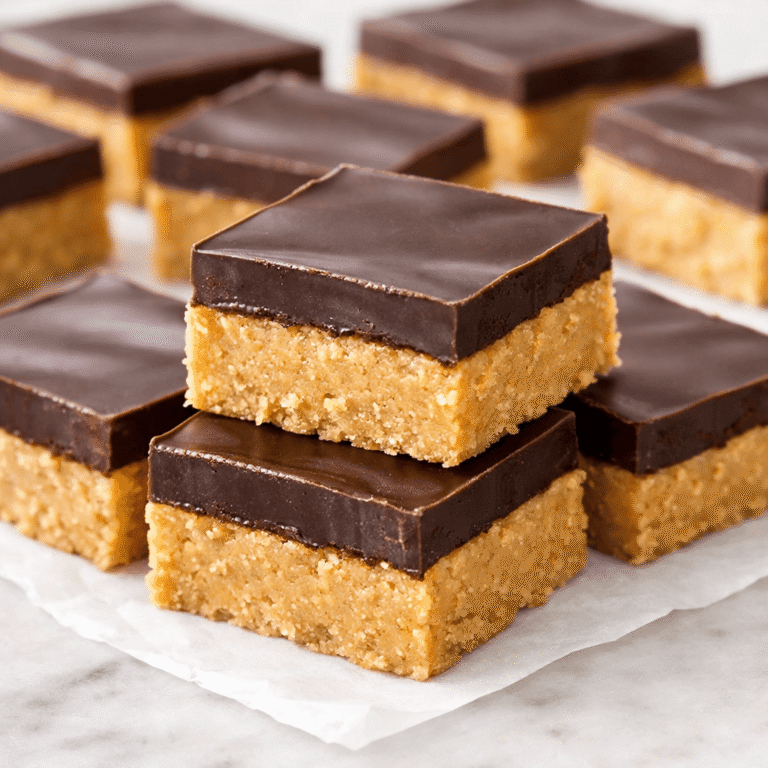
Use Puppy Chow as the crisp, bite-size contrast beside richer desserts. For a sliceable no-bake option in the same nostalgic flavor family, add these no-bake peanut butter bars to the table.
How to Make Ahead, Store, and Freeze Puppy Chow
Storage succeeds only after the coating is completely set and the cereal is fully cool. Sealing warmth or thawing an open container can place moisture directly on the powdered surface.
Make It Ahead
Prepare the mix ahead within the storage windows below, cool it completely, and transfer it to an airtight container. For the freshest party presentation, wait to portion it into open cups or bowls until close to serving.
Store at Room Temperature
Keep Puppy Chow airtight in a cool, dry place for up to 5 days for the best texture. Avoid a warm countertop, direct sunlight, steam, and loosely covered bowls.

Refrigerate for a Firmer Crunch
Refrigerate the fully cooled mix in an airtight container for up to 2 weeks. Serve it cold, or let the sealed container stand briefly at room temperature before opening so humid air does not settle directly on the cereal.
Freeze and Thaw Without Condensation
Freeze Puppy Chow airtight for up to 2 months. Thaw the container while it remains completely sealed so condensation forms outside the package rather than on the powdered coating.

Open the container only after the contents have returned to serving temperature and the exterior moisture has been wiped away. Discard the mix if it develops visible moisture, mold, an off odor, or a rancid peanut flavor.
Why Reheating Is Not Recommended
Do not reheat Puppy Chow. Heat remelts the chocolate-peanut-butter layer, dissolves the dry sugar finish, and can soften the cereal rather than restoring it.
Puppy Chow Substitutions and Batch Sizes
A few swaps work well, while others change the texture, flavor, or allergy considerations. Here is what to expect before substituting ingredients or changing the batch size.
Rice Chex vs. Corn Chex
Replace Rice Chex with Corn Chex in equal volume, or use 8 total cups of a rice-and-corn blend. Corn contributes a slightly more noticeable flavor and a somewhat sturdier crunch, but the snack remains recognizably Puppy Chow.
Chocolate and Butter Choices
Milk chocolate creates a sweeter, softer coating, while chocolate around 60–70% cacao makes it firmer and less sweet. Salted butter may replace unsalted butter only when the added fine sea salt is omitted.
Peanut Butter and Allergy Notes
Do not use separated natural peanut butter as a direct substitute. A commercial no-stir almond, cashew, or sunflower butter may behave differently and changes the flavor materially; verify every current package and cross-contact statement before making an allergen decision, especially because the FDA identifies peanuts among the major food allergens.
Half Batches and Double Batches
For a half batch, use 4 cups (120 g) cereal, 1/2 cup (85 g) chocolate chips, 1/4 cup (64 g) peanut butter, 2 tablespoons (28 g) butter, 1/2 teaspoon vanilla, 1/8 teaspoon salt, and 3/4 cup (90 g) powdered sugar. The yield is about 5 cups, or 10 servings.
For twice the yield, make two complete batches consecutively. Combining everything in one bowl or bag crowds the cereal, slows coating, and increases breakage.
Keep the No-Bake Dessert Inspiration Going
Once the Puppy Chow bowl is ready, choose your next recipe by the craving you want to keep: the same chocolate-peanut-butter pairing, another no-bake method, or a party-friendly dessert with a different texture.
More Chocolate-Peanut Butter Favorites
Follow this path when the salty-sweet pairing is the part you want again, but you would like a brownie, cake, cookie, or candy instead of cereal crunch.
- Buckeye Brownies — Choose these when you want the same chocolate-peanut-butter flavor in a rich, sliceable brownie.
- Chocolate Peanut Butter Texas Sheet Cake — This is the natural next click for feeding a larger crowd with the same nostalgic flavor pairing.
- Peanut Butter Chocolate Chip Cookies — Pick these for a chewy cookie version with chocolate and peanut butter in every bite.
- Peanut Butter Fudge — Try this when you want the peanut-butter side of the craving in a smooth, compact candy.
More No-Bake Desserts
Choose one of these when you want another low-oven-effort dessert while changing the main texture and serving style.
- No-Bake Oatmeal Cookies — These keep the quick stovetop-and-set rhythm while trading cereal crunch for chewy oats.
- Peanut Butter Energy Balls — Choose these for a roll-and-chill peanut-butter bite with tidy portions and no oven.
- Oreo Balls — These are the right next click when you want a chocolate-coated no-bake bite with a creamy center.
- No-Bake Cheesecake — Move to this when the occasion calls for a chilled, sliceable dessert instead of a snack mix.
Easy Desserts for Parties and Sharing
This path moves from a casual snack bowl toward individually portioned or decorative desserts for a larger spread.
- Scotcheroo Bites — These echo the cereal-and-peanut-butter nostalgia in a compact party bite.
- Brownie Bites — Add these when you want a small, rich chocolate dessert that is easy to portion beside snack mix.
- How to Make Cake Pops — Choose cake pops for a more decorative, make-ahead centerpiece on a celebration table.
- Chocolate Covered Strawberries — These bring a fresh, fruit-forward counterpoint to the crunchy, powdered snack.
Why This Puppy Chow Belongs in Your Recipe Box
This simple snack earns its place in a recipe box because it is quick, easy to scale, and dependable for parties, movie nights, or gifting.
- It keeps the familiar chocolate-peanut-butter flavor people expect from classic Puppy Chow.
- The warm-and-tacky cue makes the powdered-sugar finish easier to get right.
- The same batch works for a casual snack bowl, individual portions, or homemade gifts.
- The recipe uses seven ingredients and five straightforward steps.
- The included half-batch quantities suit a smaller group, while two separate full batches work better for a crowd.
- Clear storage guidance makes it easy to prepare ahead.
A Final Note on Homemade Puppy Chow
Homemade Puppy Chow is at its best when the cereal stays crisp, the chocolate-peanut-butter coating is generous but light, and the powdered sugar remains dry and snowy.
It is the kind of recipe worth returning to when you need something quick, shareable, and uncomplicated, but still want the finished bowl to look intentional. Once the warm-and-tacky sugar window becomes familiar, the whole process feels calmer and more predictable.
The small detail that matters most is knowing when the coating is ready for its snowy finish.
Love this? There are twenty more like it.
128 pages, five chapters, 15 kitchen guides and 16 printable planning pages — in US Letter and A4.

Puppy Chow (Muddy Buddies)
Classic Puppy Chow, also known as Muddy Buddies, coats crisp rice cereal with semisweet chocolate and creamy peanut butter, then finishes every piece with a dry, white layer of powdered sugar.
Ingredients
- 8 cups Rice Chex cereal (240 g), plain, fresh, and crisp
- 1 cup semisweet chocolate chips (170 g), approximately 50–60% cacao
- 1/2 cup creamy no-stir peanut butter (128 g)
- 1/4 cup unsalted butter (57 g), cut into 4 pieces
- 1 teaspoon pure vanilla extract (5 ml)
- 1/4 teaspoon fine sea salt (1.5 g)
- 1 1/2 cups powdered sugar (180 g), measured unsifted and divided into three 1/2-cup portions
Instructions
- Prepare the Cereal and Coating Station: Line a 13 × 18-inch rimmed pan with parchment paper or wax paper. Place 8 cups (240 g) Rice Chex in a 10–12-quart mixing bowl. Keep the cereal away from steam or splashes, and open a 2-gallon bag or prepare a 10–12-quart lidded container before melting the coating. What you should see: The cereal should look dry, crisp, intact, and loosely piled with generous room for folding. Remove visibly crushed pieces and discard cereal that tastes stale before coating.
- Melt the Chocolate-Peanut Butter Coating: Combine 1 cup (170 g) semisweet chocolate chips, 1/2 cup (128 g) creamy no-stir peanut butter, and 1/4 cup (57 g) unsalted butter in a 4-cup microwave-safe bowl. For a 1000-watt microwave, heat on High for 45 seconds, then stir slowly for 30 seconds. Continue in 10–15-second bursts, stirring after each, only until the last small pieces melt from residual heat. Stir in 1 teaspoon (5 ml) vanilla and 1/4 teaspoon (1.5 g) fine sea salt. What you should see: The coating should be smooth, glossy, and fluid enough to fall from the spatula in a thick continuous ribbon. It must not look grainy, separated, scorched, or steaming; if measured, it should generally be no hotter than about 110°F (43°C) before it reaches the cereal.
- Coat the Cereal: Pour the warm coating over as much of the cereal surface as possible rather than into one spot. Use a flexible silicone spatula to fold from the bottom up while rotating the bowl for about 45–60 seconds. Stop as soon as the pieces are thinly and evenly coated; do not continue stirring merely to eliminate every small cluster. What you should see: Nearly every cereal square should be glossy brown with no large dry pockets and no pool of coating at the bottom. A few two- or three-piece clusters are correct, and the cereal walls should remain intact rather than crushed.
- Cool Briefly and Shake with Powdered Sugar: Let the coated cereal stand for 2–3 minutes, folding once halfway through. Place 1/2 cup (60 g) powdered sugar in the bottom of the prepared bag or container. Add half the coated cereal, top with another 1/2 cup (60 g) sugar, add the remaining cereal, then finish with the last 1/2 cup (60 g). Seal with air space inside and shake gently with broad movements for 20–30 seconds, turning the vessel over several times rather than crushing it between your hands. What you should see: Before shaking, the coating should be warm and tacky but no longer hot or runny. After shaking, the pieces should be generously white and craggy, separated into mostly individual pieces and small natural clusters, with no broad wet chocolate patches.
- Let the Puppy Chow Set: Spread the coated cereal across the prepared pan, separating only very large clusters while the coating is still flexible. Let stand at room temperature for 20–30 minutes before serving or storing. In a room warmer than 75°F (24°C), refrigerate the tray for 10 minutes after the initial 10-minute room-temperature rest. What you should see: The surface should feel dry rather than greasy, the powdered sugar should remain visibly white, and a piece lifted between the fingers should release without smearing. The center should remain crisp and airy.
Notes
Microwave Wattage: Use 30 seconds plus 10-second bursts at 1200 W; 45 seconds plus 10–15-second bursts at 1000 W; 60 seconds plus 15-second bursts at 800 W; or 60 seconds plus 20-second bursts at 700 W. Stir thoroughly after every interval and stop as soon as the coating is smooth and ribbons from the spatula.
Stovetop Method: Combine the chocolate chips, peanut butter, and butter in a 2-quart heavy-bottomed saucepan. Warm over the lowest heat for about 2–4 minutes, stirring continuously. Remove the pan while a few small chip shapes remain, stir smooth with residual heat, then add the vanilla and salt.
Peanut Butter: Use conventional creamy no-stir peanut butter. Separated natural peanut butter is not an equal swap because it can make the coating oily, thin, or inconsistent.
Storage: Cool completely before sealing. Store airtight at cool room temperature for up to 5 days, refrigerate airtight for up to 2 weeks, or freeze airtight for up to 2 months. Thaw while completely sealed so condensation forms outside the container. Do not reheat.
Scaling: For 10 servings, use 4 cups (120 g) cereal, 1/2 cup (85 g) chocolate chips, 1/4 cup (64 g) peanut butter, 2 tablespoons (28 g) butter, 1/2 teaspoon vanilla, 1/8 teaspoon salt, and 3/4 cup (90 g) powdered sugar. For 40 servings, make two separate complete batches; do not combine them in one bowl or shaking vessel.
Nutrition Information:
Yield: 20 Serving Size: 1/2 cupAmount Per Serving: Calories: 185Total Fat: 8gSaturated Fat: 4gTrans Fat: 0gCholesterol: 6mgSodium: 156mgCarbohydrates: 27gFiber: 2gSugar: 15gProtein: 3g
Nutrition information is provided as an estimate only and may vary based on specific ingredients, brands, and portion sizes used. This information should not be considered medical or nutritional advice.
12 Sweet Favorites — Yours, Free 🍰
Tiramisù, no-bake cheesecake, the perfect chocolate chip cookie & 9 more reader-loved desserts — gathered into one beautiful free recipe book. From my kitchen to yours.
No spam, just sweet things. Unsubscribe anytime.