Cinnamon Apple Bread (Easy, Moist & Spiced)
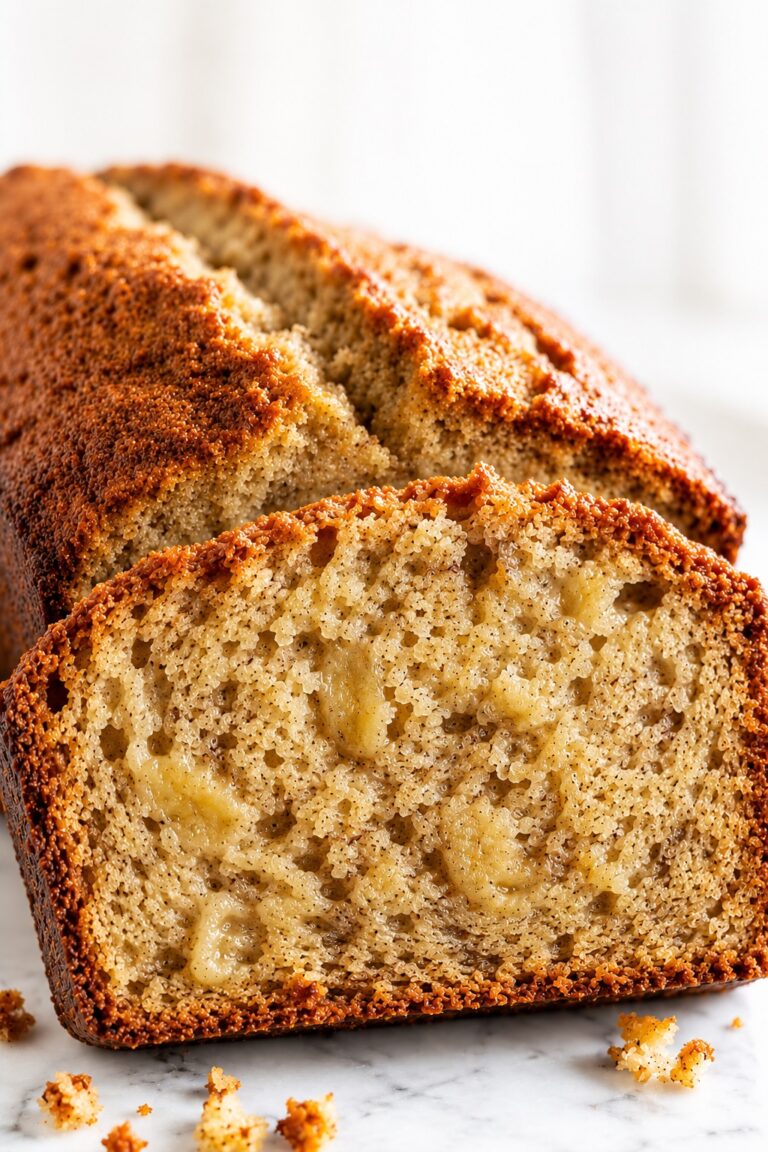
Cinnamon apple bread is a sweet, hand-mixed quick bread with diced apples folded into a buttery sour cream batter and a thin cinnamon-sugar topping. It bakes into a tender loaf with moist apple pockets, a lightly crisp surface, and enough structure for neat slices once cool.

Apples and cinnamon suit the kind of baking that fits around an ordinary afternoon. This loaf brings their familiar flavor to a coffee break or breakfast plate, with little pieces of fruit in every slice and a gentle crunch along the top edge.
The most useful thing to watch is the center: a browned top can be ready before the crumb beneath it. The steps below show what thick apple bread batter should look like, how to distinguish apple juice from raw batter on a tester, and when the loaf is ready to cut. Those are helpful checks to return to whenever apples are on your baking list.
Cinnamon Apple Bread at a Glance
Plan on about 20 minutes of preparation and a full cooling period before serving this cinnamon apple bread. The oven time is a range, so leave room for the center checks rather than planning to slice it at a fixed minute.
| Detail | What to plan |
|---|---|
| Method | Hand-mixed quick bread; chemically leavened |
| Active preparation | 20 minutes |
| Baking | 60–75 minutes; 65 minutes for planning |
| Cooling | About 2 hours: 20 minutes in the pan, then about 100 minutes on a rack |
| Total time | About 3 hours 25 minutes; roughly 3 hours 20–35 minutes depending on baking, plus extra cooling if needed |
| Yield | 1 loaf, cut into 10 equal slices |
| Pan | Light-colored metal, 9 × 5 × about 2 3/4 inches (23 × 13 × 7 cm); about 1.9–2 liters |
| Oven | 350°F (175°C), conventional heat; rack just below center |
| Difficulty | Easy mixing; careful center checks and cooling |
| Flavor | Butter, cinnamon, vanilla, and tart apple |
| Texture | Tender, moist crumb with distinct apple pieces and a thin sugar crust |
| Make ahead | Bake a day ahead and refrigerate; prepare dry ingredients and topping separately up to a day ahead |
| Freezer | Up to 2 months, well wrapped at 0°F (−18°C) |
| Storage | Refrigerate within 2 hours after baking at 40°F (4°C) or below; keep up to 4 days |
Why This Cinnamon Apple Bread Works
A good apple loaf needs enough fruit to make the apples noticeable and enough crumb to hold those tender pieces together. This version balances the two, then gives the surface a light cinnamon-sugar finish that leaves the fruit-filled slice at the center of attention.
- Apple pieces with crumb between them. The 240 g of prepared apples is matched to 240 g of flour, giving the fruit space throughout the loaf. That measured balance avoids the easy mistake of adding an extra apple and leaving too little batter between the pieces to support a clean slice.
- Tenderness without a loose batter. Melted butter brings richness, while thick, full-fat sour cream adds moisture without making the mixture pourable. The result is a batter that needs spreading, with enough body to carry the diced fruit; thinning it to look like cake batter would change that balance.
- A thin crust that belongs on the surface. The separate 25 g portion of sugar stays on top, where it can form a fine cinnamon crust as the loaf bakes. Keeping it in an even layer gives each slice a little texture at the edge, rather than concentrating the topping in heavy, damp patches.

Why You’ll Love This Apple Loaf
The baker’s perk is the first choice of slices. I’d take the golden end piece with my coffee and save a thick slice from the middle for breakfast.
- Apples you can actually taste. If you enjoy finding tender fruit in a cake, these little apple pieces give you that pleasure throughout the slice. Their gentle tartness breaks up the sweetness, especially with Granny Smith apples.
- A soft middle and a delicate edge. The moist crumb makes a generous slice inviting, while the freshly cooled sugar crust adds a little contrast. There is something to enjoy in both the soft center and the golden end piece.
- Comforting, without feeling like a celebration cake. Butter, vanilla, and cinnamon give the loaf a familiar warmth that fits a quiet coffee break or a casual plate passed across the table. It feels at home on an ordinary day, without needing a special occasion.
- A treat at your own pace. One slice can be breakfast, an afternoon pause, or a small sweet finish after dinner. You can enjoy a little of the loaf at a time, with the remaining portions refrigerated or frozen for another day.
Who This Cinnamon Apple Bread Is Perfect For
This cinnamon apple bread suits bakers who want a substantial fruit loaf with time to cool properly.
- You enjoy distinct, tender apple pieces rather than fruit blended into the batter.
- You prefer a butter-flavored loaf with a moist, close crumb.
- You want to bake the afternoon before a coffee gathering and refrigerate the loaf overnight.
- You have a light metal 9 × 5-inch loaf pan and can give a deep loaf time to bake through.
Allow more than three hours from starting to slicing. This is not a loaf to begin when you need warm bread on the table within an hour.

The Science of a Tender Apple-Filled Crumb
A fruit loaf has to rise, set around moist pieces of apple, and remain tender enough to enjoy in a slice. Understanding those three jobs helps explain why the measurements and mixing cues matter.
Chemical Lift in a Fruit-Filled Batter
Double-acting baking powder supplies the main lift, while the small amount of baking soda reacts with acidic ingredients, including sour cream. NC State explains how baking soda reacts with acid: that reaction releases carbon dioxide, which helps batter rise. Keep the two leaveners at their measured amounts and put the finished batter into the preheated oven promptly.
Apple Moisture and Crumb Structure
As apple pieces soften, their moisture sits beside crumb that is setting from flour and eggs. Large chunks or extra fruit leave bigger, wetter interruptions in that structure. Weighing the apples after peeling and coring, then cutting them into even small cubes, keeps the amount and distribution of fruit consistent.
Mixing and Cooling for Tender Slices
Once flour meets the wet ingredients, continued stirring develops more gluten. Folding only until the dry flour disappears limits toughness while still giving the apples an even coating of batter. After baking, the hot crumb is more fragile than the cooled loaf; allowing it to settle before slicing makes it less likely to tear around the fruit.
Ingredients for Cinnamon Apple Bread
Measure the apples after preparing them, and keep the small topping quantities separate from the sugars and cinnamon for the batter. This recipe makes one 9 × 5-inch loaf.
Ingredient List
Use the gram weights where possible, especially for flour and prepared apples. The topping has its own sugar and cinnamon in addition to the amounts mixed into the batter.

Apples
- About 2 cups (240 g) peeled, cored Granny Smith apples, cut into 3/8-inch (8–10 mm) cubes
Dry ingredients
- 2 cups (240 g) all-purpose flour, spooned and leveled
- 2 teaspoons ground cinnamon (about 5 g)
- 1 1/2 teaspoons double-acting baking powder (6 g)
- 1/4 teaspoon baking soda (about 1.5 g)
- 1/2 teaspoon fine salt (3 g)
Wet ingredients
- 1/2 cup (113 g) unsalted butter, melted and cooled until just warm
- 3/4 cup (150 g) granulated sugar
- 1/4 cup (53 g) packed light brown sugar
- 2 large eggs (about 100 g without shells), at room temperature
- 1/2 cup (120 g) full-fat sour cream, at room temperature
- 2 teaspoons (10 ml) pure vanilla extract
Cinnamon-sugar topping
- 2 tablespoons (25 g) granulated sugar
- 1/2 teaspoon ground cinnamon (about 1 g)
You will also need a little extra butter or baking spray for greasing the pan. This is separate from the 1/2 cup of butter in the batter.
Choosing and Cutting the Apples
Granny Smith apples bring a tart contrast to the sweet crumb. Choose firm fruit, peel and core it, then weigh out 240 g. The “about 2 cups” measure is a guide because loosely or tightly packed apple pieces can fill the same cup differently.
Cut the prepared fruit into 3/8-inch (8–10 mm) cubes. A fairly even dice matters more than perfectly square pieces: similar sizes soften at a similar rate and leave fewer oversized wet pockets. Dice the apples shortly before mixing; they do not need a sugar soak.
Butter, Sour Cream, and Cinnamon Sugar
Use unsalted butter so the measured salt controls the seasoning. Melt the butter, then let it cool until just warm, about 86–95°F (30–35°C), before it meets the eggs. Full-fat sour cream should be plain, with a thick, spoonable consistency; stir it smooth before measuring if it has separated slightly.
Granulated sugar and light brown sugar both belong in the batter. The smaller topping portion stays in its own bowl so the surface receives a fine, even layer instead of losing that sugar in the mix.

The Loaf Pan and Tools for Apple Bread
Use a light-colored metal loaf pan with an inside size close to 9 × 5 inches and a depth of about 2 3/4 inches (23 × 13 × 7 cm). Its roughly 1.9–2-liter capacity gives this batter the intended depth; a smaller pan needs a different baking plan.
- Pan and oven: Light-colored metal 9 × 5 × about 2 3/4-inch loaf pan; parchment sling, extra grease, conventional oven; rack just below center.
- Measuring and apple preparation: Scale, measuring cups and spoons, peeler, sharp knife and board; weigh apples after peeling/coring.
- Hand mixing: A large bowl for the wet ingredients, a second bowl for the dry ingredients, a small bowl for the cinnamon sugar, a whisk, and a flexible spatula.
- Center and browning checks: Cake tester or wooden skewer; foil for loose tenting; optional instant-read thermometer as an auxiliary check.
- Cooling, slicing and storage: Wire rack, thin spatula for releasing ends, serrated knife, airtight container, wrap and freezer bag.
Before You Mix the Apple Bread Batter
Set out the eggs and sour cream to come to room temperature. Melt the butter before you start on the apples so it has time to cool until just warm.
Peel and core the apples before weighing out 240 g of fruit. Dice that portion into 3/8-inch (8–10 mm) pieces so the apples soften evenly in the loaf.
What to Expect from This Apple Loaf
This cinnamon apple bread has an apple-studded crumb and a thin cinnamon-sugar top. The cinnamon runs through the batter; there is no internal swirl or glaze.
- Before baking: the batter is thick and spreadable, with apple pieces held throughout it.
- At the surface: the top rises and may crack, with a fine sugar crust rather than a thick crumble.
- Inside a cooled slice: the crumb is tender and moist, with softer pockets where the baked apples sit.
- After wrapping: the crumb stays moist, while the surface gradually loses some crispness.
How to Make Cinnamon Apple Bread
Work through the seven steps in order, using the texture cues to decide when to stop mixing and when to remove the loaf from the oven. Keep the cooling time in your plan for cinnamon apple bread that slices neatly.
1. Prepare the Oven, Pan, and Apples
Heat the conventional oven to 350°F (175°C), with a rack just below center. Melt the 1/2 cup (113 g) butter and let it cool until just warm, about 86–95°F (30–35°C). Lightly grease the 9 × 5-inch metal loaf pan and line its base and long sides with parchment, leaving handles for lifting. Peel and core the apples, cut into 3/8-inch (8–10 mm) cubes, and weigh 240 g.
What you should see: Apple pieces of roughly equal size and liquid butter that is warm, not steaming. The apples remain plain, without added sugar or juice.

2. Mix the Dry Ingredients and Topping Separately
In a small bowl, stir together the 2 tablespoons (25 g) topping sugar and 1/2 teaspoon cinnamon. In a separate bowl, whisk the flour, 2 teaspoons cinnamon, baking powder, baking soda, and salt for about 20 seconds.
What you should see: Evenly colored flour with no obvious clumps of spice or leavener. The small bowl of cinnamon sugar stays separate for the surface.

3. Whisk the Butter, Sugars, Eggs, and Sour Cream
In a large bowl, whisk the melted butter, 3/4 cup (150 g) granulated sugar, and 1/4 cup (53 g) brown sugar for about 30 seconds, breaking up brown sugar lumps. Whisk in the eggs one at a time, followed by the sour cream and vanilla.
What you should see: A thick, evenly combined mixture without white streaks of sour cream or separate pools of butter. A little sugar graininess is normal; the mixture does not need to become fluffy.

4. Fold in the Flour and Apple Pieces
Add the dry mixture to the wet mixture. Fold with a flexible spatula until only a few narrow streaks of flour remain, sweeping along the bottom of the bowl.

Add all the diced apples and continue folding only until the dry flour disappears and the fruit is distributed. Check the bottom once more for an unmixed pocket.
What you should see: Thick batter that drops heavily from the spatula and needs spreading in the pan. There should be no dry flour; do not thin it with milk.

5. Fill the Pan and Add Cinnamon Sugar
Scrape all the batter into the prepared pan and gently level the surface. In the specified pan it should reach roughly halfway to two-thirds up the sides, never above three-quarters.

Sprinkle the entire reserved cinnamon-sugar mixture evenly over the batter. Keep the surface free of an extra layer of apple pieces.
What you should see: An even, fine coating of cinnamon sugar across the level batter, without thick piles at the edges.

6. Bake and Check the Center
Bake for about 60–75 minutes. Check the color after 40 minutes; if the top is already well browned, loosely tent it with foil without pressing on the topping. Begin checking the center at 60 minutes with a cake tester or skewer in two places between apple pieces. If it brings out raw batter, bake for another 5 minutes and check again.

What you should see: A risen top, a stable center, and baked crumb in any central crack. The tester comes out clean or with a few moist crumbs, without opaque batter paste.

7. Cool the Loaf and Slice
Set the pan on a wire rack for 20 minutes. Release the short ends with a thin spatula, lift with the parchment handles while supporting the base, and pull the paper away from the sides. Cool on the rack for about 100 minutes more, until the center is cool enough for the loaf to hold its shape when cut. Use a serrated knife to cut 10 equal slices.
For storage, move the loaf to the refrigerator within 2 hours of taking it out of the oven. If it is still a little warm, finish cooling there with a loose cover, then wrap or seal it once cool.
What you should see: A stable slice with tender crumb around the apples, rather than a compressed, gummy band. The topping may soften after wrapping.
I once sliced an apple loaf while it was still warm, and the first slice broke apart around the apple pieces. That small disappointment taught me to give fruit-filled loaves time to settle before cutting. A warm slice is tempting, but a little patience makes it much easier to serve neatly.

How to Tell When the Apple Bread Is Done
Check the crumb near the center of cinnamon apple bread in two places, avoiding visible apple pieces. Top color alone cannot tell you whether the deeper batter has set, and a tester that pierces fruit can look wet even when the surrounding crumb is baked.
| What the tester shows | What it suggests | What to do |
|---|---|---|
| Opaque, sticky batter that smears into a paste | The center still needs baking. | Return the loaf to the oven for 5 minutes, keeping the foil tent if needed, then test again. |
| Clear moisture or a soft fragment of apple | The tester may have passed through fruit. | Test another nearby spot through crumb before deciding. |
| A few distinct moist crumbs, or a clean tester, in two central spots | The crumb has set if the center is also stable. | Remove the pan and begin cooling; do not keep baking merely to dry out the fruit. |
An instant-read thermometer can provide a supporting check. About 200–205°F (93–96°C) in the central crumb is a useful general quick-bread reference, not a substitute for the visual and tester checks. Avoid measuring inside an apple piece or against the pan, where the reading describes something other than the crumb.
Reading the Crumb After Cooling
A cooled slice should hold together, with small moist pockets around identifiable apple pieces. A dense, translucent, paste-like band through the center is different from those local fruit pockets and can point to underbaking or excess moisture. Judge the cut loaf only after cooling, since a warm knife-cut can squash otherwise baked crumb.

Tips for Baking and Slicing Apple Cinnamon Quick Bread
A few small observations can improve consistency without adding another mixing or baking stage. These details help protect the crumb when the batter is thick and the finished loaf is fragile.
- Turn the bowl as you fold. A clean-looking surface can hide flour underneath thick batter; sweep the spatula against the bottom as you rotate the bowl so you can reach that pocket without giving the whole mixture many extra strokes.
- Measure inside the pan. A broad rim can make a small pan look like a 9 × 5-inch pan; check the interior length, width, and depth, because deeper batter can remain wet after the top has browned.
- Support the middle when lifting. Parchment handles carry the loaf at the sides, so slide a broad spatula underneath as you lift; supporting the warm base helps keep it from bending and splitting.
- Let the knife do the cutting. Use a gentle sawing motion with a serrated knife and wipe away sticky apple residue between cuts; downward pressure can compress the crumb and drag fruit out of the next slice.
Why an Apple Loaf Turns Wet, Dry, or Crumbly
Similar-looking problems can have different causes. Compare the symptom with when it appeared, especially whether the loaf was still warm, before changing ingredients for the next bake.
| Mistake | What Happens | Why It Happens | How to Prevent or Fix It |
|---|---|---|---|
| Removing the loaf based on top color | The center is wet or sinks as it cools. | The surface browns before the deep batter has set; a small pan or extra fruit can worsen it. | While baking, tent the top and continue checking the center. For the next loaf, verify the pan and fruit weight. A cooled, raw center is not ready to eat. |
| Packing flour or baking past doneness | The crumb feels dry and breaks into small crumbs. | Too much flour or excess moisture loss leaves less tenderness around the apples. | Weigh flour, or spoon and level it. Stop once two central checks show baked crumb; additional baking will not restore a dry loaf. |
| Adding extra or oversized apple pieces | The base feels fruit-heavy, with wet gaps between pieces. | The amount or size of fruit interrupts the crumb and makes distribution less even. | Use 240 g of prepared fruit, keep the dice even, and check distribution as you transfer batter. |
| Letting the top keep browning uncovered | The crust becomes dark while the center still needs time. | Direct oven heat continues coloring the exposed sugar crust. | Check at 40 minutes and add a loose foil tent if needed, then finish baking the center. |
| Slicing before the loaf settles | Slices tear or collapse around the apples. | Warm crumb is fragile, and pressure from cutting can pull it apart. | Cool the remaining loaf before further slicing; use a serrated knife with light pressure. |
| Sealing the loaf while warm | The topping becomes damp and loses its fine crunch. | Trapped steam condenses inside the wrapping; moisture also softens sugar during storage. | Finish cooling with a loose cover in the refrigerator if necessary, then seal. Expect some softening even with careful storage. |
Beautiful Ways to Serve Cinnamon Apple Bread
Start with a cooled slice so the apples stay tucked into the crumb. Cinnamon apple bread can be served plain or with a small accompaniment that leaves its butter and fruit flavors easy to taste.
A Plain Slice with Coffee or Tea
Serve a slice on a small plate beside coffee or unsweetened tea, with the cinnamon-sugar edge facing up. For a chilled slice, a short warming brings back a softer bite; heat it briefly rather than trying to make it piping hot, which can make the fruit pockets fragile.

A Little Butter or Apple Butter
For a richer breakfast slice, spread a thin layer of softened butter over one cut face. It is easier to spread on a cooled or only slightly warmed slice, and a little is enough alongside the butter already in the crumb.

For a fruitier serving, spoon a small amount of apple butter onto the plate and add it a bite at a time. Keeping the spread alongside the bread lets the sugar crust stay exposed and gives each person control over the extra sweetness. Both spreads are optional serving additions.

A Small Loaf Platter to Share
Arrange a few slices slightly overlapping on a platter, leaving their apple-filled cut faces visible. Cut thicker slices in half across the middle for smaller tasting portions, and bring out only what you expect to serve; the remainder can stay covered in the refrigerator. Place any butter or apple butter in a separate small dish so the loaf remains easy to pick up and portion.

Storing and Making Cinnamon Apple Bread Ahead
Wrap the loaf once it has cooled so steam doesn’t collect against the cinnamon-sugar crust.
Refrigerating the Finished Loaf
Refrigerate within 2 hours of removing the loaf from the oven, at 40°F (4°C) or below. If the center still feels warm at that point, finish cooling in the refrigerator under a loose cover, then seal in an airtight container or wrap well. Keep for up to 4 days; the first 2–3 days give the best eating quality.
Leave the loaf unsliced when practical and cut portions as needed, since every exposed cut surface can dry out. The cinnamon-sugar crust gradually softens after wrapping, even while the crumb stays tender.

Freezing, Thawing, and Warming Slices
Once fully cool, wrap the loaf or individual slices closely, then place in a freezer bag or airtight freezer container. Freeze at 0°F (−18°C) for up to 2 months for best quality. Individual portions let you thaw only what you need without repeatedly unwrapping the whole loaf.

Thaw while wrapped in the refrigerator overnight. To soften a chilled slice for serving, microwave for 10–15 seconds, check, then add short increments if needed. Heating strength and slice thickness vary, so stop once pleasantly warm rather than heating until the crumb steams.
What You Can Prepare a Day Ahead
Measure and combine the dry ingredients up to a day ahead, and mix the topping in a separate covered container. Leave the apples whole until baking day. For a fully prepared loaf, bake, cool, and refrigerate it the day before serving.
Mix the wet and dry ingredients only when the pan and oven are ready. Holding the finished batter for hours changes the leavening timing and allows the apples to release moisture, so refrigeration is not a substitute for baking it promptly.
Apple Bread Variations and Substitution Limits
A few flavor choices keep this cinnamon apple bread close to the original proportions. Changes to the flour, fat, dairy, or form of the fruit affect more than flavor, so treat those as a different baking project.
Apple and Brown Sugar Choices
Honeycrisp can replace Granny Smith at the same 240 g prepared weight for a sweeter apple flavor. Keep the peeling, coring, and 3/8-inch dice the same. Dark brown sugar can replace the 53 g of light brown sugar for a deeper molasses note and slightly darker crumb; keep the granulated sugar portions unchanged.
Ingredient Swaps and Other Baking Formats
These instructions use full-fat sour cream, butter, wheat flour, and eggs. Yogurt varies in water and protein content, oil changes the fat and water balance, and gluten-free or egg-free baking needs its own structure adjustments. For those needs, choose a recipe written for the ingredients you want to use rather than relying on a one-for-one substitution here.
Keep the fruit diced and fresh. Applesauce, grated apples, and canned pie filling distribute moisture and sugar differently from the measured apple cubes in this batter. Reducing sugar also changes tenderness and browning, so keep the listed amounts for this loaf.
For individual bakes, use apple muffins with their own batter portions and baking time. To make two loaves, double the ingredients and divide the batter between two identical pans with space for heat to circulate. Check each loaf separately; twice the batter does not mean twice the baking time.
Cinnamon Apple Bread Questions, Answered
These quick answers cover apple choice, common texture problems, and the most useful storage and planning decisions for cinnamon apple bread.
What apples work best in cinnamon apple bread?
Use firm Granny Smith apples for a tart contrast, or Honeycrisp for a sweeter result. Peel and core them before weighing 240 g, then dice into 3/8-inch (8–10 mm) pieces. Prepared weight is more consistent than counting whole apples.
Can I use applesauce instead of sour cream in apple bread?
For this loaf, I’d keep the ½ cup (120 g) of full-fat sour cream. Applesauce adds moisture, but it lacks the fat that sour cream brings to the crumb.
Why is my apple bread wet or sunken in the middle?
Underbaking, extra fruit, or a pan that holds the batter too deeply can leave the center unable to support itself. During baking, test crumb in two central spots and continue in 5-minute intervals if you find opaque batter. Clear apple juice on a tester needs a second check nearby, not an automatic longer bake.
Why did my apple bread turn out dry?
Too much flour and baking beyond doneness are common causes. Weigh the flour, or spoon it into the cup and level without packing. Begin checking at 60 minutes and stop when the center is stable and two crumb checks show no raw batter.
Why does apple bread crumble when I slice it?
If it is warm, the crumb may tear around the apple pieces before it has settled. Let it cool fully and cut with a light sawing motion. If a cool loaf is dry and crumbly too, review flour measurement and baking time rather than adding more cooling time.
How should I store this apple bread, and how long does it last?
Refrigerate within 2 hours of baking at 40°F (4°C) or below, and keep up to 4 days. Finish cooling with a loose cover if needed, then seal well. Expect the topping to soften; the first 2–3 days give the best quality.
Can I freeze apple bread, and how do I thaw it?
Yes. Wrap the cooled loaf or individual slices, place in a freezer bag or container, and freeze for up to 2 months. Thaw while wrapped in the refrigerator overnight. Briefly warm a slice for serving if you prefer a softer bite.
Can I bake this apple bread as muffins?
For individual portions, use the Apple Muffins recipe. Its batter fills 12 standard muffin wells about three-quarters full. Each muffin heats through much sooner than the center of a deep loaf, so follow the muffin baking time.
Can I mix the batter ahead and bake it later?
Bake the finished batter promptly. To get ahead, combine the dry ingredients and topping separately up to one day before baking, then prepare the apples and mix the batter when the oven is ready. You can also bake and refrigerate the finished loaf a day ahead.
Continue Your Apple Baking Journey
There are a few ways to follow an apple loaf. Stay with something to slice beside the coffee pot, carry the cinnamon apples into a cake or cheesecake, or give the fruit most of the baking dish and leave just enough room for a buttery topping.
More Loaves for Coffee and Breakfast
Stay with a loaf when you like cutting just what you need and leaving the rest for another serving. These four change the flavor and the feel of the crumb, from smooth pumpkin to tart cranberries or little pieces of chocolate.
- Pumpkin Bread gets its soft, even crumb from pumpkin purée mixed right into the batter. It carries the warm spice of this apple loaf into a slice you can butter from edge to edge.
- Banana Bread is the loaf for the brown-speckled bananas in the fruit bowl. Mashed banana, brown sugar, and melted butter give it a mellow sweetness all the way through.
- Cranberry Orange Bread keeps the little bursts of fruit that make apple bread so good. Fresh cranberries give a sharper bite, and orange zest in the batter echoes the thin orange glaze on top.
- Chocolate Chip Banana Bread has pockets of chocolate nestled in the soft banana crumb. A slice alongside strong coffee makes a good afternoon sweet.
Apple Bakes to Slice and Share
For a dessert to share, pair the apples with a cinnamon-sugar crust, brown butter, or a creamy cheesecake layer.
- Apple Cake comes closest to this loaf in flavor. Its square pan gives each piece a broad cinnamon-sugar top, especially nice if the crust is your favorite part.
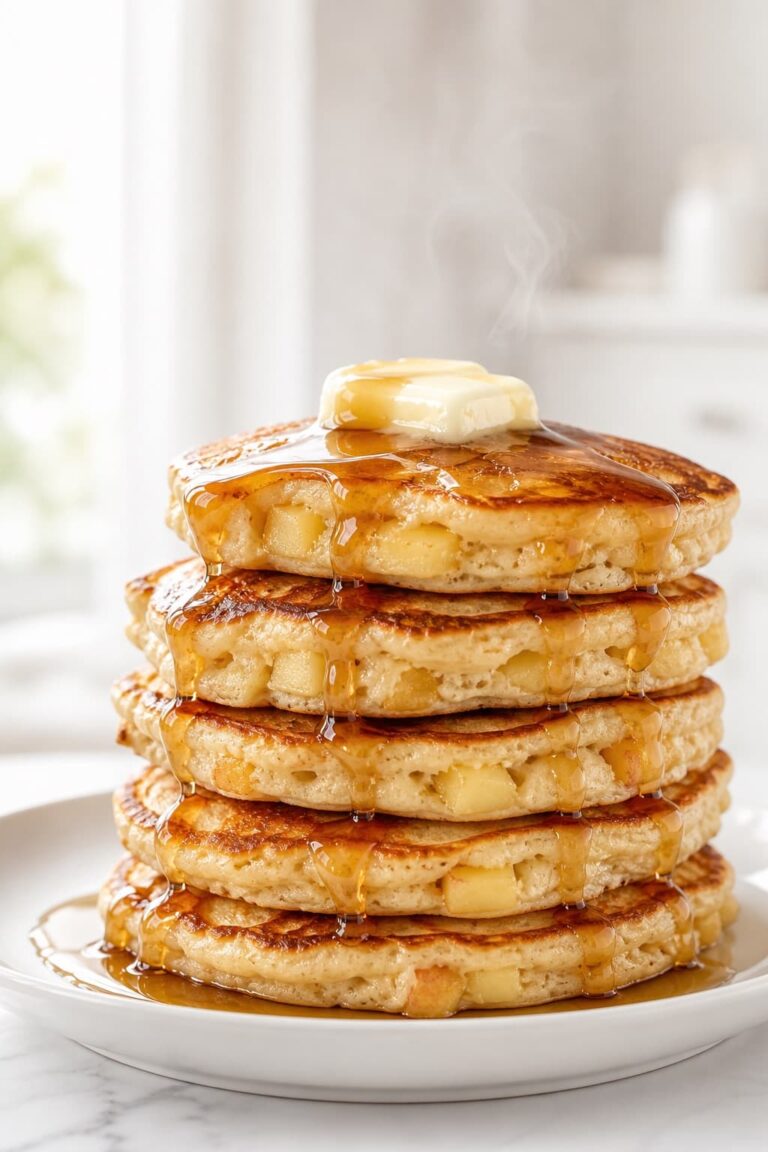
- Maple Glazed Apple Blondies tuck tender apple pieces into a dense brown-butter bar, with a thin layer of maple icing over each square.
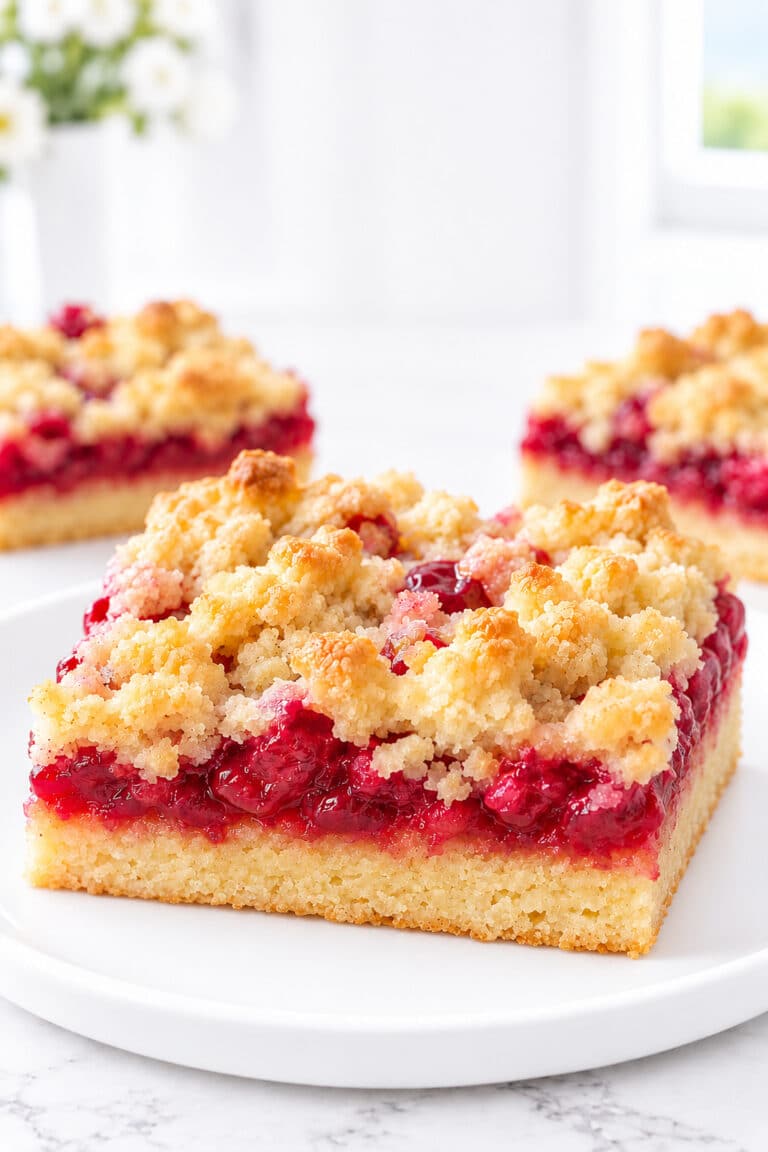
- Apple Crumble Cheesecake Bars layer cinnamon apples and golden crumbs over vanilla cheesecake and buttery shortbread. They chill overnight and cut into neat squares for a gathering.
- Apple Crisp Cheesecake is the one to bring to the table whole. Under the cinnamon apples and oat crumble, each wedge shows a deep layer of vanilla cheesecake on a graham cracker crust.
Warm Apple Desserts for the Table
For the next bake, you may want the apples to fill most of the spoon, with something golden baked around or above them. The choice here is between pastry, a soft topping, crisp crumbs, and an apple served in its own shape.
- Apple Crumble Pie gives you flaky pastry underneath the apple slices and buttery crumbs on top. A forkful taken near the rim catches all three layers.
- Apple Cobbler is made for a serving spoon. Break through the golden, buttery topping and scoop up the soft cinnamon apples and their juices underneath.
- Apple Crisp puts a generous layer of buttery oats over sliced apples. The topping breaks into little clusters as you dip a spoon through to the warm fruit.
- Baked Apples keep their shape around a cinnamon-oat filling. Each person gets a whole apple to open with a spoon and a little of the apple syrup from the pan.
Why This Cinnamon Apple Bread Belongs in Your Recipe Box
This is the cinnamon apple bread recipe to keep tucked behind the apple cake, ready for the first cool weekend of fall.
- The first apples of fall. The same loaf lets a tart Granny Smith come through clearly one week and a sweeter Honeycrisp the next.
- Breakfast made the night before. A slice from the refrigerated loaf can be warm by the time the coffee is poured, with the apple pieces still soft in the middle.
- A piece to send home. Two cooled slices fit neatly in a small tin for a friend, with a pretty patchwork of apple and crumb waiting under the lid.
- For the cinnamon-sugar edge. That thin, crisp strip across a freshly cooled slice is reason enough to pull out the loaf pan again.
- A better eye for fruit loaves. Once you recognize clear apple juice on a skewer, you know when to test a second spot and spare the next loaf a few unnecessary minutes in the oven.
A Final Note on Baking with Apples
A few grains of cinnamon sugar fall onto the plate as the knife goes through the top. Then the slice tips forward and you see the pale apple pieces, glossy along their cut edges.
Lay two slices beside each other and the pattern changes. One has a cluster of tart apple right in the middle. The other has a little more buttery crumb and a longer curve of crust along one side.
Even the end piece has its charm: a little more golden crust around the soft center, with cinnamon sugar along the top. It is a small pleasure, but one that gives this simple apple loaf a character of its own.

Cinnamon Apple Bread
A tender, buttery apple loaf made with diced apples, sour cream, and cinnamon, finished with a thin cinnamon-sugar crust. Cool completely for slices that hold together around the fruit.
Ingredients
Apples
- About 2 cups (240 g) peeled, cored Granny Smith apples, cut into 3/8-inch (8–10 mm) cubes
Dry ingredients
- 2 cups (240 g) all-purpose flour, spooned and leveled
- 2 teaspoons ground cinnamon (about 5 g)
- 1 1/2 teaspoons double-acting baking powder (6 g)
- 1/4 teaspoon baking soda (about 1.5 g)
- 1/2 teaspoon fine salt (3 g)
Wet ingredients
- 1/2 cup (113 g) unsalted butter, melted and cooled until just warm
- 3/4 cup (150 g) granulated sugar
- 1/4 cup (53 g) packed light brown sugar
- 2 large eggs (about 100 g without shells), at room temperature
- 1/2 cup (120 g) full-fat sour cream, at room temperature
- 2 teaspoons (10 ml) pure vanilla extract
Cinnamon-sugar topping
- 2 tablespoons (25 g) granulated sugar
- 1/2 teaspoon ground cinnamon (about 1 g)
Instructions
Prepare the oven, pan, and apples. Preheat the conventional oven to 350°F (175°C), with a rack just below center. Melt the 1/2 cup (113 g) butter and cool until just warm, about 86–95°F (30–35°C). Lightly grease a light-colored metal 9 × 5 × about 2 3/4-inch (23 × 13 × 7 cm) loaf pan and line the base and long sides with a parchment sling. Peel and core the apples, cut into 3/8-inch (8–10 mm) cubes, and weigh 240 g. Keep the apples plain, without added sugar or juice.
Evenly diced apples and liquid butter that is warm, not steaming.Mix the dry ingredients and topping separately. Stir the 2 tablespoons (25 g) topping sugar and 1/2 teaspoon cinnamon together in a small bowl. In a separate bowl, whisk the flour, 2 teaspoons cinnamon, baking powder, baking soda, and salt for about 20 seconds. Keep the topping separate.
An evenly colored dry mixture with no obvious spice or leavener clumps.Whisk the wet ingredients. In a large bowl, whisk the melted butter, 3/4 cup (150 g) granulated sugar, and 1/4 cup (53 g) packed brown sugar for about 30 seconds, breaking up brown sugar lumps. Whisk in the eggs one at a time, then the sour cream and vanilla.
A thick, combined mixture without sour cream streaks or separate pools of butter. Some sugar graininess is normal; do not try to make it fluffy.Fold in the flour and apples. Add the dry mixture to the wet mixture and fold with a flexible spatula until only a few narrow flour streaks remain. Add all the diced apples and fold just until the dry flour disappears and the fruit is distributed, checking the bottom of the bowl. Do not thin the batter with milk.
Thick, spreadable batter that drops heavily from the spatula, with no dry flour pockets.Fill the pan and add the topping. Scrape all the batter into the prepared pan and level gently. It should reach roughly halfway to two-thirds up the sides of the specified pan, never above three-quarters. Sprinkle all the reserved cinnamon sugar evenly over the surface. Do not add an extra layer of apples on top.
A fine, even topping without thick piles at the edges.Bake and check the center. Bake for 60–75 minutes. Check the color after 40 minutes and loosely tent with foil if the top is already well browned. Begin checking at 60 minutes: insert a cake tester or skewer into the central crumb in two places, avoiding apple pieces. If it brings out opaque, sticky batter, continue baking in 5-minute intervals and check again. Clear apple juice or a soft fruit fragment calls for another check in nearby crumb.
A risen top, stable center, baked crumb in any central crack, and a tester that is clean or carries distinct moist crumbs rather than batter paste.Cool and slice. Cool in the pan on a wire rack for 20 minutes. Release the short ends with a thin spatula, lift using the parchment while supporting the base, and pull the paper away from the sides. Cool on the rack for about 100 minutes more, until the center is cool and the loaf holds its shape when cut. Use a serrated knife with a gentle sawing motion to cut 10 equal slices. Refrigerate within 2 hours of removing the loaf from the oven; if still slightly warm, finish cooling in the refrigerator with a loose cover before sealing.
Stable slices with tender crumb around the apples. The sugar crust may soften after wrapping.
Notes
- Apples and measurements. Weigh the apples after peeling and coring. Granny Smith gives a tart contrast; Honeycrisp can replace it at the same 240 g prepared weight. Keep the dice at 3/8 inch (8–10 mm). Use diced fresh fruit rather than applesauce, grated apples, or pie filling.
- Pan and mixing. Use a light-colored metal pan with about 1.9–2 liters capacity. A smaller or differently shaped pan changes the batter depth and baking time. Use a little extra butter or baking spray for greasing, separate from the 113 g in the batter. Stop folding once the dry flour disappears.
- Time and doneness. The listed 65-minute baking time is a planning estimate within the 60–75-minute range; total time includes 2 hours of cooling. Give the center more cooling time if needed, finishing in the refrigerator after 2 hours out of the oven. An optional central crumb temperature around 200–205°F (93–96°C) is a general quick-bread guide alongside the visual and tester checks; avoid measuring in apple pieces or against the pan.
- Refrigerating. Refrigerate within 2 hours after baking at 40°F (4°C) or below. Once cool, wrap well or seal in an airtight container and keep for up to 4 days, with best quality during the first 2–3 days. The cinnamon-sugar crust will soften during storage.
- Freezing and warming. Wrap the fully cooled loaf or individual slices, then place in a freezer bag or airtight freezer container. Freeze at 0°F (−18°C) for up to 2 months for best quality. Thaw while wrapped in the refrigerator overnight. Microwave a chilled slice for 10–15 seconds, check, then warm in short increments if needed.
- Making ahead. Combine the dry ingredients up to one day ahead and keep the topping in a separate covered container. Prepare the apples on baking day and bake the mixed batter promptly. Alternatively, bake, cool, and refrigerate the finished loaf the day before serving.
- Small changes and larger batches. Dark brown sugar can replace the 53 g light brown sugar for a deeper molasses flavor. Keep the full-fat sour cream, butter, flour, eggs, and sugar amounts as written; changes to these ingredients alter the crumb. For two loaves, double the ingredients and divide between two identical pans with space around them in the oven. Keep the oven temperature the same and check each loaf individually; do not double the baking time or use one deeper pan. For muffins, follow a recipe written for muffin pans.
- Nutrition. Estimated nutrition is for 1 slice, or 1/10 of the loaf, with the full cinnamon-sugar topping. Pan-greasing fat and optional serving spreads are excluded.
Nutrition Information:
Yield: 10 Serving Size: 1 slice (1/10 loaf)Amount Per Serving: Calories: 310Total Fat: 12.7gSaturated Fat: 7.3gCholesterol: 69mgSodium: 242mgCarbohydrates: 45.5gFiber: 1.3gSugar: 25.7gProtein: 4.2g
Nutrition information is provided as an estimate only and may vary based on specific ingredients, brands, and portion sizes used. This information should not be considered medical or nutritional advice.