Apple Muffins (Easy, Moist & Healthy)
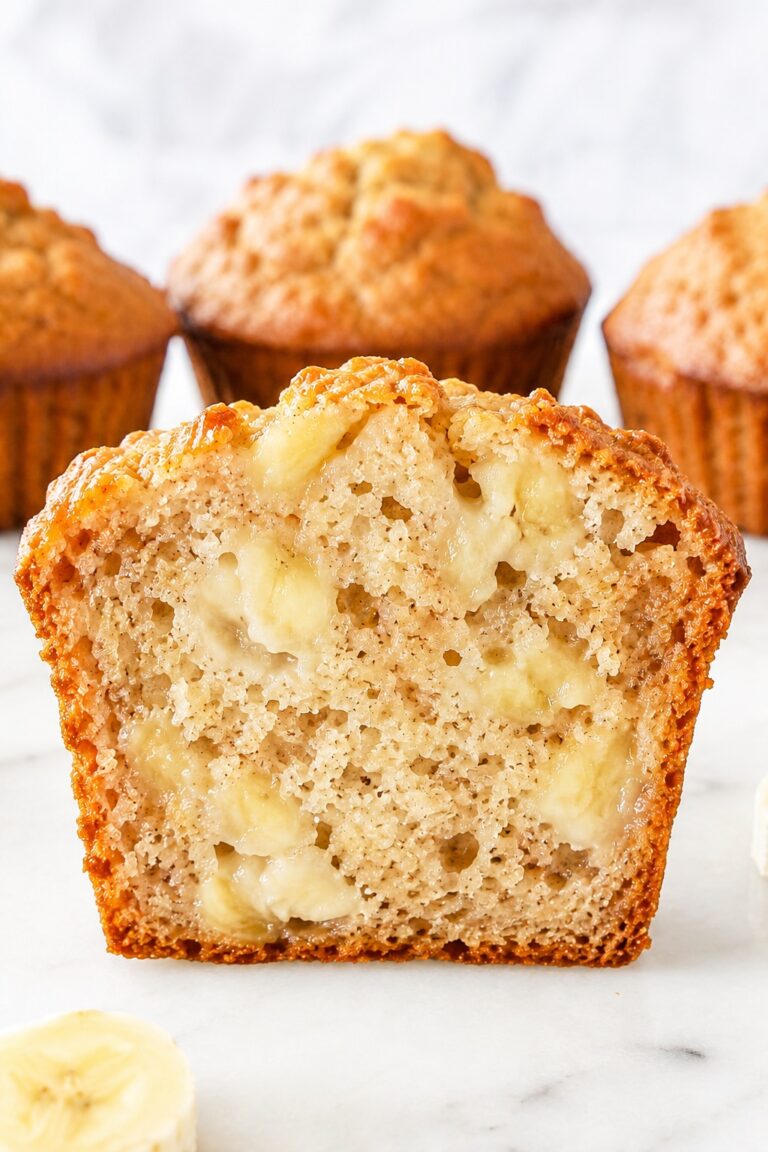
These apple muffins are hand-mixed, whole-grain muffins filled with small pieces of fresh apple and warmed with cinnamon. Maple syrup sweetens the batter, while Greek yogurt and a little oil give the crumb a tender bite beneath softly rounded, golden tops.

Apple and cinnamon feel especially at home beside a morning cup of coffee, but a gently warm muffin is just as inviting in the afternoon. The fruit stays in little pockets through the crumb, giving each bite a different balance of apple, spice and whole-grain flavor.
Weighing the prepared fruit and checking the crumb away from an apple piece make two of the trickier decisions much simpler.
Apple Muffins at a Glance
Plan on about an hour from preparation to a muffin that is ready to eat gently warm. These apple muffins need no mixer or batter rest; the cooling time below is for serving, with a longer cool-down needed before packing them away.
| Detail | What to plan for |
|---|---|
| Method | Hand-mixed batter, baked in a conventional oven |
| Active preparation | 20 minutes; allow extra time for cold ingredients to lose their chill if needed |
| Baking | 20–24 minutes at 375°F / 190°C |
| Cooling before serving | 5 minutes in the pan, then about 15 minutes on a rack |
| Total | About 1 hour 2 minutes; roughly 60–64 minutes depending on the bake |
| Yield | 12 standard muffins; one muffin per serving |
| Pan | One light-colored metal, standard 12-well muffin pan, about 1/2 cup / 120 ml per well, with lightly greased liners |
| Difficulty | Easy, with attention to ingredient temperature and gentle folding |
| Flavor | Fresh apple, cinnamon and maple sweetness |
| Texture | Tender whole-grain crumb, small apple pieces and a softly rounded top |
| Make ahead / chilling | No chilling required; measure dry ingredients ahead or freeze the baked muffins |
| Storage | Once fully cooled: up to 2 days in a cool room, 5 days refrigerated or 2 months frozen for best quality |
Why These Apple Muffins Work
These apple muffins rely on a measured amount of fruit and a batter that is mixed only as much as it needs. The aim is a crumb that holds the apple pieces comfortably while staying tender enough to pull apart.
- A controlled amount of apple. Using 180 g after peeling and coring keeps the fruit-to-batter balance consistent even when whole apples vary in size.
- Small pieces throughout. A 1/4-inch dice spreads the apple through each muffin instead of leaving a few oversized pockets.
- Yogurt and oil in the batter. Greek yogurt contributes moisture and body, while the liquid oil adds tenderness without a butter-creaming step.
- Just enough folding. Stopping when the dry flour disappears helps avoid a tough crumb while still bringing the batter together.
Why You’ll Love These Apple Muffins
A batch of these apple muffins fits just as easily on a brunch platter as it does beside the first cup of coffee.
- Soft bites of Honeycrisp. The pieces soften in the oven, so you get little pockets of apple all the way through.
- Maple and cinnamon in every bite. These apple muffins are gently sweet and smell of cinnamon when you pull one apart warm.
- A tender crumb with a little whole-grain flavor. White whole wheat adds a gently nutty note to the soft middle.
Who These Apple Muffins Are Perfect For
These apple muffins suit readers who enjoy the flavor and texture of whole-grain baking with fresh fruit. Choose them when a modest breakfast muffin sounds more appealing than a tall, heavily topped bakery treat.
- Whole-grain breakfast bakers: white whole wheat flour gives the crumb its character while cinnamon and maple complement the apple. For a batch with berries, try Healthy Blueberry Muffins made with whole wheat flour and Greek yogurt.
- Apple-and-cinnamon lovers: small fruit pieces are mixed through the batter, so the apple is part of the muffin rather than only a garnish.
- Small-batch planners: twelve separate muffins let you keep a few for the next day and freeze the rest.
The recipe contains wheat, eggs and milk. If you need a gluten-free, egg-free or dairy-free bake, start with a recipe written for that requirement rather than replacing several ingredients here.
The Science Behind a Tender Apple Muffin
The texture of apple muffins depends on how the batter rises, how much it is worked and how the fruit sits within it. These three details explain why a short mixing sequence and a careful doneness check matter.
How the Two Leaveners Work Together
Baking soda releases carbon dioxide when it meets acid, including the acid in yogurt. Double-acting baking powder supplies its own acid components, with leavening that begins after wetting and continues with heat. NC State explains the difference between baking soda and baking powder and why their roles are not interchangeable.
Use both in the listed amounts. Swapping one spoon-for-spoon for the other changes the leavening system, and leaving the mixed batter on the counter uses up time after those reactions have begun.
Why a Short Fold Protects the Crumb
Once flour meets the wet ingredients, hydration and mixing begin building the batter’s structure. The muffin needs enough mixing to remove dry pockets, but prolonged beating works against the tender crumb you want.
Use a flexible spatula to fold and scrape the bottom of the bowl. Stop when the flour has disappeared; a few small lumps are a better endpoint than chasing a perfectly smooth batter.
How Small Apple Pieces Change the Bake
In apple muffins, the fruit brings moisture into particular spots within the crumb. Keeping the pieces small distributes those spots more evenly, while weighing the fruit prevents an unusually large apple from changing the balance of the batch.
That moisture also affects how you read a toothpick. An apple fragment can leave it damp even when the surrounding crumb is set, so check the crumb itself before extending the bake.
Ingredients for Maple-Sweetened Apple Muffins
For these apple muffins, choose white whole wheat flour, pure maple syrup and plain full-fat Greek yogurt. Have the wet ingredients at room temperature and the coconut oil liquid but only just warm before you start mixing.

Ingredient List
Measure the flour gently, or use the listed weight, and weigh the apple after peeling and coring. The prepared apple weight is more dependable than buying a particular number of apples.
- 1 3/4 cups (198 g) fine-milled white whole wheat flour, spooned and leveled
- 1 1/2 level teaspoons (6 g) double-acting baking powder
- 1/4 level teaspoon (about 1.5 g) baking soda
- 1 1/2 teaspoons (about 4 g) ground cinnamon
- 1/2 teaspoon (about 3 g) fine table salt
- 2 large eggs (about 100 g without shells), at room temperature
- 1/2 cup (156 g) pure maple syrup, at room temperature
- 1/2 cup (113 g) plain full-fat Greek yogurt, stirred smooth and at room temperature
- 1/4 cup (60 ml) whole milk, at room temperature
- 1/4 cup (56 g) refined coconut oil, measured melted and kept liquid and just warm
- 1 teaspoon (5 ml) vanilla extract
- About 1 1/2 cups (180 g prepared weight) Honeycrisp apple, peeled, cored and cut into 1/4-inch (6 mm) dice
Choosing and Preparing the Apples
Honeycrisp is the apple used here. Peel and core it, cut it into 1/4-inch / 6 mm pieces, then measure out 180 g. Depending on the fruit’s size, you may need part of another apple or have some left over.
The pieces should be small enough to sit within the crumb rather than dominate a bite. Add only the measured dice; extra pieces scattered over the tops would change the fruit amount and can make the muffin centers harder to judge.
Flour, Yogurt and Maple Syrup: Keep the Balance
White whole wheat flour is whole wheat flour made from white wheat, not white all-purpose flour. For these apple muffins, check that the package specifies white whole wheat before measuring. Use fine-milled flour and spoon it into the cup without packing, then level the top.
For apple muffins with the intended batter consistency, use plain, full-fat Greek yogurt, stirred smooth before measuring. Thin drinkable yogurt and sweetened flavored yogurt bring different amounts of liquid or sugar. Pure maple syrup also supplies both sweetness and liquid; pancake syrup, honey and granulated sugar should not be treated as interchangeable measures here.
For apple muffins with a less pronounced coconut flavor, use refined coconut oil. Measure it melted, then let it become just warm rather than hot. Keep the baking powder and baking soda separate, use fine table salt rather than an unspecified kosher salt, and choose ordinary ground cinnamon rather than a spice blend.

The Tools You Need for Apple Muffins
A standard metal pan gives these apple muffins the portion size used for the timing below. Check the wells rather than relying only on the number of cups: a mini or jumbo pan needs a different amount of batter per muffin and a different bake time.
- Muffin pan and liners: one light-colored metal pan with 12 standard wells, approximately 1/2 cup / 120 ml per well, and standard liners lightly greased inside with a small amount of neutral oil; this oil is for pan preparation, not an extra batter ingredient.
- Mixing bowls and hand tools: two bowls, a whisk and a flexible spatula; if the oil forms firm flecks in the wet mixture, use a bowl of warm water underneath it for gentle warming.
- Measuring and portioning tools: a kitchen scale, US measuring cups and spoons, and a scoop to divide the actual batter evenly across the 12 wells.
- Apple-preparation tools: a peeler, knife and cutting board for peeling, coring and making the small dice.
- Baking, cooling and checking tools: a conventional oven set to 375°F / 190°C with a center rack, a cooling rack, and a toothpick or skewer for checking the crumb.
Before You Mix the Apple Muffin Batter
Set up the pan and ingredients before combining the two bowls. Apple muffins are quick to mix, and having everything ready lets you move the finished batter straight into the oven.
- Prepare the fruit: have 180 g of peeled, cored apple cut into even 1/4-inch pieces.
- Take the chill off the wet ingredients: cold eggs, yogurt, milk or maple syrup can cause melted coconut oil to firm into flecks.
- Check the oil: it should pour freely and feel just warm, not hot.
- Ready the oven and pan: fully preheat to 375°F / 190°C, set the rack in the center, and line and lightly grease all twelve wells.
What to Expect from These Whole-Grain Apple Muffins
These apple muffins have gently domed, golden tops, with a little variation across the pan. The tops are plain. For a frosted apple bake, try the Apple Cupcakes.
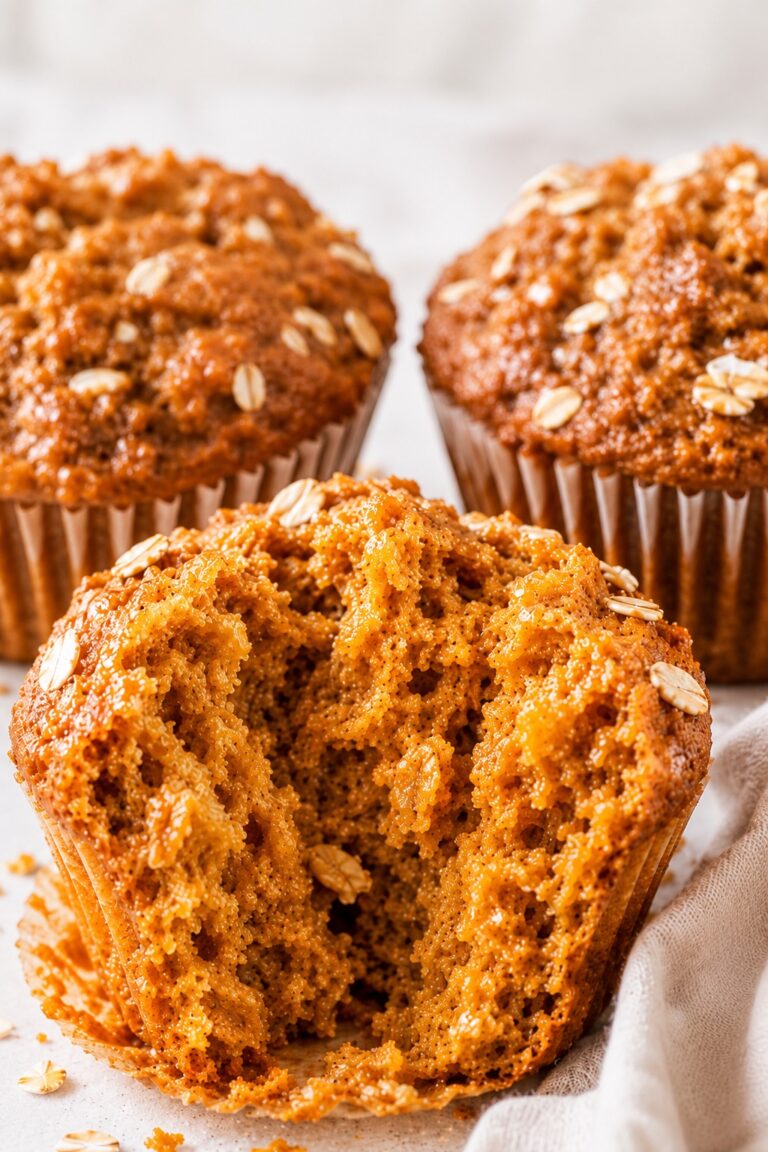
After the muffins rest, the paper should peel away cleanly. Inside, look for fine whole-grain flecks and small, soft pieces of apple. The crumb right around the fruit can feel a little moister.

How to Make Apple Muffins
Make these apple muffins by whisking the dry and wet ingredients separately, then bringing them together with a short fold. Once the apples are distributed, portion the batter and bake promptly; the final rest lets the crumb settle before serving.
1. Prepare the oven, pan and apples
Heat the conventional oven to 375°F / 190°C with a rack in the center. Line the twelve standard muffin wells and lightly grease the insides of the liners. Peel, core and dice the Honeycrisp apple into 1/4-inch / 6 mm pieces, then weigh 180 g.
Have the eggs, yogurt, milk and maple syrup at room temperature. Melt and measure the coconut oil, then let it cool to just warm while remaining liquid.
What you should see: Evenly small apple pieces without a puddle of juice, and coconut oil that pours freely without steaming.

2. Whisk the dry ingredients
Whisk the flour, baking powder, baking soda, cinnamon and salt in a mixing bowl. Break up any small lumps of leavener so they do not remain concentrated in one part of the batter.
What you should see: Uniformly cinnamon-colored flour with no isolated white clumps of baking powder or baking soda.

3. Combine the wet ingredients
In the second bowl, whisk the eggs, maple syrup, Greek yogurt, milk and vanilla until smooth. Whisk in the liquid coconut oil in a thin stream.
If the oil forms firm flecks, set the bowl over a bowl of warm water and stir gently until the mixture becomes smooth again. Do this before adding flour, and keep the warmth gentle enough that it does not cook the eggs.
What you should see: A smooth, cohesive wet mixture without solid oil pieces or separate pools of oil.

4. Fold in the flour and apples
Pour the wet mixture into the dry ingredients. Fold with a flexible spatula until only a few streaks of flour remain, scraping the bottom of the bowl as you go.

Add all 180 g of prepared apple and finish folding just until the dry flour disappears. Lift the batter from the bottom and turn it over the fruit so the pieces are distributed without beating the mixture.

What you should see: Thick, scoopable batter with small apple pieces throughout; small lumps are fine, but dry flour pockets are not.

5. Portion the batter
Divide the batter evenly between the twelve prepared wells, aiming for around three-quarters full. About 74 g per well is a useful planning guide, but dividing the actual mixed batter into twelve equal portions accounts for what remains on the bowl and spatula.
Leave room for the apple muffins to rise. If your wells are smaller and batter remains, bake the extra separately rather than filling above the rim; that will change the number of muffins. Transfer the filled pan promptly to the oven.
What you should see: The batter sits at about the same level in each well, with room to rise and no extra apple pieces on top.

6. Bake until the centers are set
Bake the apple muffins for 20–24 minutes, beginning checks at 20 minutes. The tops should be set, lightly browned and spring back under gentle pressure. Probe the crumb near the center of two muffins, avoiding a visible apple piece.
A few moist crumbs are fine. If the probe carries glossy raw batter, continue baking in 2-minute increments and check again rather than relying on color alone.
What you should see: Set crumb and resilient tops, with no glossy batter on a crumb probe.

7. Cool before serving or packing
Let the apple muffins rest in the pan for 5 minutes, then transfer them to a cooling rack for about 15 minutes before serving gently warm. Handle them carefully while the crumb is still delicate.
For storage, keep cooling beyond this serving rest until the centers are no longer warm and no steam remains. The time needed will depend on the room and how warm the muffins still are.
What you should see: Muffins that hold together when lifted and opened, with no warmth or steam trapped in a storage container.

How to Tell When Apple Muffins Are Done
Check apple muffins with more than one sign: a resilient top, set crumb near the center and no glossy batter on the probe. The outside can look ready before the middle is set, so browning alone is not the stopping point.
A damp toothpick can be misleading in an apple muffin. If it touches a piece of fruit, check the crumb in a second spot before deciding the muffin needs more time. A few moist crumbs are fine; a glossy smear of batter means it needs longer.

After the serving rest, an opened muffin should hold together around its small apple pockets. A little moisture next to the fruit is different from a sticky, paste-like band of batter. Give a very hot muffin its cooling time before judging the crumb; tearing it open straight from the oven makes the interior harder to assess.

Small Details for Better Apple Muffins
- Fill the pan in two passes. Give every liner a little less than a full scoop first. Then use the batter left in the bowl to bring the low cups up to the others. It’s easier to top up the last few than to borrow batter from liners you’ve already filled.
- Notice where the tops brown first. If the same row of apple muffins keeps browning ahead of the others, your oven may have a hot spot. For the next batch, turn the pan front to back once, halfway through baking.
- Give a stubborn liner a second way off. If pulling it down from the rim starts tearing the muffin, set the muffin back on the rack. Once it’s fully cool, slide a butter knife between the paper and the spot where it’s sticking. Support the muffin with your other hand as you peel.
Apple Muffin Problems and How to Fix Them
If your apple muffins are giving you trouble, start with what you see in the bowl, on the toothpick or after cooling.
Firm oil flecks in the wet mixture
What to do now: Cold ingredients can firm up the coconut oil. Before adding flour, set the bowl over warm water and stir until the flecks disappear. Use gentle warmth so the eggs stay uncooked.
Next time: Bring the eggs, yogurt, milk and maple syrup to room temperature, and add the oil while it’s liquid and just warm.
Dry flour pockets in the batter
What to do now: Slide the spatula under the batter, where dry flour tends to collect. Fold only until those pockets disappear. Small soft lumps can stay.
Next time: Scrape along the bottom and sides as you fold, so you can stop without extra stirring.
Glossy batter on the toothpick
What to do now: Test again away from the fruit. If you still see glossy batter, give the apple muffins 2 more minutes and check again.
Next time: Use the specified pan and check two centers near the end of baking, even when the tops already look golden.
Dense or tough crumb after cooling
What to do now: Let the apple muffins cool. If they’re dense throughout, check how you measured the flour and fruit and how long you folded.
Next time: Weigh the flour and peeled, cored apple. Stop folding as soon as the last dry streak disappears.
Damp tops after packing
What to do now: Open the container and put the muffins back on the rack so the trapped moisture can escape.
Next time: Wait until the centers are no longer warm before sealing the container.
Muffins sticking to the liners
What to do now: Give a very warm muffin a little longer on the rack. Once the crumb has settled, peel the paper down slowly from the rim.
Next time: Lightly grease the insides of the liners and let the muffins finish their serving rest before unwrapping.
Beautiful Ways to Serve Apple Muffins
These apple muffins smell most of cinnamon when served gently warm. For a brunch platter, let them cool so the liners peel away easily.
Gently Warm with Your Morning Coffee
After 5 minutes in the pan and about 15 on the rack, the apple muffins are ready for coffee. Peel back the liner at the table and split one while the center is still warm.

Split with a Little Apple Butter
Split a warm muffin and spoon a little Apple Butter onto one half. It settles into the crumb and deepens the apple flavor. The nutrition estimate covers the muffin on its own.

A Simple Plate for Brunch
Set the cooled apple muffins in a single layer. Split one or two to show the fruit and leave the rest whole so the cut sides stay soft as the platter sits.
How to Store, Freeze and Rewarm Apple Muffins
Store apple muffins only after they have cooled completely. Use a covered container for the near term and wrap portions for the freezer when you want to keep them longer; the windows below are intended to preserve quality.
Cool Completely Before Packing
Before packing apple muffins, check that the centers no longer feel warm. If you see steam or moisture forming inside the container, let them finish cooling on the rack. A muffin ready to eat warm is not necessarily ready to pack.

Choose the Fridge or Freezer for Longer Storage
Choose a storage method according to when you plan to eat the batch and how warm your kitchen is. Freeze apple muffins earlier in hot or humid conditions rather than using the full room-temperature window.
| Storage | How to pack | Quality window |
|---|---|---|
| Cool room | Fully cooled, in a covered container | Up to 2 days |
| Refrigerator | Covered; let an individual muffin lose its chill before serving | Up to 5 days |
| Freezer | Wrap cooled muffins individually, then place in a freezer bag at 0°F / −18°C or colder | Up to 2 months for best quality |
Thaw, Rewarm and Plan Ahead
To thaw apple muffins, leave them wrapped at room temperature, allowing roughly an hour as a guide. Check that the center has thawed rather than depending on the clock alone. Unwrap it before warming, then use short microwave increments and stop when it is gently warm.
For a little preparation ahead of baking day, measure the dry ingredients in advance. Once wet and dry meet, bake promptly rather than keeping the batter overnight; freezing the baked apple muffins is the more useful way to get a future batch ready.
Apple Muffin Questions, Answered
What are the best apples for apple muffins?
Use Honeycrisp for this batch. Weigh out 180 g after peeling and coring, since the amount you get from one apple depends on its size.
Do I need to peel the apples?
Yes. Peel before dicing so the little pieces soften evenly in the crumb and you don’t get strips of skin in an otherwise tender bite.
Why are my apple muffins dense or gummy?
A dense crumb throughout points to the flour, fruit amount or mixing. If only the middle is sticky, check a second spot away from the fruit. A damp apple piece is fine. Glossy batter on the second check means the muffins need more time.
Can I use all-purpose or self-rising flour?
Neither is a direct swap for the white whole wheat flour in these apple muffins. All-purpose changes the flour base, and self-rising also adds leavening and usually salt. If either is all you have, use a recipe that calls for it.
Can I use a different kind of yogurt?
Stick with plain full-fat Greek yogurt for this batter. A thin yogurt changes how the batter scoops, while a sweetened yogurt also changes the sweetness you’re getting from the maple syrup.
Can I freeze apple muffins?
Yes. Wrap the cooled apple muffins individually and freeze for up to 2 months for best quality. Thaw as many as you need at room temperature, still wrapped.
Your Next Baking Journey After Apple Muffins
If these apple muffins sent you back to the fruit bowl, try apples in a different form. For another muffin batch, pick a new fruit or a streusel top.
More Ways to Bake with Apples
- Apple Cake gives you a soft, sliceable bake with a thin cinnamon-sugar top.
- Apple Pancakes are for a griddle breakfast you can serve as each batch comes off the pan.
- Apple Brownies bake into soft brown-sugar bars that are easy to pack once cool.
- Baked Apples keep the fruit whole, with a cinnamon-oat filling and warm syrup to spoon over the top.
- Apple Crisp is a warm dessert to spoon into bowls, with cinnamon apples under a buttery oat crumble.
Your Next Batch of Muffins
- Banana Muffins put very ripe bananas to work in a soft batch ready in about 30 minutes.
- Pumpkin Muffins use pumpkin purée for an even, warmly spiced crumb.
- Lemon Blueberry Muffins give you juicy berries under a crisp lemon streusel.
- Cranberry Orange Muffins pair tart berries with orange zest and buttery streusel.
A Little More Weekend Baking
- Apple Pie Cookies are little pastry rounds with cooked apples and a lattice to shape by hand.
- Apple Crumble Pie has a buttery crumb top. Use a refrigerated crust to save prep and let the filling cool before slicing.
- Homemade Cinnamon Rolls give you soft yeast dough and cinnamon spirals, with an overnight option to split the work.
- Pumpkin Bread is the simplest option here. Bake a warmly spiced loaf in one pan, then slice it for breakfast.
Why These Apple Muffins Belong in Your Recipe Box
A batch of apple muffins can cover brunch and leave you breakfast for another day. For brunch with four people, set out six, tuck two into a bag for a guest, and freeze four for another morning. On a week with no one coming over, keep what you’ll eat over the next two mornings and freeze the rest in the portions you’d reach for.
If you print the card, jot your split beside the yield. The next time you bake for the same table, you’ll know how many to set out.
A Simple Apple Bake to Come Back To
When there’s one muffin left on the plate, break it in two right in the paper and give someone the half with the bigger piece of apple. Keep the other half and the soft crumbs caught in the folds.

Apple Muffins
These apple muffins combine small pieces of Honeycrisp apple, cinnamon and maple syrup in a tender white whole wheat crumb. Greek yogurt and refined coconut oil keep the batter moist, and the muffins mix by hand in two bowls.
Ingredients
- 1 3/4 cups (198 g) fine-milled white whole wheat flour, spooned and leveled
- 1 1/2 level teaspoons (6 g) double-acting baking powder
- 1/4 level teaspoon (about 1.5 g) baking soda
- 1 1/2 teaspoons (about 4 g) ground cinnamon
- 1/2 teaspoon (about 3 g) fine table salt
- 2 large eggs (about 100 g without shells), at room temperature
- 1/2 cup (156 g) pure maple syrup, at room temperature
- 1/2 cup (113 g) plain full-fat Greek yogurt, stirred smooth and at room temperature
- 1/4 cup (60 ml) whole milk, at room temperature
- 1/4 cup (56 g) refined coconut oil, measured melted and kept liquid and just warm
- 1 teaspoon (5 ml) vanilla extract
- About 1 1/2 cups (180 g prepared weight) Honeycrisp apple, peeled, cored and cut into 1/4-inch (6 mm) dice
Instructions
- Prepare the oven, pan and apples. Heat a conventional oven to 375°F / 190°C with a rack in the center. Use a light-colored metal muffin pan with 12 standard wells, approximately 120 ml each. Add standard paper liners and lightly grease their insides with a small amount of neutral oil. Peel, core and dice the apple into 1/4-inch / 6 mm pieces, then weigh 180 g. Prepare the wet ingredients at room temperature before combining. The apple pieces should be evenly diced, with no juice pooling in the bowl. The coconut oil should pour easily and feel just warm.
- Whisk the dry ingredients. Whisk flour, baking powder, baking soda, cinnamon and salt thoroughly, breaking up leavener lumps. Keep whisking until the flour is evenly cinnamon-colored and there are no white clumps of baking powder or baking soda.
- Combine the wet ingredients. Whisk eggs with maple syrup, Greek yogurt, milk and vanilla until smooth. Whisk in the liquid coconut oil in a thin stream. If the oil forms firm flecks, gently warm this wet mixture over a bowl of warm water and stir until smooth before adding flour; do not heat it enough to cook the eggs. The mixture should look smooth, with no solid bits or pools of oil.
- Fold in the flour and apples. Pour wet ingredients into dry. Fold with a spatula until only a few flour streaks remain. Add all 180 g apple and finish folding just until dry flour disappears. Scrape the bottom of the bowl. Do not beat until perfectly smooth or let the finished batter stand for an extended rest. The batter should be thick and scoopable, with apple pieces throughout. A few small lumps are fine.
- Portion the batter. Divide the batter evenly among the 12 prepared wells. In the specified pan, fill each well to about three-quarters full, using about 74 g per well as a guide. Leave the tops plain and put the pan straight into the oven.
- Bake until the centers are set. Bake 20–24 minutes, beginning checks at 20 minutes. Look for set, lightly browned tops that spring back under gentle pressure. Insert a toothpick near the center of two muffins, away from any visible apple pieces. A few moist crumbs are acceptable; glossy raw batter is not. If batter remains, continue in 2-minute increments and recheck. If the toothpick catches a piece of apple, check another spot in the crumb.
- Cool before serving or packing. Rest the muffins in the pan for 5 minutes, then move them to a wire rack for about 15 minutes before serving gently warm. For storage, continue cooling until the centers are no longer warm and no steam remains, usually longer than the serving rest. The crumb should hold together when you split a muffin. If you see condensation in the container, return the muffins to the rack to finish cooling.
Notes
- Flour and apples: Use fine-milled white whole wheat flour, which is whole-grain flour milled from white wheat, not all-purpose flour. Spoon and level if measuring by cups. Weigh the Honeycrisp apple after peeling and coring, then cut it into small 1/4-inch (6 mm) pieces. Do not add extra fruit.
- Wet ingredients: Use plain full-fat Greek yogurt and pure maple syrup. Bring the eggs, syrup, yogurt and milk to room temperature. Measure the refined coconut oil melted and keep it liquid and just warm so it blends smoothly.
- Pan and portions: Use a light-colored metal pan with 12 standard wells, approximately 120 ml each, and lightly grease the inside of the liners with a small amount of neutral oil. Divide the actual batter evenly; about 74 g per well is a guide, not a fixed requirement. If your wells are smaller, bake surplus batter separately rather than overfilling; the yield will change.
- Timing: The 62-minute total includes 20 minutes of preparation, about 22 minutes in the oven and 20 minutes of cooling for serving. Baking takes 20–24 minutes, so the practical total is about 60–64 minutes. Bringing cold ingredients to room temperature and cooling fully for storage can take longer.
- Storage and freezing: Cool completely, with no warm centers or steam, before covering. Keep covered for up to 2 days in a cool room or refrigerate for up to 5 days. In a hot or humid kitchen, freeze earlier. For longer storage, wrap muffins individually, seal in a freezer bag and freeze at 0°F (-18°C) for up to 2 months for best quality. That freezer window is a quality guideline, not a safety expiration date.
- Thawing and make-ahead: Thaw wrapped muffins at room temperature until soft throughout, roughly 1 hour depending on room temperature. Unwrap before reheating in short microwave increments. Measure dry ingredients ahead if helpful, but bake mixed batter promptly rather than refrigerating it overnight.
- Nutrition basis: The estimate is for one of 12 muffins. It excludes the small amount of oil used to grease the liners and any optional spread or serving accompaniment.
Nutrition Information:
Yield: 12 Serving Size: 1 muffinAmount Per Serving: Calories: 168Total Fat: 6.1gSaturated Fat: 4.4gCholesterol: 33mgSodium: 189mgCarbohydrates: 24.1gFiber: 2.1gSugar: 10.1gProtein: 3.9g
Nutrition information is provided as an estimate only and may vary based on specific ingredients, brands, and portion sizes used. This information should not be considered medical or nutritional advice.